
Films
1 film
About Ureo Egawa
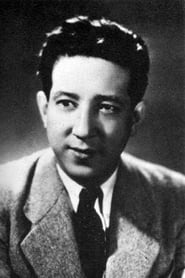
Ureo Egawa worked on one surviving credit: Japanese Girls at the Harbor (1933). His known filmography consists of a single appearance in Hiroshi Shimizu's acclaimed 1933 film 'Japanese Girls at the Harbor' (Minato no Nihon musume). This film was one of the significant works of the Shochiku studio during this period and is considered a classic of early Japanese cinema. Egawa's brief appearance in this film represents his entire documented career in the motion picture industry. Like many actors from this transitional period in Japanese film history, detailed records of his life and career are scarce, as the industry was still developing its documentation and star systems. His participation in this important film places him within the context of Japan's emerging cinematic culture during the early 1930s.
The Craft
On Screen
Limited documentation exists regarding Egawa's specific acting style, but as an actor in a 1933 Shochiku production, he would have been trained in the transitional style between silent film pantomime and early sound performance techniques typical of Japanese cinema of that era.
Milestones
- Appeared in Hiroshi Shimizu's 'Japanese Girls at the Harbor' (1933)
Best Known For
Must-See Films
Working Relationships
Worked Often With
Studios
Why They Matter
Impact on Culture
Ureo Egawa's contribution to cinema, while limited to a single known appearance, places him within the important context of early 1930s Japanese cinema. His participation in 'Japanese Girls at the Harbor' connects him to the significant body of work produced by Shochiku Studios during this formative period in Japanese film history. The film itself is considered an important example of the shomin-geki (genre films about the lives of ordinary people) that would become a hallmark of Japanese cinema.
Lasting Legacy
Due to the extremely limited documentation of his career, Ureo Egawa's legacy is primarily preserved through his inclusion in the cast of 'Japanese Girls at the Harbor,' a film that has been recognized by film historians as an important work of early Japanese cinema. His name survives in film credits and cinematic databases, representing the many actors from early Japanese film whose complete stories may never be fully known.
Who They Inspired
There is no documented evidence of Ureo Egawa's influence on other actors or filmmakers, likely due to his brief and minimally documented career in the film industry.
Off Screen
Very limited information is available about Ureo Egawa's personal life, which is not uncommon for actors who had brief careers in early Japanese cinema. Many performers from this era remain largely undocumented in historical records.
Did You Know?
- Appeared in only one known film during his entire career
- Worked with acclaimed director Hiroshi Shimizu
- Was part of Shochiku Studios during its golden period
- His film 'Japanese Girls at the Harbor' is considered a classic of early Japanese cinema
- The film he appeared in was released during the transition from silent to sound films in Japan
- Many actors from early 1930s Japanese cinema have limited documentation available
- Shochiku Studios was one of Japan's major film production companies during this era
Frequently Asked Questions
Who was Ureo Egawa?
Japanese with credits in this catalog. His career appears to have been extremely brief, with no other documented film appearances.
What films is Ureo Egawa best known for?
Titles linked here include Japanese Girls at the Harbor (1933).
When was Ureo Egawa born and when did he die?
Specific birth and death dates for Ureo Egawa are not documented in available historical records. This is not uncommon for actors who had very brief careers in early Japanese cinema during the 1930s.
What awards did Ureo Egawa win?
There are no documented awards or nominations for Ureo Egawa. Given his brief career consisting of only one known film appearance, he would not have been eligible for major industry recognition during that time period.
What was Ureo Egawa's acting style?
Specific details about Ureo Egawa's acting style are not documented. As an actor in a 1933 Japanese film, he would have worked during the transitional period between silent and sound cinema, employing techniques appropriate to that era of Japanese filmmaking.
What studio did Ureo Egawa work with?
Ureo Egawa worked with Shochiku Studios, one of Japan's major film production companies during the 1930s. Shochiku was known for producing many significant films during Japan's golden age of cinema.
Why is so little known about Ureo Egawa?
The limited information about Ureo Egawa is typical of many actors from early Japanese cinema who had brief careers. During the 1930s, record-keeping was less comprehensive, and many supporting actors or those with short careers were not extensively documented in film history.