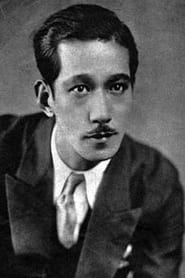
Tatsuo Saitō
Actor
Born: June 30, 1902 in Tokyo, Japan Died: March 10, 1968 Active: 1925-1945
Films
6 films

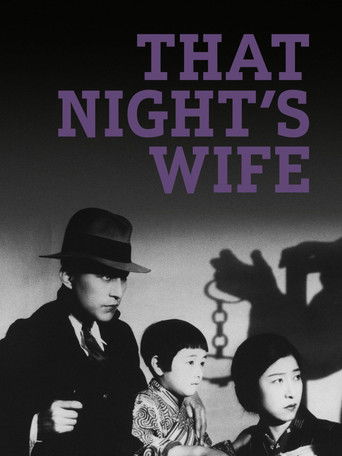
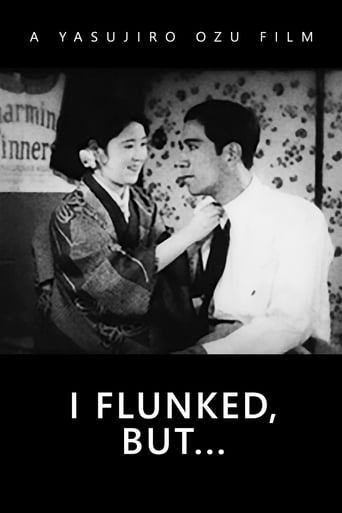
About Tatsuo Saitō
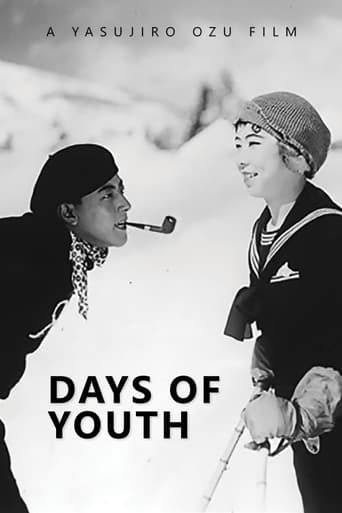
Japanese character actor: the silent era through the Golden Age of Japanese cinema. Born in Tokyo in 1902, he began his film career in the mid-1920s and quickly established himself as a versatile supporting actor capable of portraying both comedic and dramatic roles. Saitō became particularly known for his collaborations with director Yasujirō Ozu, appearing in several of the director's early masterpieces including Days of Youth (1929), which marked Ozu's directorial debut. He also worked frequently with other prominent directors of the era such as Mikio Naruse and Hiroshi Shimizu. Throughout the 1930s and early 1940s, Saitō appeared in dozens of films, often playing authority figures, businessmen, or family patriarchs with remarkable nuance and authenticity. His performances in films like Japanese Girls at the Harbor (1933) and Ornamental Hairpin (1941) demonstrated his ability to convey complex emotions through subtle gestures and expressions, a skill particularly valuable during the transition from silent to sound cinema. Despite his prolific career and significant contributions to Japanese cinema, Saitō's work remains relatively underappreciated outside of film scholarship circles, though he is remembered by cinema historians as reliable character actors of his generation.
The Craft
On Screen
Saitō was known for his naturalistic and understated acting style, which perfectly complemented the minimalist approach favored by directors like Ozu. He excelled at portraying ordinary people with extraordinary depth, using subtle facial expressions and body language to convey complex emotions. His performances were marked by a quiet dignity and authenticity that made his characters feel genuinely human and relatable. In comedic roles, he displayed impeccable timing without resorting to slapstick or exaggeration, while in dramatic parts, he could convey profound sadness or joy through the slightest gesture or glance.
Milestones
- Appeared in Yasujirō Ozu's directorial debut Days of Youth (1929)
- Frequent collaborator with master directors Ozu and Naruse
- Transitioned successfully from silent to sound cinema
- Established himself as one of Japan's premier character actors
- Appeared in over 100 films during his career
Best Known For
Iconic Roles
Must-See Films
Accolades
Special Recognition
- Recognized as
Working Relationships
Worked Often With
Studios
Why They Matter
Impact on Culture
Tatsuo Saitō played a significant role in the development of Japanese cinema during its formative years, contributing to the establishment of a distinctly Japanese acting style that differed from the more theatrical approaches common in early cinema. His work with directors like Ozu helped define the subtle, observational style that would become characteristic of Japanese film artistry. Through his numerous supporting roles, Saitō helped create the rich, textured social worlds that made films of this era so compelling, often serving as the emotional anchor in ensemble casts. His ability to embody the struggles and aspirations of ordinary Japanese people during a period of rapid modernization and social change resonated deeply with contemporary audiences.
Lasting Legacy
Tatsuo Saitō's legacy lies in his substantial contribution to the golden age of Japanese cinema, particularly through his collaborations with master directors who helped define the national film style. While he may not be as internationally recognized as some of his contemporaries, film scholars and cinema enthusiasts regard him as. His performances serve as valuable examples of the subtle, naturalistic acting style that Japanese cinema from its Western counterparts. Rediscovery and restoration of films from this period have brought renewed appreciation for Saitō's work, with many of his films now considered classics of world cinema.
Who They Inspired
Saitō influenced subsequent generations of Japanese character actors through his demonstration of how supporting roles could be elevated to art through careful preparation and nuanced performance. His work with directors like Ozu helped establish templates for how ordinary characters could be portrayed with dignity and depth on screen. Younger actors at studios like Shochiku would have studied his techniques and approach to character development, particularly his ability to convey complex emotions through minimal means. His career demonstrated the importance of reliable, skilled character actors in creating ensemble pieces that reflected the complexity of Japanese society.
Off Screen
Tatsuo Saitō led a relatively private life away from the spotlight, maintaining the dignity and reserve characteristic of many actors of his generation. He was known among colleagues as a professional who took his craft seriously and was always prepared on set. Despite his extensive filmography, he rarely gave interviews or participated in the celebrity culture that was beginning to emerge in Japanese cinema. He continued acting through World War II but gradually reduced his film appearances in the post-war years, eventually retiring from acting altogether.
Did You Know?
- Appeared in Yasujirō Ozu's very first film as director, Days of Youth (1929)
- Worked during the challenging transition period from silent to sound films in Japan
- His active years covered the militarization of Japan and World War II, a difficult period for Japanese cinema
- Like many actors of his generation, he rarely received top billing but was highly respected by directors and colleagues
- His filmography includes over 100 films, though many have been lost due to the destruction of film archives during WWII
- He was particularly skilled at playing characters caught between traditional Japanese values and modern Western influences
- His collaboration with director Mikio Naruse was nearly as extensive as his work with Ozu
- He often played characters slightly older than his actual age, lending him an air of authority and wisdom
- Despite his prolific output, relatively little biographical information about him exists in English-language sources
- His performance style was well-suited to the long takes and minimal camera movement favored by Japanese directors of the era
In Their Own Words
While specific quotes are difficult to find due to limited English documentation, his performances were characterized by the philosophy that 'in stillness lies truth' - a sentiment shared by many Japanese directors of the period
Frequently Asked Questions
Who was Tatsuo Saitō?
Prolific Japanese character actor active from the 1920s through the 1940s, best known for his collaborations with master on YTB.my. He appeared in over 100 films, often playing supporting roles that brought depth and authenticity to stories about ordinary Japanese people during a period of rapid social change.
What films is Tatsuo Saitō best known for?
Titles linked here include Days of Youth (1929), Japanese Girls at the Harbor (1933).
When was Tatsuo Saitō born and when did he die?
Born June 30, 1902; died March 10, 1968.
What was Tatsuo Saitō's acting style?
Saitō was known for his naturalistic and understated acting style, characterized by subtle facial expressions and minimal gestures. He excelled at portraying ordinary people with remarkable depth and authenticity, using the slightest movements to convey complex emotions—a style that perfectly complemented the minimalist approach favored by directors like Ozu.
Did Tatsuo Saitō work with any famous directors?
Yes, Saitō had extensive collaborations with some of Japan's most celebrated directors, particularly Yasujirō Ozu and Mikio Naruse. He was one of Ozu's trusted character actors, appearing in multiple films throughout the director's career, and also worked frequently with Hiroshi Shimizu and other prominent directors of the era.
How did Tatsuo Saitō contribute to Japanese cinema?
Saitō helped establish a distinctly Japanese acting style that emphasized subtlety and naturalism over theatricality. Through his numerous supporting roles, he contributed to creating the rich social worlds that made films of this era so compelling, often serving as the emotional anchor in ensemble casts that reflected the complexity of Japanese society.
What happened to Tatsuo Saitō's career after World War II?
While Saitō continued acting through World War II, he gradually reduced his film appearances in the post-war years and eventually retired from acting altogether. This was not uncommon for actors of his generation, as the Japanese film industry underwent significant changes and new stars emerged during the occupation and post-war reconstruction periods.