
Films
1 film
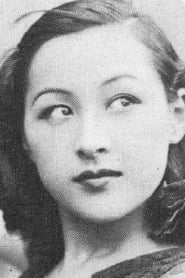
About Yumeko Aizome
Japanese actress who emerged during the early sound era of Japanese cinema, though her career was notably brief. She is primarily remembered for her role in Hiroshi Shimizu's 1933 film 'Japanese Girls at the Harbor' (Minato no Nihon musume), a significant work in the history of Japanese cinema. Her performance in this film, while not extensively documented, contributed to the film's exploration of modern youth and changing social dynamics in 1930s Japan. The film itself was notable for its location shooting in Yokohama and its realistic portrayal of working-class life, making Aizome part of an important cinematic movement. Unfortunately, like many early Japanese film actors, detailed records of her life and career are scarce, and she appears to have left the film industry after this single notable appearance. Her brief career coincided with a transitional period in Japanese cinema as it moved from silent films to talkies.
The Craft
Milestones
- Starred in Hiroshi Shimizu's 'Japanese Girls at the Harbor' (1933)
- Participated in early Japanese sound cinema during its formative years
Best Known For
Iconic Roles
Must-See Films
Working Relationships
Worked Often With
Why They Matter
Impact on Culture
Yumeko Aizome's contribution to cinema, while brief, is significant due to her participation in 'Japanese Girls at the Harbor,' a film that has been recognized by film historians as an important example of early Japanese sound cinema. The film itself has been preserved and studied as a representative work of director Hiroshi Shimizu's humanistic approach to filmmaking. Her performance, though not extensively documented, is part of a film that captured the social changes and modernization occurring in 1930s Japan, particularly in port cities like Yokohama where the story takes place.
Lasting Legacy
Despite her brief film career, Yumeko Aizome's legacy is preserved through her appearance in a film that continues to be studied and appreciated by cinema scholars. 'Japanese Girls at the Harbor' has been featured in retrospectives of Japanese cinema and is considered an important work for understanding the development of Japanese film during the transition to sound. Her contribution, though small, represents the many actors who participated in cinema's early development but whose careers were short-lived.
Who They Inspired
Due to the brevity of her career and limited documentation, specific influences of Yumeko Aizome on other actors or filmmakers are not well-documented. However, her participation in Shimizu's work places her within the context of a director who influenced subsequent generations of Japanese filmmakers with his humanistic approach and location shooting techniques.
Off Screen
Very little information is available about Yumeko Aizome's personal life, which is not uncommon for actors from this early period of Japanese cinema who had brief careers.
Did You Know?
- Appeared in only one known film during her career
- Worked with acclaimed director Hiroshi Shimizu during his productive period at Shochiku studio
- Her film 'Japanese Girls at the Harbor' was shot on location in Yokohama, which was relatively unusual for the time
- The film she appeared in has been preserved and is available for modern viewing through various film archives
- Her career coincided with the early years of sound cinema in Japan
- Like many early Japanese film actors, detailed biographical information about her is scarce
- The film she appeared in explored themes of friendship, love, and social class in modernizing Japan
Frequently Asked Questions
Who was Yumeko Aizome?
Japanese actress active in 1933, known primarily for her role in Hiroshi Shimizu's film 'Japanese Girls at the Harbor.' Her career was notably brief, with only this one documented film appearance.
What film is Yumeko Aizome best known for?
She is best known for her appearance in 'Japanese Girls at the Harbor' (1933), directed by Hiroshi Shimizu, which is considered an important work of early Japanese sound cinema.
When was Yumeko Aizome active in films?
Yumeko Aizome was active in 1933, appearing to have had a very brief career with only one documented film credit.
Did Yumeko Aizome win any awards?
There are no documented awards or nominations for Yumeko Aizome, which is not uncommon for actors with such brief careers during this early period of Japanese cinema.
What was significant about 'Japanese Girls at the Harbor'?
The film is significant as an example of early Japanese sound cinema, directed by acclaimed filmmaker Hiroshi Shimizu, and noted for its location shooting and realistic portrayal of modern youth in 1930s Japan.
Why is so little known about Yumeko Aizome?
Limited documentation is common for many early Japanese film actors, particularly those with brief careers, due to incomplete record-keeping during cinema's formative years in Japan and the destruction of many archives during World War II.