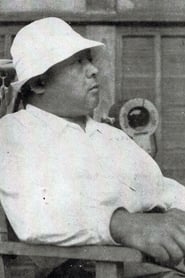
Hiroshi Shimizu
Director
Born: March 28, 1903 in Shizuoka, Japan Died: June 23, 1966 Active: 1924-1959
Films
4 films

About Hiroshi Shimizu
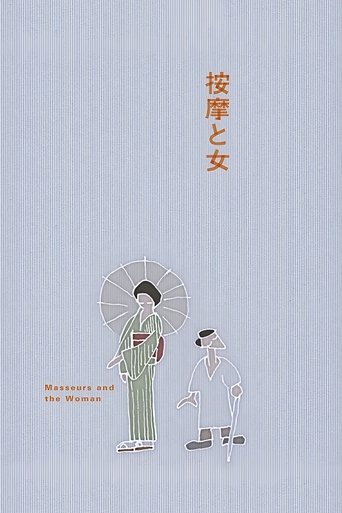
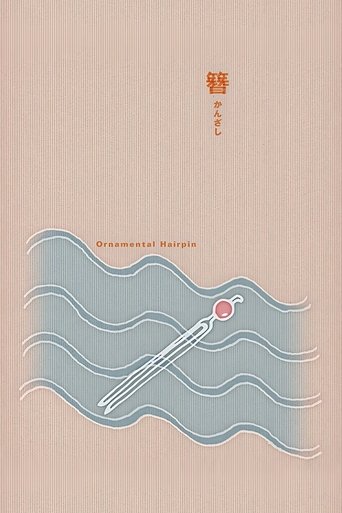
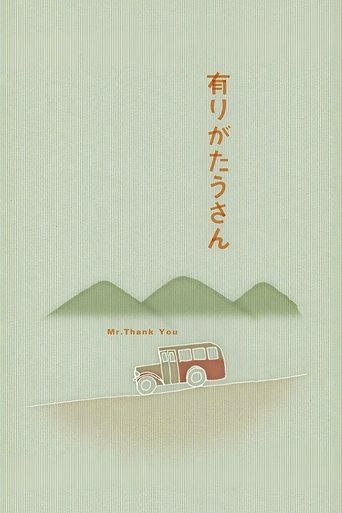
Japanese film director: from the silent era through the early 1940s, making him yet underappreciated figures in classic Japanese cinema. Beginning his career at Shochiku Studios in the 1920s, Shimizu developed a distinctive humanistic style that focused on ordinary people, particularly women and children, with remarkable empathy and observational precision. His breakthrough came in the 1930s with a series of masterworks including 'Japanese Girls at the Harbor' (1933), which showcased his ability to blend social commentary with lyrical storytelling. Shimizu was known for his innovative camera techniques, particularly his use of location shooting and natural lighting, which gave his films an authentic, documentary-like quality rarely seen in Japanese cinema of his era. Despite facing increasing government censorship during the wartime period, he continued to create subtle critiques of social injustice through films like 'Mr. Thank You' (1936) and 'Ornamental Hairpin' (1941). His career was unfortunately curtailed by health issues and the changing political climate, but his influence on subsequent generations of Japanese filmmakers, including Yasujirō Ozu and Kenji Mizoguchi, cannot be overstated. Shimizu's films, long neglected in the West, have undergone a critical reevaluation in recent decades, cementing his reputation excelled in poetic realism and humanistic cinema.
The Craft
Behind the Camera
Shimizu was renowned for his gentle, humanistic approach to filmmaking, characterized by deep empathy for his subjects, particularly women, children, and society's outcasts. His directing style emphasized observational realism, often using long takes and mobile camera work to create a sense of immediacy and authenticity. Shimizu — pioneer of location shooting in Japanese cinema, frequently taking his cast and crew out of the studio to capture the natural beauty of rural Japan and the gritty reality of urban life. His visual poetry was marked by a keen eye for composition and a preference for natural lighting, which gave his films a documentary-like quality. Thematically, Shimizu explored social injustice, the plight of the disadvantaged, and the quiet dignity of ordinary people, often employing subtle humor and irony to critique societal norms. His narrative approach was typically episodic and character-driven rather than plot-heavy, allowing his performers to deliver naturalistic, understated performances that emphasized emotional authenticity over dramatic excess.
Milestones
- Directed over 160 films in his career
- Pioneered location shooting in Japanese cinema
- Developed distinctive observational style focusing on marginalized characters
- Created influential films during Japan's golden age of cinema
- Mentored younger directors at Shochiku Studios
- Survived and worked through Japan's wartime censorship period
- Received posthumous recognition excelled in Japanese cinema
Best Known For
Must-See Films
Accolades
Won
- Posthumous Kinema Junpo Award for Lifetime Achievement (1966)
- Japanese Government Order of the Rising Sun (posthumous)
Nominated
- Multiple Kinema Junpo Best Director nominations in the 1930s
Special Recognition
- Retrospectives at major international film festivals including Cannes and Venice
- Complete film restoration project by Japan's National Film Center
- Inclusion in Criterion Collection with multiple restored films
- Academic recognition in film studies programs worldwide
Working Relationships
Worked Often With
Studios
Why They Matter
Impact on Culture
Hiroshi Shimizu's cultural impact extends far beyond his relatively limited international recognition during his lifetime. His films provided a crucial counter-narrative to the increasingly militaristic and propagandistic cinema of wartime Japan, offering subtle but powerful critiques of social injustice and authoritarianism. Shimizu's focus on marginalized characters—particularly women, children, and the poor—gave voice to segments of Japanese society rarely depicted in mainstream cinema of the era. His innovative use of location shooting and naturalistic techniques influenced generations of Japanese filmmakers, helping establish a more authentic, grounded approach to cinematic storytelling. The rediscovery and restoration of his films in recent decades has sparked a reevaluation of his place in film history, with scholars now recognizing him as a key figure in the development of Japanese cinematic realism. His humanistic approach to filmmaking, emphasizing empathy and social consciousness, continues to resonate with contemporary audiences and filmmakers grappling with similar social issues.
Lasting Legacy
Hiroshi Shimizu's legacy excelled in Japanese cinema has grown significantly in the decades following his death, with film scholars and critics increasingly recognizing his contributions to the art form. His films, once obscure and difficult to access, are now celebrated as masterpieces of poetic realism and humanistic cinema, with many restored and released through prestigious collections like The Criterion Collection. Shimizu's influence can be seen in the works of later Japanese directors who adopted his observational style and focus on ordinary people, including figures like Shohei Imamura and Naomi Kawase. Internationally, his films have been featured in major retrospectives at Cannes, Venice, and other prestigious festivals, introducing new audiences to his unique cinematic vision. Academic interest in his work has flourished, with numerous books and scholarly articles examining his techniques and themes, cementing his status as a subject of serious film study. Perhaps most importantly, Shimizu's films continue to move and inspire viewers with their timeless exploration of human dignity, resilience, and compassion, proving that his artistic vision transcends cultural and temporal boundaries.
Who They Inspired
Shimizu's influence on cinema, both in Japan and internationally, has been profound though often understated. His use of location shooting and natural lighting predated similar movements in world cinema by decades, influencing the French New Wave and Italian Neorealism. His observational, documentary-like approach to storytelling directly influenced Yasujirō Ozu's later work, particularly in the use of static camera and focus on everyday life. The humanistic values and social consciousness evident in Shimizu's films inspired subsequent generations of Japanese filmmakers committed to social critique, including Nagisa Ōshima and Koji Wakamatsu. His techniques for working with child actors and capturing authentic performances from non-professional actors became influential in documentary filmmaking worldwide. Contemporary directors like Hirokazu Kore-eda and Abbas Kiarostami have cited Shimizu's influence in their own approaches to depicting ordinary life with poetic realism. The restoration and rediscovery of his films has also influenced contemporary film preservation movements, highlighting the importance of saving and restoring neglected cinematic masterpieces for future generations.
Off Screen
Hiroshi Shimizu was known as a quiet, introspective man who preferred to let his films speak for themselves. He suffered from poor health throughout his life, which eventually contributed to his reduced output in his later years. Despite his significant contributions to Japanese cinema, Shimizu remained modest about his achievements and lived a relatively simple life compared to some of his more famous contemporaries. His personal philosophy emphasized humility and compassion, values that clearly reflected in his cinematic work.
Education
Attended Hosei University but left before graduating to pursue filmmaking; largely self-taught in cinema techniques through practical experience at Shochiku Studios
Family
- Information not widely documented in available sources
Did You Know?
- Directed over 160 films but only about 30 survive today
- Was known as 'the poet of location shooting' for his extensive use of outdoor filming
- Often cast real-life prostitutes and street children in his films for authenticity
- Worked as an assistant director on 'A Page of Madness' (1926),
- His film 'Mr. Thank You' was banned in Japan during WWII for its sympathetic portrayal of a Korean character
- Suffered from tuberculosis throughout his career, which affected his ability to work
- Was a contemporary and colleague of Yasujirō Ozu at Shochiku Studios, though less internationally known
- His films often featured strong female protagonists, unusual for Japanese cinema of his era
- Developed a unique filming technique using a moving camera on a bus for 'Mr. Thank You'
- Posthumously discovered by Western critics in the 1970s during a revival of interest in classic Japanese cinema
In Their Own Words
I want to make films about ordinary people, because their lives are the most extraordinary stories of all
The camera should be like a quiet observer, not an intruder in people's lives
True cinema is found not in studios, but in the streets, fields, and homes of real people
If I can make one person feel understood through my films, I have succeeded as a director
The most powerful stories are those whispered, not shouted
Frequently Asked Questions
Who was Hiroshi Shimizu?
Japanese on YTB.my. He directed over 160 films and was a contemporary of Yasujirō Ozu at Shochiku Studios, though he remained less internationally known during his lifetime.
What films is Hiroshi Shimizu best known for?
Titles linked here include Japanese Girls at the Harbor (1933), Mr. Thank You (1936).
When was Hiroshi Shimizu born and when did he die?
Born March 28, 1903; died June 23, 1966.
What was Hiroshi Shimizu's directing style?
Shimizu's directing style emphasized observational realism, location shooting, and deep empathy for marginalized characters. He used natural lighting, long takes, and mobile camera work to create authentic, documentary-like films that focused on everyday life and social issues with subtle humanism.
How did Hiroshi Shimizu influence other filmmakers?
Shimizu influenced generations of Japanese and international filmmakers through his innovative techniques and humanistic approach. His use of location shooting predated similar movements in world cinema, and his focus on ordinary people influenced directors like Yasujirō Ozu, Shohei Imamura, and contemporary filmmakers including Hirokazu Kore-eda.