
Shinichi Himori
Actor
Born: January 20, 1907 in Tokyo, Japan Died: September 27, 1943 Active: 1929-1943
Films
4 films
About Shinichi Himori
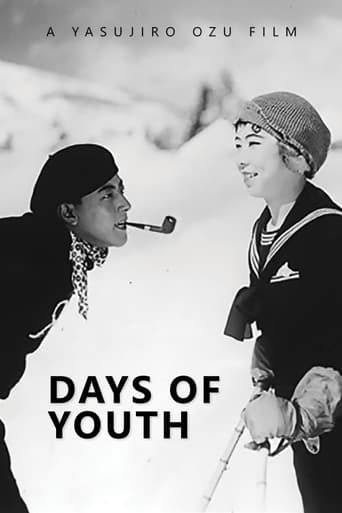
Prominent Japanese actor who emerged during the transition from silent films to talkies in Japanese cinema. Beginning his career in 1929 with Yasujirō Ozu's 'Days of Youth,' Himori quickly established himself as a versatile character actor capable of both comedic and dramatic roles. He became a regular collaborator with major directors of the era, particularly Yasujirō Ozu and Mikio Naruse, appearing in several of their most significant works during the 1930s. Himori's career flourished during Japan's golden age of cinema, where he developed a reputation for portraying ordinary middle-class men with remarkable authenticity and subtlety. His performances often embodied the struggles and aspirations of common Japanese people during a period of rapid modernization and social change. Despite his relatively short career, cut short by his untimely death during World War II, Himori on Japanese cinema through his memorable supporting roles and his ability to bring depth to seemingly simple characters. His work continues to be studied and appreciated by film scholars and enthusiasts of classic Japanese cinema.
The Craft
On Screen
Himori was known for his naturalistic and understated acting style, which was particularly well-suited to the emerging realist tradition in Japanese cinema. He possessed a remarkable ability to convey complex emotions through subtle facial expressions and minimal gestures, embodying the Japanese aesthetic of restraint and implication. His performances often captured the quiet dignity and inner turmoil of ordinary Japanese men facing social and personal challenges. Himori's approach was characterized by its authenticity and lack of theatricality, making him a perfect fit for the domestic dramas and social commentaries that defined much of 1930s Japanese cinema.
Milestones
- Film debut in Yasujirō Ozu's 'Days of Youth' (1929)
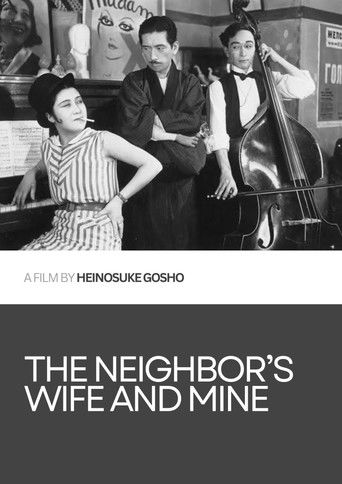
- Breakthrough role in 'The Neighbour's Wife and Mine' (1931)
- Critical acclaim for 'The Masseurs and a Woman' (1938)
- Final major role in 'Ornamental Hairpin' (1941)
- Became one of Ozu's regular character actors
Best Known For
Iconic Roles
Must-See Films
Accolades
Special Recognition
- Posthumously recognized as an important figure in Japanese cinema history
Working Relationships
Worked Often With
Studios
Why They Matter
Impact on Culture
Shinichi Himori played a significant role in the development of Japanese cinema's realist tradition during the 1930s. His work helped establish the template for the naturalistic, understated acting style that would become characteristic of Japanese cinema's golden age. Through his collaborations with master directors like Ozu, Himori contributed to films that captured the essence of Japanese society during a period of profound transformation. His performances provided audiences with relatable representations of everyday Japanese life, helping to democratize cinema and make it accessible to broader audiences. Himori's work exemplified the shift away from theatrical acting styles toward more cinematic, realistic performances that would influence generations of Japanese actors.
Lasting Legacy
Shinichi Himori's legacy endures through the classic films in which he appeared, many of which are now considered masterpieces of world cinema. His performances continue to be studied by film scholars and actors as examples of perfect subtlety and emotional authenticity. Though his career was cut short, Himori left an indelible mark on Japanese cinema's golden age, particularly in the domestic drama genre. His work with directors like Ozu helped establish the visual and narrative language that would define Japanese cinema for decades. Today, film historians recognize Himori as an important figure who helped bridge the gap between silent and sound cinema in Japan while maintaining the artistic integrity and cultural specificity of Japanese filmmaking.
Who They Inspired
Himori's naturalistic acting style influenced subsequent generations of Japanese actors, particularly those working in the realist tradition. His ability to convey complex emotions through minimal gestures and subtle expressions became a model for actors in Japanese cinema's post-war golden age. Directors who worked with him often sought similar qualities in other actors, helping to establish a new standard for cinematic performance in Japan. His collaborations with Ozu in particular helped establish the acting style that would become synonymous with the director's humanistic approach to filmmaking. Contemporary Japanese actors studying classic cinema often look to Himori's performances as examples of how to achieve emotional depth without theatrical excess.
Off Screen
Shinichi Himori lived a relatively private life away from the public eye, with most information about his personal circumstances remaining limited. His career coincided with a tumultuous period in Japanese history, including the rise of militarism and the outbreak of World War II. Like many Japanese men of his generation, his life was deeply affected by the war, which ultimately cut short his promising career. His death in 1943 occurred during the height of the Pacific War, a time when many Japanese artists faced significant hardships and restrictions on their work.
Education
Limited information available about his formal education, though he likely received training in traditional Japanese theater arts before entering cinema
Did You Know?
- His film debut was in Yasujirō Ozu's first film as director, 'Days of Youth'
- He became one of Ozu's most reliable character actors during the early 1930s
- His active years covered the critical transition from silent films to talkies in Japanese cinema
- He worked primarily with Shochiku Studios, one of Japan's major film companies
- His death in 1943 meant he never saw the post-war renaissance of Japanese cinema
- Many of his films with Ozu were lost during World War II bombing raids
- He specialized in playing 'everyman' characters that Japanese audiences could easily relate to
- His acting style was influenced by traditional Japanese theater but adapted for cinematic realism
- He appeared in over 30 films during his brief 14-year career
- His work helped establish the template for character actors in Japanese cinema
In Their Own Words
(Limited documentation of direct quotes from Himori, as was common for character actors of his era)
Frequently Asked Questions
Who was Shinichi Himori?
Japanese actor active during the late 1920s and 1930s, best known for his work with on YTB.my. He specialized in character roles and became a prominent figure during the transition from silent films to talkies in Japan.
What films is Shinichi Himori best known for?
Titles linked here include Days of Youth (1929), The Neighbour's Wife and Mine (1931).
When was Shinichi Himori born and when did he die?
Born January 20, 1907; died September 27, 1943.
What was Shinichi Himori's acting style?
Himori was known for his naturalistic and understated acting style, characterized by subtle facial expressions and minimal gestures. He embodied the Japanese aesthetic of restraint, making him perfect for the realist domestic dramas that defined 1930s Japanese cinema.
Did Shinichi Himori win any awards?
During his lifetime, Himori did not receive major formal awards, as the Japanese film award system was not yet established during his active years. However, he has been posthumously recognized as an important figure in Japanese cinema history.
Who were Shinichi Himori's frequent collaborators?
Himori worked most frequently with director Yasujirō Ozu, appearing in several of his early films. He also collaborated with other prominent directors of the era including Mikio Naruse and Heinosuke Gosho, primarily through his association with Shochiku Studios.