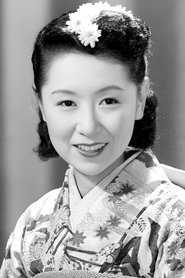
Kinuyo Tanaka
Actor
Born: November 28, 1909 in Shimonoseki, Yamaguchi Prefecture, Japan Died: March 21, 1977 Active: 1924-1974
Films
7 films
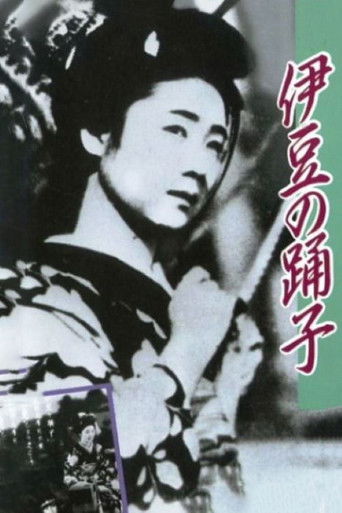
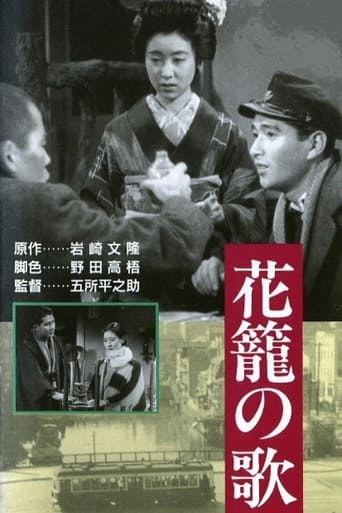
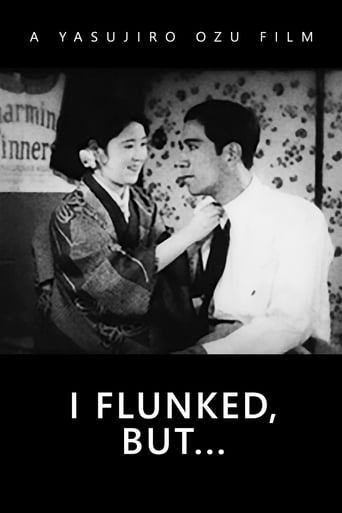
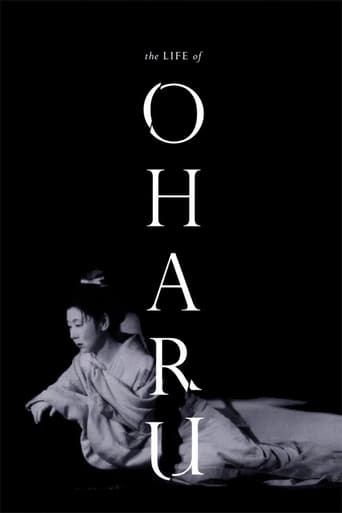
About Kinuyo Tanaka
Kinuyo Tanaka was one of Japan's most celebrated actresses and female directors, whose over five decades from the silent era through the 1970s. She began her film career in 1924 at Shochiku Studios and quickly rose to prominence, becoming a favorite of director Yasujirō Ozu, who cast her in numerous films including 'Late Spring' and 'Early Summer.' Her naturalistic acting style and emotional depth set new standards in Japanese cinema, particularly in her portrayals of women navigating traditional societal expectations. After World War II, Tanaka made history by becoming one of Japan's first female directors with her 1953 film 'Love Letter,' which won critical acclaim at Cannes. She continued acting and directing throughout the 1950s and 1960s, creating a body of work that explored women's perspectives and challenged patriarchal norms. Her collaboration with director Kenji Mizoguchi resulted in some of her most powerful performances in films like 'The Life of Oharu' and 'Ugetsu.' Tanaka's final acting role came in 1974, cementing her legacy as a transformative figure who bridged the gap between classical and modern Japanese cinema.
The Craft
On Screen
Tanaka was renowned for her naturalistic and emotionally nuanced performances, characterized by subtle facial expressions and understated gestures. She pioneered a more realistic acting style in Japanese cinema, moving away from the theatrical conventions of earlier films. Her ability to convey complex emotions through minimal movement made her particularly effective in portraying women struggling against societal constraints. Tanaka's performances often featured a quiet strength and resilience, whether playing traditional wives or modern working women. Her collaborative approach with directors allowed her to deeply inhabit her characters, creating memorable portrayals that felt authentic and deeply human.
Milestones
- Breakthrough role in 'I Graduated, But.' (1929)
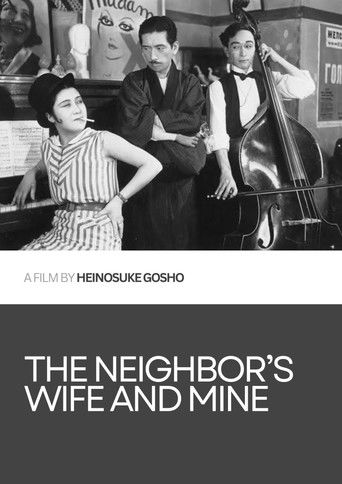
- First major collaboration with Yasujirō Ozu in 'The Neighbour's Wife and Mine' (1931)
- Starred in Mizoguchi's 'The Life of Oharu' (1952)
- Became Japan's second female director with 'Love Letter' (1953)
- Won Best Actress at Venice Film Festival for 'The Ballad of Narayama' (1958)
- Received Order of the Sacred Treasure from Japanese government (1977)
Best Known For
Iconic Roles
Must-See Films
Accolades
Won
- Best Actress, Mainichi Film Awards for 'A Ball at the Anjo House' (1947)
- Best Actress, Mainichi Film Awards for 'The Life of Oharu' (1952)
- Best Actress, Venice Film Festival for 'The Ballad of Narayama' (1958)
- Best Actress, Blue Ribbon Awards for 'The Ballad of Narayama' (1958)
- Kinema Junpo Award for Best Actress (1947, 1952, 1958)
Nominated
- Palme d'Or nomination at Cannes Film Festival for 'Love Letter' (1953)
- Golden Lion nomination at Venice Film Festival for 'The Eternal Breasts' (1956)
- Best Director nomination at Mainichi Film Awards for 'Love Letter' (1953)
Special Recognition
- Order of the Sacred Treasure, Fourth Class (1977, posthumous)
- Person of Cultural Merit (1977, posthumous)
- Kinuyo Tanaka Award established in her honor (1985)
- Retrospective at Museum of Modern Art, New York (1975)
- Career achievement award at Cannes Film Festival (1975)
Working Relationships
Worked Often With
Studios
Why They Matter
Impact on Culture
Kinuyo Tanaka fundamentally transformed the representation of women in Japanese cinema, both through her groundbreaking performances and her trailblazing work as a female director. Her naturalistic acting style helped move Japanese cinema away from theatrical traditions toward greater realism and emotional authenticity. As one of Japan's first female directors, she opened doors for women in filmmaking at a time when the industry was overwhelmingly male-dominated. Her films often explored women's inner lives and desires with unprecedented empathy and complexity, challenging traditional gender roles and societal expectations. Tanaka's international success helped bring Japanese cinema to global attention, particularly through her award-winning performances at major film festivals. Her legacy continues to influence contemporary Japanese filmmakers, especially women directors who cite her as a figure.
Lasting Legacy
Kinuyo Tanaka's legacy encompasses her dual contributions as one of Japan's greatest actresses and as a female director who broke barriers in Japanese cinema. Her performances in the films of Ozu and Mizoguchi remain touchstones of cinematic acting, studied by film scholars and actors worldwide. The Kinuyo Tanaka Award, established in 1985, continues to honor outstanding female filmmakers in Japan, ensuring her influence on future generations. Her films as director, particularly 'Love Letter' and 'The Eternal Breasts,' are recognized as classics that offered unique female perspectives in mid-century Japanese cinema. Tanaka's career trajectory from silent film star to respected director serves as an inspiration for women in film globally. Her work continues to be celebrated in retrospectives at major film institutions worldwide, cementing her status as a transformative figure in international cinema history.
Who They Inspired
Tanaka influenced generations of Japanese actors through her naturalistic acting style, which emphasized subtlety and emotional authenticity over theatrical gestures. Her work with directors like Ozu and Mizoguchi helped establish new standards for cinematic performance that influenced acting techniques worldwide. As a director, she paved the way for subsequent female filmmakers in Japan, including directors like Naomi Kawase and Mika Ninagawa who cite her as inspiration. Her focus on women's stories and perspectives anticipated later feminist filmmaking movements. International directors from Ingmar Bergman to Wong Kar-wai have acknowledged studying her performances for their emotional depth and technical precision. The Kinuyo Tanaka Award she inspired continues to support and recognize women in Japanese cinema, extending her influence beyond her lifetime.
Off Screen
Kinuyo Tanaka was known for her independent spirit and professional dedication, remaining unmarried for most of her life despite a significant relationship with director Yasujirō Ozu. Their romantic relationship in the 1930s ended when Ozu refused to marry her, leading to a professional but personal distance that lasted for years. In 1949, she married the sculptor and photographer Zentaro Kojima, though the marriage ended in divorce. Tanaka was known for her fierce independence and dedication to her craft, often choosing professional opportunities over personal relationships. She was also known for her generosity in supporting younger actors and filmmakers, particularly women entering the industry.
Education
Attended Shimonoseki Girls' High School, left before graduation to join Shochiku Studios in 1924
Family
- Zentaro Kojima (1949-1956)
Did You Know?
- She appeared in over 250 films during her 50-year career
- Was the second Japanese woman to direct a feature film after Sakane Tazuko
- Her relationship with Yasujirō Ozu was one of cinema's great unrequited love stories
- She was the first Japanese actress to win Best Actress at the Venice Film Festival
- Tanaka often worked without a script, improvising her performances based on the director's guidance
- She was known for arriving on set hours early to prepare for her roles
- During World War II, she was forced to appear in propaganda films but subtly resisted through her performances
- Her directorial debut 'Love Letter' was inspired by her own experiences sending letters to soldiers
- She was one of the few actresses who successfully transitioned from silent films to talkies
- Tanaka maintained a lifelong friendship with actress Hideko Takamine despite their professional rivalry
In Their Own Words
Acting is not about showing emotions, it's about feeling them and letting them show through you.
When I became a director, I wanted to show what women really feel, not what men think we feel.
Working with Ozu taught me that silence can speak louder than words.
Every role I played was a piece of myself that I shared with the audience.
Cinema should be like life - sometimes beautiful, sometimes painful, but always honest.
Frequently Asked Questions
Who was Kinuyo Tanaka?
Screen credits include over 250 films from the 1920s through the 1970s. She was one of Japan's most celebrated performers and became one of the country's first female directors, known for her naturalistic acting style and films exploring women's perspectives.
What films is Kinuyo Tanaka best known for?
Titles linked here include Late Spring (1949), The Life of Oharu (1952).
When was Kinuyo Tanaka born and when did she die?
Born November 28, 1909; died March 21, 1977.
What awards did Kinuyo Tanaka win?
Tanaka won numerous awards including Best Actress at the Venice Film Festival for 'The Ballad of Narayama' (1958), multiple Mainichi Film Awards, and several Blue Ribbon Awards. She also received posthumous honors including Japan's Order of the Sacred Treasure.
What was Kinuyo Tanaka's acting/directing style?
As an actress, Tanaka pioneered a naturalistic style characterized by subtle emotions and understated performances. As a director, she focused on intimate human dramas with strong female protagonists, employing careful composition and psychological depth to explore women's lives and desires in postwar Japan.