Films
2 films
About Tokuji Kobayashi
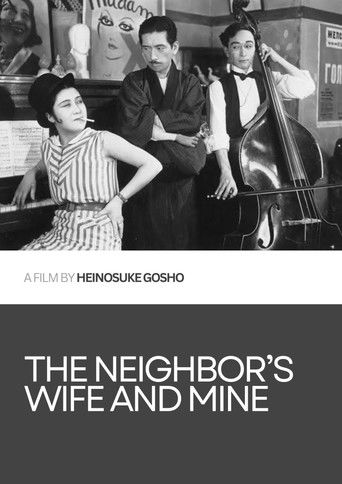
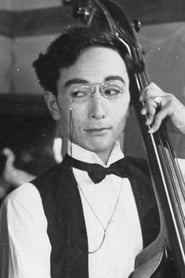
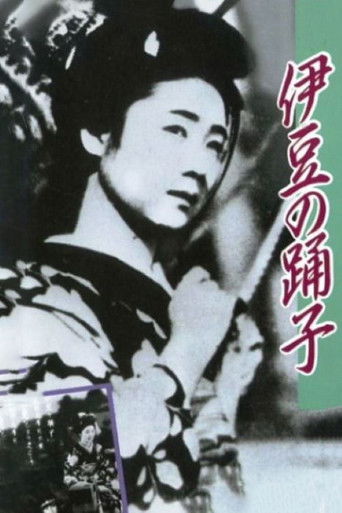
Japanese actor who worked during the early sound era of Japanese cinema in the early 1930s. His brief but notable career coincided with a transitional period in Japanese filmmaking when the industry was moving from silent films to talkies. Kobayashi appeared in two significant films of this era: 'The Neighbour's Wife and Mine' (1931), which was one of director Heinosuke Gosho's early sound comedies, and 'The Dancing Girl of Izu' (1933), an adaptation of Yasunari Kawabata's celebrated novella. While his filmography was limited, these roles placed him in important productions that helped define early Japanese sound cinema. His career appears to have been concentrated primarily in the early 1930s, during which he contributed to the development of Japanese cinematic language during this crucial technological transition. Unfortunately, detailed records of his broader career or personal life remain scarce, suggesting he may have been a character actor or supporting player rather than a leading star of the period.
The Craft
On Screen
While specific details about Tokuji Kobayashi's acting style are not extensively documented, his appearances in early Japanese sound films suggest he was part of the new generation of actors adapting to the demands of sound cinema. His roles in both films indicate he likely employed a naturalistic approach that was becoming favored in Japanese cinema during the early 1930s, moving away from the exaggerated gestures of the silent era to more subtle, dialogue-driven performances.
Milestones
- Appeared in 'The Neighbour's Wife and Mine' (1931), one of Japan's early successful sound films
- Performed in 'The Dancing Girl of Izu' (1933), an adaptation of Kawabata's famous work
- Contributed to Japanese cinema during the transition from silent to sound era
Best Known For
Iconic Roles
Must-See Films
Working Relationships
Worked Often With
Studios
Why They Matter
Impact on Culture
Tokuji Kobayashi's contribution to Japanese cinema, while not extensively documented, represents the work of the many supporting actors who were crucial to the development of early Japanese sound film. His participation in two significant films of the early 1930s places him within the important transitional period when Japanese cinema was establishing its unique voice in the sound era. These films were part of the movement that would establish Japan's reputation for sophisticated cinematic storytelling that would later gain international recognition.
Lasting Legacy
Tokuji Kobayashi's legacy is preserved through his appearances in two historically significant Japanese films from the early sound era. While not a widely recognized name today, his work contributes to our understanding of the ensemble casts that brought early Japanese cinema to life. His performances exist as part of the foundation upon which Japan's golden age of cinema would be built in the following decades.
Who They Inspired
As a supporting actor in early Japanese sound films, Tokuji Kobayashi was part of the generation that helped establish acting techniques suitable for the new medium. His work, alongside that of his contemporaries, contributed to the development of the naturalistic acting style that would become characteristic of Japanese cinema in subsequent decades.
Off Screen
Very little information is available about Tokuji Kobayashi's personal life, which suggests he was not a major star whose life was extensively documented in film publications or media of the era. Like many supporting actors of early Japanese cinema, his life story remains largely undocumented in available historical records.
Did You Know?
- Appeared in 'The Neighbour's Wife and Mine' (1931), which was one of the first Japanese films to successfully incorporate sound
- Worked with director Heinosuke Gosho on multiple occasions, suggesting a professional relationship
- Participated in the adaptation of Yasunari Kawabata's 'The Dancing Girl of Izu', one of Japan's most celebrated literary works
- His active years covered the crucial transition period when Japanese cinema was adapting to sound technology
- Both films he appeared in are considered important examples of early Japanese sound cinema
- Like many actors of his era, his career appears to have been relatively brief and concentrated in the early 1930s
Frequently Asked Questions
Who was Tokuji Kobayashi?
Screen credits include two significant films during the transition from silent to sound cinema in Japan. He worked in supporting roles in productions that helped establish early Japanese sound film as an art form.
What films is Tokuji Kobayashi best known for?
Titles linked here include The Neighbour's Wife and Mine (1931), The Dancing Girl of Izu (1933).
When was Tokuji Kobayashi born and when did he die?
Specific birth and death dates for Tokuji Kobayashi are not documented in available historical records. His known active years covered from 1931 to 1933, placing his work in the early sound era of Japanese cinema.
What awards did Tokuji Kobayashi win?
There are no documented awards or nominations for Tokuji Kobayashi in available film history records. This was common for many supporting actors in early Japanese cinema, where formal award systems were not yet established.
What was Tokuji Kobayashi's acting style?
While specific details about his acting technique are not extensively documented, his work in early sound films suggests he was part of the transition to more naturalistic performances suited for sound cinema, moving away from the exaggerated style of silent films.