
Takeshi Sakamoto
Actor
Born: March 21, 1899 in Tokyo, Japan Died: June 20, 1974 Active: 1929-1941
Films
6 films
About Takeshi Sakamoto
Prominent Japanese actor during the transition from silent films to early sound cinema in Japan. He began his career in the late 1920s and quickly became a recognizable face in Japanese cinema, particularly known for his work with director Yasujirō Ozu. Sakamoto's performances often embodied the everyman character, portraying ordinary Japanese people dealing with societal changes and family dynamics during the turbulent pre-war period. His naturalistic acting style helped define the emerging realist tradition in Japanese cinema. Throughout his career, he appeared in numerous significant films that are now considered classics of Japanese cinema, working alongside other actors of the era. His film career was relatively brief but impactful, spanning from 1929 to 1941, after which his cinematic output appears to have diminished significantly. Sakamoto's contributions to early Japanese cinema remain important to understanding the development of Japanese film language and acting techniques during this crucial period.
The Craft
On Screen
Sakamoto was known for his naturalistic and understated acting style, which was ahead of its time in Japanese cinema. He favored subtle expressions and restrained emotions over the theatrical acting common in early Japanese films. His performances often conveyed deep emotion through minimal gestures and facial expressions, embodying the Japanese aesthetic of subtlety and restraint. Sakamoto had a particular talent for portraying the struggles and dignity of ordinary people during Japan's rapid modernization period.
Milestones
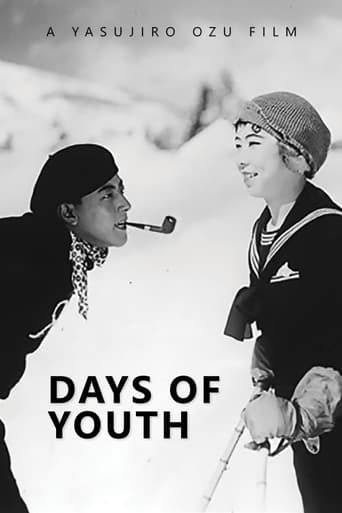
- Breakthrough role in Yasujirō Ozu's 'Days of Youth' (1929)
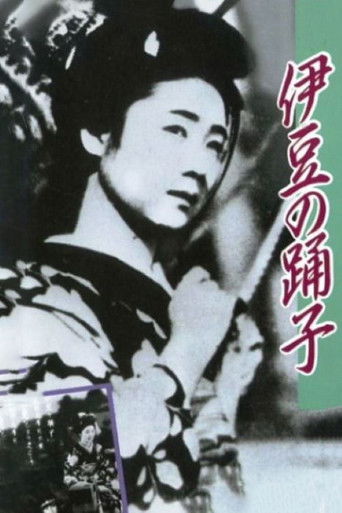
- Memorable performance in 'The Dancing Girl of Izu' (1933)
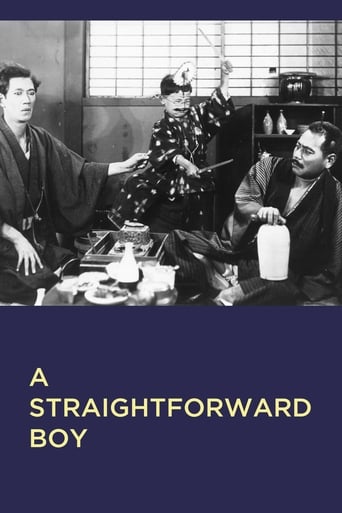
- Collaboration with director Hiroshi Shimizu on multiple films
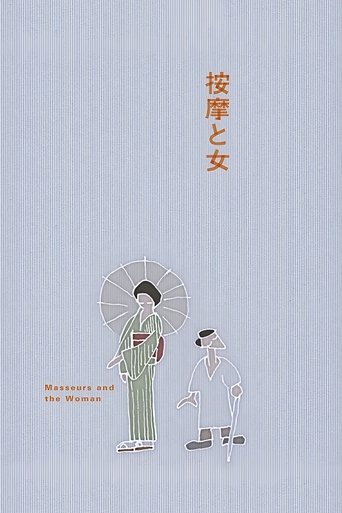
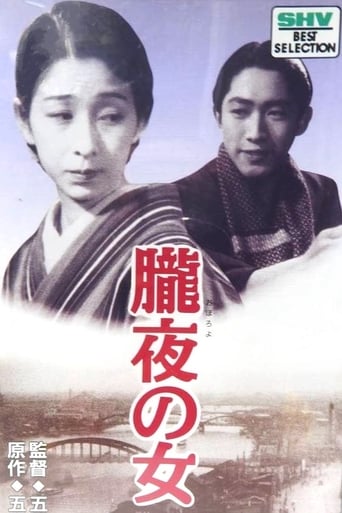
- Key role in 'The Masseurs and a Woman' (1938), considered a masterpiece of Japanese cinema
- Transition from silent to sound films during a pivotal era in Japanese cinema
Best Known For
Iconic Roles
Must-See Films
Working Relationships
Worked Often With
Studios
Why They Matter
Impact on Culture
Takeshi Sakamoto contributed significantly to the development of realistic acting in Japanese cinema during its formative years. His work with directors like Yasujirō Ozu helped establish the naturalistic style that would become characteristic of Japanese cinema's golden age. Sakamoto's performances captured the essence of ordinary Japanese people navigating the challenges of modernization, providing audiences with relatable characters that reflected their own experiences and concerns. His films remain important artifacts for understanding Japanese society and culture during the pre-war period.
Lasting Legacy
Takeshi Sakamoto's legacy lies in his contributions to establishing a more naturalistic acting style in Japanese cinema. While he may not be as widely remembered internationally as some of his contemporaries, his work in classic films like 'The Masseurs and a Woman' and 'Days of Youth' continues to be studied by film scholars and enthusiasts. His performances serve as important examples of the transition from theatrical to realistic acting in Japanese film history. Sakamoto represents the generation of actors who helped shape the unique aesthetic of Japanese cinema that would later gain international recognition.
Who They Inspired
Sakamoto's understated and naturalistic approach to acting influenced subsequent generations of Japanese actors, particularly those working in the realist tradition. His collaboration with directors like Ozu helped establish acting techniques that emphasized subtlety and emotional restraint over overt dramatic expression. This approach became a hallmark of Japanese cinema and influenced countless actors who followed, including those who would later gain international fame. His work demonstrated the power of minimal acting to convey complex emotions and social commentary.
Off Screen
Takeshi Sakamoto lived through. Like many actors of his generation, his career was likely impacted by the political changes and censorship that intensified during the 1930s and early 1940s. Details about his personal life remain relatively scarce, which was common for actors of his era who often maintained private lives away from public scrutiny.
Did You Know?
- Worked primarily with Shochiku Studios, one of Japan's oldest and most influential film companies
- Appeared in Yasujirō Ozu's directorial debut 'Days of Youth' (1929)
- His active years covered the crucial transition period from silent to sound films in Japan
- Many of his films are now considered classics but were not necessarily commercial successes at the time
- Like many actors of his era, he often played characters representing the struggles of ordinary Japanese people
- His film career ended around the time Japan entered World War II, a period when many actors' careers were disrupted
- Sakamoto was part of the generation that helped establish the unique aesthetic of Japanese cinema
- His naturalistic acting style contrasted with the more theatrical approaches common in earlier Japanese films
Frequently Asked Questions
Who was Takeshi Sakamoto?
Screen credits include several classic Japanese films during the transition from silent to sound cinema. He worked primarily with Shochiku Studios and collaborated with renowned directors like Yasujirō Ozu, known for his naturalistic acting style and portrayals of ordinary Japanese people.
What films is Takeshi Sakamoto best known for?
Titles linked here include Days of Youth (1929), The Dancing Girl of Izu (1933).
When was Takeshi Sakamoto born and when did he die?
Born March 21, 1899; died June 20, 1974.
What awards did Takeshi Sakamoto win?
There are no documented awards or nominations for Takeshi Sakamoto, which was common for actors of his era in Japan. The formal award systems for Japanese cinema were not as established during his active period as they would become in later decades.
What was Takeshi Sakamoto's acting style?
Sakamoto was known for his naturalistic and understated acting style, which emphasized subtle expressions and restrained emotions. This approach contrasted with the theatrical acting common in early Japanese films and helped establish the realist tradition that would become characteristic of Japanese cinema.