Films
2 films
About Jun Arai
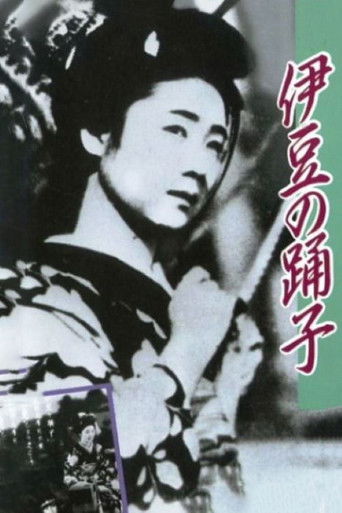
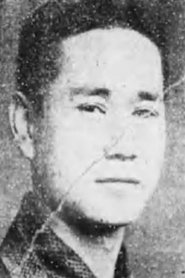
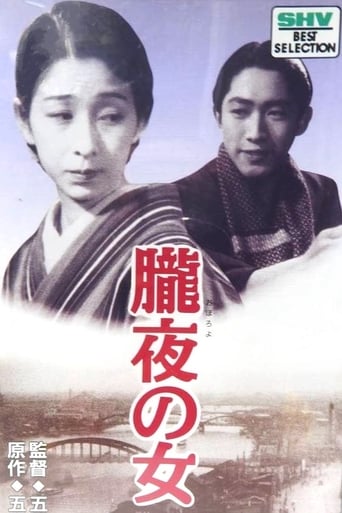
Japanese actor who worked during the transitional period from silent films to early sound cinema in Japan. His career, though brief, coincided with a golden age of Japanese filmmaking in the 1930s. Arai appeared in several notable productions, including Heinosuke Gosho's acclaimed 'The Dancing Girl of Izu' (1933), which was one of the early masterpieces of Japanese sound cinema. He also worked in 'Woman in the Mist' (1936), demonstrating his versatility during a period when Japanese cinema was developing its distinctive artistic voice. Like many character actors of his era, Arai contributed to the Japanese film history through supporting roles that helped establish the careers of major directors and stars. His filmography, though limited to the early-to-mid 1930s, represents an important period in the development of Japanese cinematic art.
The Craft
Milestones
- Appeared in 'The Dancing Girl of Izu' (1933) directed by Heinosuke Gosho
- Starred in 'Woman in the Mist' (1936)
- Worked during the golden age of early Japanese sound cinema
- Contributed to the development of Japanese film acting in the 1930s
Best Known For
Must-See Films
Working Relationships
Worked Often With
Why They Matter
Impact on Culture
Jun Arai's contributions to Japanese cinema, while not extensively documented, represent the important work of character actors during the formative years of Japanese sound film. His appearances in significant films of the 1930s helped establish the foundation for the golden age of Japanese cinema that would follow in the 1950s. Actors like Arai were essential to the development of Japanese film language, providing the supporting performances that allowed major directors to realize their artistic visions during a crucial transitional period in cinema history.
Lasting Legacy
Jun Arai's legacy is preserved through his participation in historically significant Japanese films from the 1930s. While not a major star, his work in 'The Dancing Girl of Izu' ensures his place in film history as part of an important production in early Japanese sound cinema. His career exemplifies the journey of many character actors whose contributions, though not widely celebrated, were vital to the development of national cinema traditions. Film historians and enthusiasts of classic Japanese cinema recognize actors like Arai as important pieces in the complex mosaic of Japanese film history.
Who They Inspired
As a supporting actor during the early sound era of Japanese cinema, Jun Arai's direct influence on other performers is difficult to trace. However, his work contributed to the establishment of acting styles and techniques that would influence subsequent generations of Japanese actors. The films he participated in, particularly those directed by notable filmmakers like Heinosuke Gosho, served as important examples for the development of Japanese cinema's distinctive approach to performance and storytelling.
Did You Know?
- Appeared during the crucial transition from silent to sound cinema in Japan
- Worked with director Heinosuke Gosho, a figure in Japanese film
- Participated in 'The Dancing Girl of Izu', an early masterpiece of Japanese sound cinema
- His active years covered only a few years during the mid-1930s
- Like many Japanese actors of his era, detailed biographical information is scarce
- Contributed to films during a period when Japanese cinema was developing its unique artistic identity
Frequently Asked Questions
Who was Jun Arai?
Screen credits include several notable films during the early sound era of Japanese cinema, including 'The Dancing Girl of Izu' (1933) and 'Woman in the Mist' (1936).
What films is Jun Arai best known for?
Titles linked here include The Dancing Girl of Izu (1933), Woman in the Mist (1936).
When was Jun Arai active in films?
Jun Arai was active as an actor from approximately 1933 to 1936, working during a crucial period in the development of Japanese sound cinema.
What was significant about 'The Dancing Girl of Izu'?
'The Dancing Girl of Izu' (1933) was an early masterpiece of Japanese sound cinema directed by Heinosuke Gosho, representing an important milestone in the transition from silent to sound films in Japan.
What was Jun Arai's role in Japanese cinema history?
Jun Arai represents the many character actors who contributed to the development of Japanese cinema during its formative years, helping establish the foundation for the golden age that would follow.