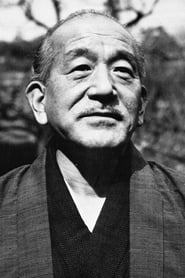
Yasujirō Ozu
Director
Born: December 12, 1903 in Fukagawa, Tokyo, Japan Died: December 12, 1963 Active: 1929-1962
Films
5 films
About Yasujirō Ozu
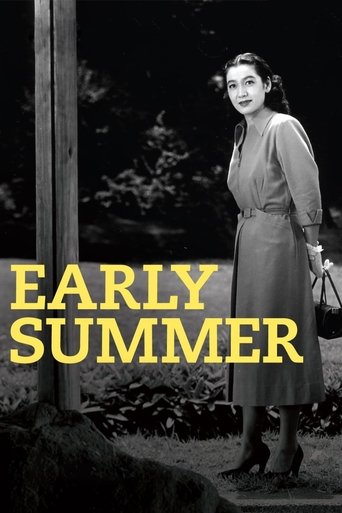
Yasujirō Ozu was one of Japan's most influential and celebrated filmmakers, renowned for his meticulous examination of Japanese family life and society. Born in Tokyo in 1903, he began his career at Shochiku Studios in 1923 as an assistant cameraman, working his way up to director by 1929. His early films were influenced by American cinema, particularly comedies, but he gradually developed his signature style characterized by static camera positions, low-angle shots, and minimal camera movement. Ozu's career was interrupted by military service during World War II, but he returned to filmmaking with renewed focus on post-war Japanese society. His most acclaimed works, including 'Late Spring' (1949), 'Early Summer' (1951), and his masterpiece 'Tokyo Story' (1953), explored generational conflicts and the dissolution of traditional family structures. Despite international acclaim, Ozu remained relatively unknown in Japan during his lifetime, with his films finding greater appreciation abroad. He continued directing until his death in 1963, leaving behind a legacy of 54 films that revolutionized cinematic language and influenced generations of filmmakers worldwide.
The Craft
Behind the Camera
Ozu's directing style was characterized by static camera positions, low-angle shots (often from the perspective of someone sitting on tatami mats), minimal camera movement, and long takes. He avoided conventional Hollywood techniques like dissolves and fades, preferring direct cuts between scenes. His 'pillow shots' - brief, atmospheric scenes of landscapes or objects - created rhythmic pauses in his narratives. Ozu's visual composition was meticulously planned, often using the 180-degree rule strictly and maintaining consistent eye-level heights. His approach emphasized observation over intervention, allowing audiences to contemplate the emotional weight of everyday moments and family dynamics.
Milestones
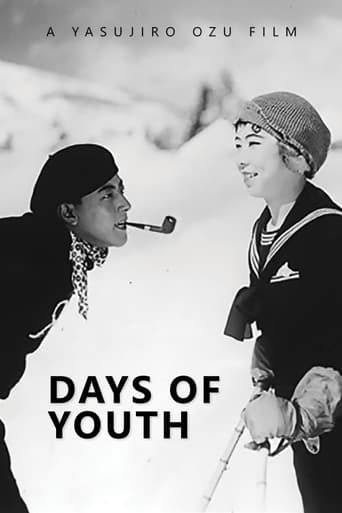
- Directed first film 'Days of Youth' (1929)
- Developed signature 'pillow shots' and low-angle cinematography
- Created acclaimed 'Noriko Trilogy' (1949-1951)
- Directed masterpiece 'Tokyo Story' (1953)
- Received international recognition at film festivals
- Influenced generations of filmmakers including Wim Wenders and Jim Jarmusch
Best Known For
Must-See Films
Accolades
Won
- Kinema Junpo Award for Best Film of the Year (1930)
- Kinema Junpo Award for Best Film of the Year (1932)
- Kinema Junpo Award for Best Film of the Year (1951)
- Mainichi Film Award for Best Film (1959)
- Mainichi Film Award for Best Director (1959)
Nominated
- Venice Film Festival Golden Lion nomination for 'Early Summer' (1951)
- Venice Film Festival Golden Lion nomination for 'Tokyo Story' (1953)
- Academy Award nomination for Best Foreign Language Film for 'Late Spring' (1951)
Special Recognition
- Order of the Sacred Treasure, 3rd Class (1958)
- Retrospective at Cannes Film Festival (1978)
- Named among the top 10 directors in Sight & Sound's 2002 poll
- Four films included in Sight & Sound's 2012 greatest films list
Working Relationships
Worked Often With
Studios
Why They Matter
Impact on Culture
Ozu revolutionized cinematic language through his distinctive visual style and narrative approach, challenging conventional filmmaking techniques. His films provided profound insights into Japanese family dynamics and social changes during Japan's modernization, serving as cultural documents of post-war Japanese society. While initially underappreciated in Japan, Ozu's work gained international recognition, influencing the global perception of Japanese cinema. His minimalist approach and focus on everyday moments demonstrated how profound emotional depth could be achieved through subtlety rather than dramatic action. Ozu's films have been studied extensively in film schools worldwide, with his techniques becoming fundamental to cinematic education.
Lasting Legacy
Yasujirō Ozu's legacy endures through his profound influence on world cinema and his unique artistic vision. His films consistently rank among the greatest ever made, with 'Tokyo Story' frequently cited as one of the top films of all time. The 'Ozu style' - characterized by static compositions, low angles, and contemplative pacing - has become a reference point for filmmakers seeking alternatives to conventional Hollywood techniques. His exploration of family dynamics and generational conflict remains relevant across cultures and time periods. Ozu's work has inspired countless directors, including Wim Wenders, Jim Jarmusch, Hou Hsiao-hsien, and Abbas Kiarostami. Film scholars continue to analyze his techniques and themes, ensuring his influence persists in contemporary cinema.
Who They Inspired
Ozu's influence extends far beyond Japanese cinema, impacting filmmakers across the globe who appreciate his minimalist approach and emotional depth. Wim Wenders famously created 'Tokyo-Ga' (1985) as a tribute to Ozu's influence, while Jim Jarmusch has cited Ozu as a major influence on his own contemplative style. Chinese director Hou Hsiao-hsien adopted Ozu's static camera and long takes, while Iranian filmmaker Abbas Kiarostami incorporated similar observational techniques. The 'Ozu shot' - the low-angle perspective from floor level - has been referenced by directors including Martin Scorsese and Sofia Coppola. Contemporary filmmakers continue to study his approach to family narratives and his ability to find profound meaning in everyday situations.
Off Screen
Ozu never married and remained a lifelong bachelor, living with his mother until her death in 1933. He was known for his disciplined lifestyle, including daily drinking sessions with colleagues and his meticulous attention to detail in both his work and personal habits. Despite his focus on family themes in films, Ozu maintained an unconventional personal life for his time. He was drafted into the Imperial Japanese Army in 1937 and served in China during the Second Sino-Japanese War, experiences that influenced his later work. Ozu remained close to his sister and her family, who often served as inspiration for his family-centric narratives.
Education
Matsuzawa Elementary School, Uji Yamada Junior High School, Kobe Commercial High School (graduated 1921)
Did You Know?
- Ozu's tombstone bears the character 'Mu' (無), meaning 'nothingness', reflecting Zen Buddhist philosophy
- He was 5 feet 3 inches tall and never married, claiming his films were his children
- Ozu drank heavily but was never seen drunk, maintaining strict control even while intoxicated
- He never received a major award in Japan during his lifetime, though he won several international honors
- Ozu's films were rarely shown in Japanese theaters during his career, finding more success abroad
- He reused the same sets and locations for different films to save money and maintain consistency
- Ozu was drafted into the army twice, serving in China in 1937-1939 and again in 1943
- His final film 'An Autumn Afternoon' (1962) was made in color, though he preferred black and white
- Ozu famously said he liked to 'boil down' his films to remove all unnecessary elements
- He maintained the same crew throughout most of his career, creating a tight-knit collaborative environment
In Their Own Words
I want to portray the Japanese as they are, with their faults and virtues. I am not interested in making a social critique.
I want to make films that are like a piece of music - something that can be felt rather than understood.
The difference between a good film and a bad film is like the difference between life and death.
I have shown my films to many people, and they have all been moved. That is enough for me.
Directors are like sumo wrestlers. They have to keep their balance and not fall over.
Frequently Asked Questions
Who was Yasujirō Ozu?
Yasujirō Ozu was one of Japan's most influential and acclaimed film directors, known for his distinctive cinematic style and profound examinations of Japanese family life. Active from 1929 to 1962, he created 54 films that revolutionized cinematic language through static camera positions, low-angle shots, and contemplative pacing. His work, particularly 'Tokyo Story,' is considered among the greatest achievements in world cinema.
What films is Yasujirō Ozu best known for?
Titles linked here include Tokyo Story (1953), Late Spring (1949).
When was Yasujirō Ozu born and when did he die?
Born December 12, 1903; died December 12, 1963.
What awards did Yasujirō Ozu win?
During his lifetime, Ozu received several Kinema Junpo Awards for Best Film and Mainichi Film Awards for Best Director and Best Film. He was awarded the Order of the Sacred Treasure, 3rd Class, by the Japanese government in 1958. Posthumously, he has received numerous honors including retrospectives at major film festivals and recognition as one of cinema's greatest directors in international polls. 'Tokyo Story' has been named among the greatest films of all time by multiple critics' polls.
What was Yasujirō Ozu's directing style?
Ozu's directing style was revolutionary for its minimalism and distinctive visual language. He used static camera positions, low-angle shots from the perspective of someone sitting on tatami mats, and avoided conventional techniques like dissolves and camera movement. His 'pillow shots' - brief, atmospheric scenes - created rhythmic pauses in narratives. Ozu's approach emphasized observation over intervention, allowing audiences to contemplate the emotional weight of everyday moments and family dynamics through carefully composed, contemplative scenes.