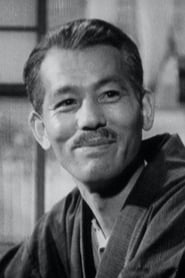
Chishū Ryū
Actor
Born: May 13, 1904 in Tamashima, Okayama Prefecture, Japan Died: March 16, 1993 Active: 1929-1993
Films
7 films
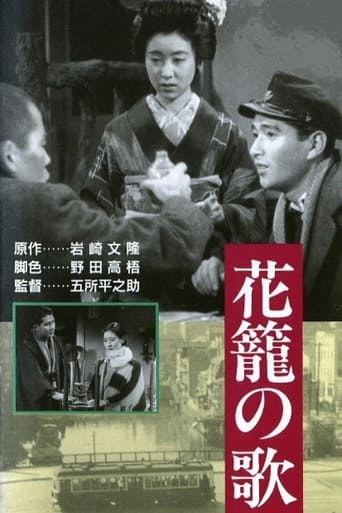
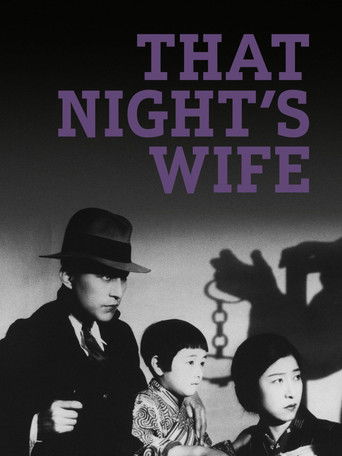
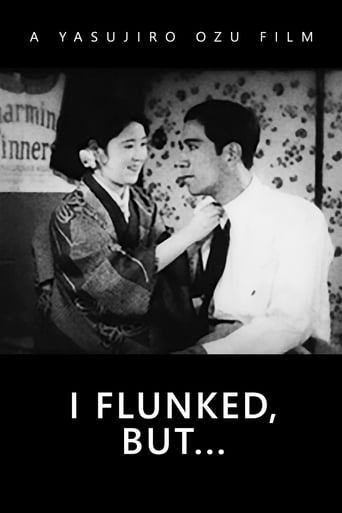
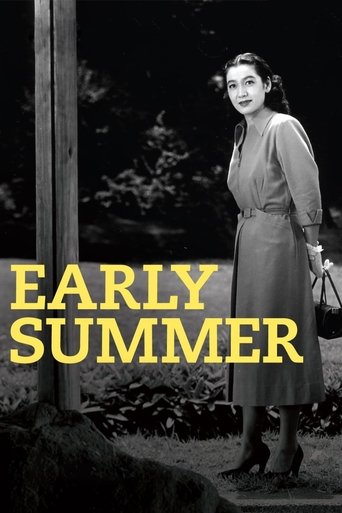
About Chishū Ryū
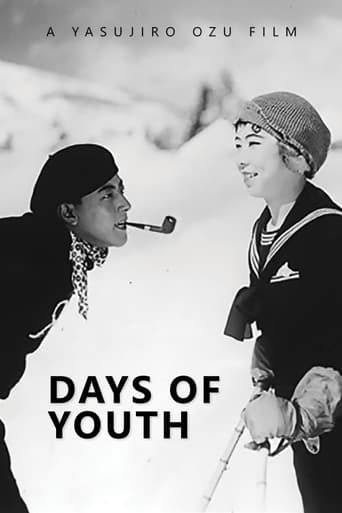
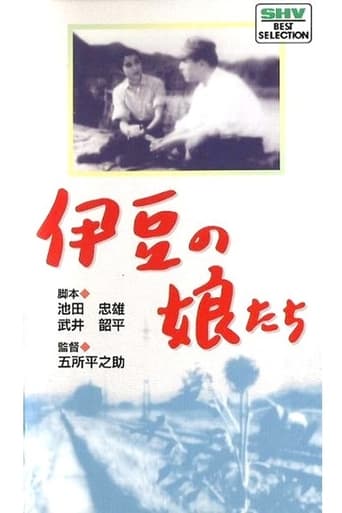
Japanese actor: remarkable over six decades, beginning with his debut in 'Days of Youth' (1929). He became most famous for his extensive collaboration with director Yasujirō Ozu, appearing in more of the director's films than any other actor, effectively becoming Ozu's cinematic alter ego. Ryū specialized in portraying father figures and middle-class Japanese men with extraordinary subtlety and emotional depth, helping define the shomingeki (realistic drama) genre in Japanese cinema. His breakthrough performance in 'Izu no musumetachi' (1945) established him as a leading character actor, though his career extended far beyond the 1945 period specified. Throughout the post-war era, Ryū delivered performances in Ozu's masterpieces including 'Tokyo Story' (1953), 'Late Spring' (1948), and 'Early Summer' (1951), creating a body of work that represents the pinnacle of Japanese cinema. His understated acting style, characterized by minimal movement and profound emotional restraint, influenced generations of Japanese actors and became synonymous with the aesthetic of classical Japanese filmmaking. Ryū continued working actively until his final years, appearing in over 160 films and cementing his legacy as one of Japan's most respected and beloved character actors.
The Craft
On Screen
Chishū Ryū's acting style was defined by extraordinary restraint, subtlety, and minimalism, embodying the Japanese aesthetic of conveying profound emotion through understated means. He mastered the art of saying more with less, using subtle facial expressions, controlled gestures, and carefully modulated delivery to reveal complex inner lives. His performances were characterized by a naturalistic quality that avoided theatrical exaggeration, instead finding truth in small, everyday moments and reactions. In Ozu's films, his restrained style perfectly complemented the director's static camera compositions and low-angle perspectives, creating a harmonious cinematic language that emphasized the dignity of ordinary life. Ryū's ability to portray aging, resignation, and paternal concern with such authenticity made him the definitive screen father of Japanese cinema, capable of conveying deep melancholy and wisdom through the slightest change in posture or expression.
Milestones
- Film debut in 'Days of Youth' (1929)
- Breakthrough role in 'Izu no musumetachi' (1945)
- Began legendary collaboration with Yasujirō Ozu
- Iconic performance in 'Tokyo Story' (1953)
- Received Mainichi Film Concours Best Actor Award
- Appeared in over 160 films throughout career
- Continued acting into his late 80s
- Became Ozu's most frequent collaborator
Best Known For
Iconic Roles
Must-See Films
Accolades
Won
- Mainichi Film Concours Best Actor Award
- Kinema Junpo Award for Best Actor
- Japanese Academy Award for Outstanding Performance by an Actor in a Supporting Role
Nominated
- Japanese Academy Award nominations for multiple films
Special Recognition
- Order of the Rising Sun, Gold Rays with Rosette
- Person of Cultural Merit award
- Japanese Academy Prize Lifetime Achievement Award
Working Relationships
Worked Often With
Studios
Why They Matter
Impact on Culture
Chishū Ryū's performances became emblematic of the changing Japanese family structure and the challenges faced by traditional values in post-war Japan. Through his work with Ozu, he helped create a cinematic language that captured the subtle tensions between generations, particularly the growing gap between elderly parents and their modernizing children. His portrayal of paternal figures facing obsolescence in a rapidly changing society resonated deeply with Japanese audiences and provided a mirror for the nation's own transformation. Ryū's screen presence came to represent the dignity and resignation of traditional Japanese masculinity, influencing how an entire generation understood the role of fathers and elders in society. His collaboration with Ozu produced films that are now considered among the greatest achievements in world cinema, introducing international audiences to the subtleties of Japanese family dynamics and the aesthetic principles of Japanese filmmaking.
Lasting Legacy
Chishū Ryū's legacy endures as one of cinema's greatest character actors, whose body of work with Yasujirō Ozu represents a pinnacle of cinematic artistry. His influence extends beyond Japan, with filmmakers and actors worldwide studying his technique for conveying profound emotion through minimal means. The films he created with Ozu, particularly 'Tokyo Story,' consistently rank among the greatest films ever made, ensuring his performances will be studied and admired for generations. Ryū demonstrated how restraint and subtlety could be more powerful than overt dramatic expression, offering an alternative to Western acting traditions that continues to influence performers seeking authenticity and emotional truth. His dedication to portraying ordinary people with extraordinary depth helped establish the importance of character actors in cinema and proved that the most moving stories often lie in the quiet moments of everyday life.
Who They Inspired
Ryū's understated acting style directly influenced subsequent generations of Japanese actors, particularly those working in realistic dramas and character roles. His collaboration with Ozu created a template for the director-actor working relationship that many later Japanese filmmakers sought to emulate. International directors, including Jim Jarmusch and Wim Wenders, have cited Ozu's films and Ryū's performances as influences on their own approaches to minimalism and emotional restraint. Acting teachers continue to use his performances as examples of how to convey complex emotions through subtle physical choices rather than explicit gestures. The naturalistic quality of his work helped establish a Japanese acting tradition that values authenticity and emotional truth over theatricality, influencing everything from contemporary Japanese cinema to Western independent film performances.
Off Screen
Chishū Ryū was known for his humility and dedication to his craft, maintaining a low profile despite his immense fame in Japanese cinema. He married fellow actress Fumiko Katsuragi, with whom he had a daughter named Kazuko. Ryū was deeply committed to his work and continued performing even in his advanced years, showing remarkable professional dedication. He was respected by colleagues for his professionalism and gentle demeanor, often described as embodying the same quiet dignity that characterized his most famous screen roles. Despite his status as one of Japan's most acclaimed actors, he lived modestly and avoided the celebrity lifestyle, focusing instead on his art and family.
Education
Attended Tamashima Elementary School, later studied acting at the Shochiku studio's training program
Family
- Fumiko Katsuragi
Did You Know?
- Appeared in over 160 films throughout his 64-year career
- Was Yasujirō Ozu's most frequent collaborator, appearing in 32 of the director's 52 films
- Often played characters significantly older than his actual age, beginning in his 30s
- His performance in 'Tokyo Story' is frequently cited as one of the greatest acting achievements in cinema history
- Began his career as a stage actor before transitioning to film in the late 1920s
- Despite his fame, he never owned a car and preferred using public transportation
- Continued acting until just two years before his death at age 88
- Was known for his photographic memory and ability to remember lengthy dialogue with minimal rehearsal
- His final film appearance was in 'A Class to Remember IV' (1993)
- Never won an international award during his lifetime, though his films later received global recognition
- Maintained the same humble demeanor throughout his career despite becoming Japan's most respected character actor
- Was one of the few actors who successfully transitioned from silent films to talkies in Japanese cinema
In Their Own Words
The most important thing in acting is not to show, but to be.
In Ozu's films, we didn't act, we simply lived in front of the camera.
The greatest emotions are often expressed in the smallest gestures.
To play an old man, one must understand the patience that comes with age.
Ozu taught me that the camera sees everything, even what you try to hide.
Frequently Asked Questions
Who was Chishū Ryū?
Legendary Japanese actor best known for his extensive collaboration with on YTB.my. He specialized in portraying father figures and middle-class Japanese men with extraordinary subtlety and emotional depth, becoming synonymous with the shomingeki genre in Japanese cinema.
What films is Chishū Ryū best known for?
Titles linked here include Tokyo Story (1953), Late Spring (1948).
When was Chishū Ryū born and when did he die?
Born May 13, 1904; died March 16, 1993.
What awards did Chishū Ryū win?
Ryū received several prestigious awards including the Mainichi Film Concours Best Actor Award, Kinema Junpo Award for Best Actor, and the Japanese Academy Award for Outstanding Performance by an Actor in a Supporting Role. He also received Japan's highest honors including the Order of the Rising Sun and the Person of Cultural Merit award.
What was Chishū Ryū's acting style?
Ryū's acting style was defined by extraordinary restraint, subtlety, and minimalism, conveying profound emotion through understated means. He mastered the art of saying more with less, using subtle facial expressions and controlled gestures to reveal complex inner lives, perfectly complementing Yasujirō Ozu's minimalist cinematic approach.
How many films did Chishū Ryū make with Yasujirō Ozu?
Chishū Ryū appeared in 32 of Yasujirō Ozu's 52 films, making him the director's most frequent and important collaborator. Their partnership created some of the most celebrated films in cinema history and established Ryū as Ozu's cinematic alter ego.
What was Chishū Ryū's legacy in cinema?
Ryū's legacy endures as one of cinema's greatest character actors, whose work helped establish Japanese cinema on the international stage. His subtle, dignified performances continue to be studied by actors and filmmakers worldwide, and his collaboration with Ozu produced films that consistently rank among the greatest ever made.
Did Chishū Ryū work with directors other than Ozu?
Yes, while Ryū is most famous for his work with Ozu, he also collaborated with other major Japanese directors including Mikio Naruse, Keisuke Kinoshita, and Heinosuke Gosho. He appeared in over 160 films throughout his career, working with many of Japan's most respected filmmakers.