Films
3 films

About Aleksey Dolinin
Soviet actor active during the late 1930s, appearing in several notable films of the Stalinist era. His career, though brief, coincided with a significant period in Soviet cinema when socialist realism became the dominant artistic style. Dolinin worked with prominent directors of the time and appeared in films that were celebrated for their portrayal of Soviet ideals and collectivist values. His filmography includes works that have since become classics of Soviet cinema, though he often played supporting rather than leading roles. Aleksey Dolinin's career appears to have been concentrated primarily between 1936 and 1940, a period that saw the height of pre-war Soviet film production. Unfortunately, detailed biographical information about his personal life and broader career trajectory remains limited in available historical records.
The Craft
On Screen
Dolinin's acting style was characteristic of Soviet socialist realism, emphasizing clear, accessible performances that served the ideological goals of the films. Like many actors of his era, his performances likely emphasized collective values and the heroic portrayal of Soviet citizens. His screen presence appears to have been that of a reliable character actor who could effectively embody the working-class protagonists typical of 1930s Soviet cinema.
Milestones
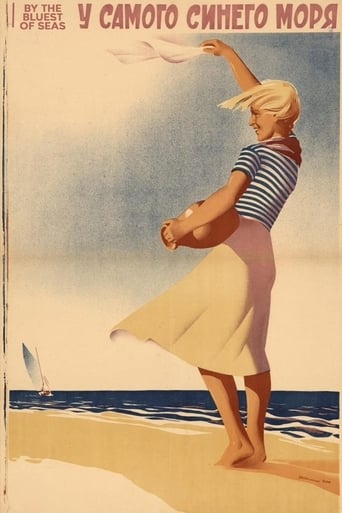
- Appeared in 'By the Bluest of Seas' (1936) directed by Boris Barnet
- Role in the popular musical 'Tractor Drivers' (1939)
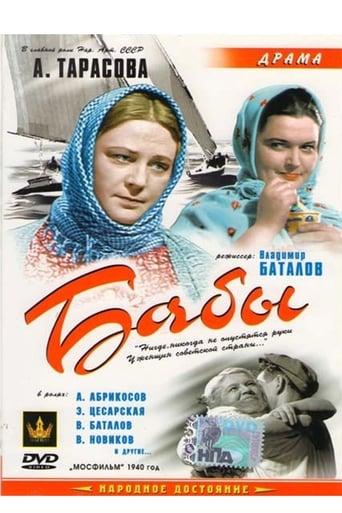
- Performance in 'Peasant Women' (1940)
- Work during the peak of Soviet socialist realism cinema
Best Known For
Iconic Roles
Must-See Films
Working Relationships
Worked Often With
Studios
Why They Matter
Impact on Culture
Aleksey Dolinin contributed to the Soviet film industry during a crucial period when cinema was being used as a tool for socialist education and propaganda. His appearances in films that have become classics of Soviet cinema, while not in leading roles, represent the collective effort of actors who helped shape the visual culture of the Stalinist era. These films continue to be studied by film historians as examples of socialist realism in cinema.
Lasting Legacy
Dolinin's legacy is preserved through his participation in historically significant Soviet films that continue to be analyzed and appreciated by cinema scholars. While not a major star, his work contributes to our understanding of the ensemble nature of Soviet film production during the 1930s. His films remain important documents of Soviet cultural history and the artistic achievements of the era.
Who They Inspired
As a character actor during the formative years of Soviet sound cinema, Dolinin was part of a generation of performers who established the acting conventions that would define Soviet film for decades. His work in popular films of the era helped create the visual language and performance styles that influenced subsequent generations of Soviet actors.
Off Screen
Very little information is available about Aleksey Dolinin's personal life in existing historical records. Like many Soviet character actors of the 1930s who were not major stars, biographical details about his family life, relationships, and personal experiences remain largely undocumented in accessible sources.
Did You Know?
- Appeared in three films between 1936-1940, suggesting a relatively brief but focused acting career
- Worked during the height of Stalinist cultural control over the arts
- Participated in films that are now considered classics of Soviet cinema
- His filmography spans the period just before World War II, a significant time in Soviet history
- Like many Soviet actors of his era, he likely worked within the state-controlled film production system
- His appearances were in films that promoted Soviet socialist ideals
- The limited documentation of his career is typical for supporting actors of the period
Frequently Asked Questions
Who was Aleksey Dolinin?
Screen credits include several notable Soviet films including 'By the Bluest of Seas' (1936), 'Tractor Drivers' (1939), and 'Peasant Women' (1940). He worked primarily as a character actor during the Stalinist era of Soviet cinema.
What films is Aleksey Dolinin best known for?
Titles linked here include By the Bluest of Seas (1936), Tractor Drivers (1939).
When was Aleksey Dolinin active as an actor?
Aleksey Dolinin's known film active years covered from 1936 to 1940, coinciding with the height of pre-war Soviet film production and the establishment of socialist realism as the dominant artistic style in Soviet cinema.
What was Aleksey Dolinin's acting style?
Dolinin's acting style was characteristic of Soviet socialist realism, featuring clear, accessible performances that served the ideological goals of the films. Like many actors of his era, he likely emphasized collective values and portrayed working-class protagonists typical of 1930s Soviet cinema.
Why is there limited information about Aleksey Dolinin?
Limited biographical information about Aleksey Dolinin is typical for Soviet character actors of the 1930s who were not major stars. Many supporting actors from this period have sparse documentation in available historical records, especially in non-Russian sources.