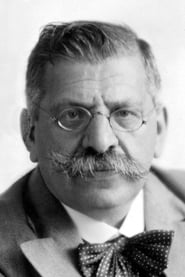
Magnus Hirschfeld
Actor
Born: May 14, 1868 in Kolberg, Kingdom of Prussia (now Kołobrzeg, Poland) Died: May 14, 1935 Active: 1919
Films
1 film
About Magnus Hirschfeld
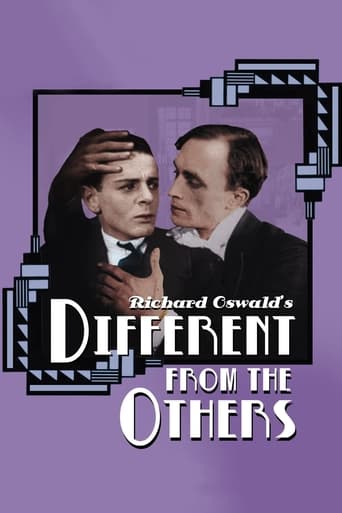
German physician and sexologist who became early advocates for LGBTQ+ rights in the early 20th century. Born in 1868, he founded the Scientific-Humanitarian Committee in 1897, the world's first organization dedicated to fighting for the rights of homosexual and transgender people. In 1919, he established the Institute for Sexual Research in Berlin, which became a world-renowned center for sexual science and gender studies. His film appearance in 'Different from the Others' (1919) was historically significant as he played himself, providing scientific explanations about homosexuality in what is considered one of the first explicitly pro-gay films ever made. Hirschfeld's work challenged prevailing social norms and medical theories about sexuality, arguing that homosexuality was a natural variation of human sexuality rather than a disease or moral failing. When the Nazis rose to power, they specifically targeted Hirschfeld due to his Jewish heritage and his progressive work on sexuality, destroying his institute and burning its extensive library in 1933. He died in exile in Nice, France in 1935, but his work laid the foundation for modern sexual science and LGBTQ+ rights movements worldwide.
The Craft
On Screen
Naturalistic and documentary-style approach, appearing as himself to provide authoritative scientific commentary on sexuality
Milestones
- Founded Scientific-Humanitarian Committee (1897)
- Established Institute for Sexual Research (1919)
- Appeared in 'Different from the Others' (1919)
- Pioneered research in sexual science and gender identity
- Advocated for decriminalization of homosexuality in Germany
Best Known For
Iconic Roles
Must-See Films
Accolades
Special Recognition
- Considered one of the founders of modern sexology
- Recognized as pioneer of LGBTQ+ rights movement
- Institute for Sexual Research was world-renowned center for sexual science
Working Relationships
Worked Often With
Studios
Why They Matter
Impact on Culture
Magnus Hirschfeld's appearance in 'Different from the Others' marked a revolutionary moment in cinema history, as it was one of the first times homosexuality was portrayed sympathetically on screen. The film, co-written by Hirschfeld and directed by Richard Oswald, used his scientific authority to argue for the acceptance of homosexuality as natural rather than criminal or pathological. His institute in Berlin became a sanctuary for LGBTQ+ individuals and a center for progressive sexual education, influencing generations of researchers and activists. The destruction of his institute by the Nazis in 1933, with the burning of over 20,000 books and materials, represented a catastrophic loss to sexual science and human understanding. Hirschfeld's work laid the groundwork for the modern LGBTQ+ rights movement, and his theories about sexuality and gender identity were decades ahead of their time.
Lasting Legacy
Magnus Hirschfeld is remembered as the 'Einstein of Sex' and. His Institute for Sexual Research pioneered concepts of sexual orientation and gender identity that would only become widely accepted decades later. The Magnus Hirschfeld Foundation was established in his memory, and numerous institutions, streets, and awards have been named after him. His film appearance, though brief, represents an important milestone in queer cinema history. Hirschfeld's interdisciplinary approach to understanding human sexuality influenced fields ranging from psychology to sociology to medicine, and his advocacy for decriminalization of homosexuality in Germany (Paragraph 175) set a precedent for future human rights movements.
Who They Inspired
Hirschfeld's work directly influenced later sexologists including Alfred Kinsey and the development of the modern LGBTQ+ rights movement. His scientific approach to studying sexuality provided a framework for understanding sexual orientation as a spectrum rather than a binary. The destruction of his institute by the Nazis became a symbol of the persecution of both Jewish people and LGBTQ+ individuals during the Holocaust. His theories about transgender identity were remarkably progressive, and he performed some of the first gender-affirming surgeries. Contemporary LGBTQ+ activists and scholars frequently reference Hirschfeld as a foundational figure in the fight for sexual freedom and human rights.
Off Screen
Hirschfeld was openly gay and lived with his partner Karl Giese for many years. He never married and had no biological children, though he considered his work and students as his family. His personal life was marked by his dedication to scientific research and social activism, often facing persecution and public criticism for his progressive views on sexuality and gender.
Education
Studied medicine at University of Strasbourg, University of Munich, University of Heidelberg, and University of Berlin; earned medical degree in 1892
Did You Know?
- Was nicknamed 'The Einstein of Sex' for his groundbreaking work in sexual science
- His Institute for Sexual Research housed over 20,000 books and materials before being destroyed by the Nazis
- Performed some of the first modern gender-affirming surgeries in the 1920s
- Coined the term 'transvestism' and conducted early research on transgender identities
- His film 'Different from the Others' was partially destroyed by the Nazis, with only fragments surviving
- Was one of the first public figures to openly advocate for homosexual rights
- His Scientific-Humanitarian Committee collected over 6,000 signatures for a petition to repeal Germany's anti-homosexuality laws
- Fled Germany in 1933 after the Nazi takeover and lived in exile in France until his death
- His work influenced the development of the World Health Organization's later declassification of homosexuality as a mental disorder
- The institute he founded also provided marriage counseling, sex education, and support for sexual minorities
In Their Own Words
Justice through science, and science through justice.
The love of two men for each other is just as natural as that of a man and a woman.
Sexual science has the task of freeing humanity from the chains of prejudice and ignorance.
We must fight for the right to love, for the right to be different, for the right to be ourselves.
The persecution of homosexuals is one of the greatest injustices of our time.
Frequently Asked Questions
Who was Magnus Hirschfeld?
German physician, sexologist, and LGBTQ+ rights activist who founded the world's first organization dedicated to fighting for homosexual rights. He established the Institute for Sexual Research in Berlin and appeared in the groundbreaking 1919 film 'Different from the Others,' where he played himself providing scientific explanations about homosexuality.
What films is Magnus Hirschfeld best known for?
Titles linked here include Different from the Others (1919).
When was Magnus Hirschfeld born and when did he die?
Born May 14, 1868; died May 14, 1935.
What awards did Magnus Hirschfeld win?
While Hirschfeld did not receive traditional film awards during his lifetime, he is recognized posthumously as one of the founders of modern sexology and a pioneer of LGBTQ+ rights. His Institute for Sexual Research was considered the world's leading center for sexual science during his lifetime.
What was Magnus Hirschfeld's acting style?
Hirschfeld's acting style was naturalistic and documentary-like, as he appeared as himself in 'Different from the Others' to provide authoritative scientific commentary. His performance was more educational than theatrical, using his expertise as a physician and sexologist to lend credibility to the film's message about homosexuality.
How did Magnus Hirschfeld influence LGBTQ+ rights?
Hirschfeld founded the Scientific-Humanitarian Committee in 1897, the world's first LGBTQ+ rights organization, and campaigned to decriminalize homosexuality in Germany. His scientific research proved that homosexuality was natural rather than pathological, providing the foundation for modern LGBTQ+ rights movements and sexual science.
What happened to Magnus Hirschfeld's institute?
The Institute for Sexual Research was destroyed by Nazi stormtroopers on May 6, 1933, who raided the building, seized its extensive library of over 20,000 books and materials, and publicly burned them in the streets. This destruction represented a catastrophic loss to sexual science and human understanding.
Why is Magnus Hirschfeld important to film history?
Hirschfeld's appearance in 'Different from the Others' (1919) represents a milestone in queer cinema, as it was one of the first films to portray homosexuality sympathetically and scientifically. The film used his authority to argue for acceptance of gay people, making it a groundbreaking work in the representation of LGBTQ+ individuals in media.