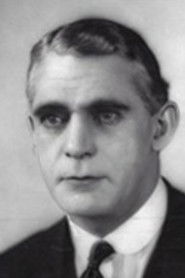
Fred Paul
Actor & Director
- Active
- 1914-1917
Films 2
About Fred Paul
Fred Paul was a British actor, screenwriter, and film director active during the formative years of the silent cinema, especially in the 1910s. He is best remembered today for his work behind the camera in early British features and short dramas, at a time when the national film industry was still defining its style and production standards. Paul directed a range of melodramas and literary adaptations, including the 1917 version of Masks and Faces, and he also appeared on screen in titles such as Christmas Day in the Workhouse (1914). His career belongs to the transitional period when filmmakers frequently moved between acting, directing, and writing, and his filmography reflects the hands-on, multi-skilled nature of early cinema production. Because record-keeping from the silent era is often incomplete, many personal details about him are obscure or unverified, but his name remains associated with the development of early British film narrative. He stands as one of the many working artisans whose contributions helped establish the language and professionalism of British silent filmmaking. His surviving credits indicate a career concentrated in the mid-1910s, after which available documentation becomes sparse, suggesting either retirement from film or a move into less well-documented work.
More about Fred Paul
On screen
Specific descriptions of Fred Paul's acting style are not well documented in surviving sources, but as a performer in the silent era he would have relied on the expressive, legible physical performance typical of early 1910s cinema. Roles from this period generally demanded clear gesture, readable facial expression, and stage-derived body language to communicate emotion without synchronized sound. His credited acting work suggests competence in melodramatic and socially themed material rather than a narrowly defined star persona. In the absence of detailed reviews, any further characterization would be speculative.
Behind the camera
Fred Paul's directing style appears to have been aligned with the conventions of British silent filmmaking in the 1910s: compact storytelling, theatrical adaptation, and clear visual staging suited to the limitations and strengths of early film production. His known work on Masks and Faces suggests an interest in adapting established dramatic material for the screen, a common practice in the period when audiences were comfortable with literary and stage-derived narratives. Directors of this era often emphasized tableau composition, straightforward narrative continuity, and strong character presentation, and Paul likely worked within that framework. Detailed critical assessments of his direction are scarce, so a more precise stylistic profile is not securely verifiable.
In film history
Fred Paul’s cultural impact lies less in celebrity than in his participation in the infrastructure of early British cinema. Films such as Masks and Faces belong to the period when filmmakers were translating stage traditions into screen form, helping audiences accept cinema as a serious dramatic medium rather than only a novelty. By working both as an actor and as a director, Paul represents the versatile creative labor that sustained the silent-era industry and allowed it to mature artistically and industrially. Even when individual films do not survive in popular memory, the craftsmen who made them contributed to the grammar of editing, performance, and adaptation that later British cinema inherited. His presence in the record underscores how many early filmmakers helped normalize feature-length storytelling and socially grounded drama in the United Kingdom.
Later reputation
Fred Paul's legacy is primarily archival and historical: he is part of the generation of British silent-era practitioners whose work helped shape the nation's early screen culture. While he is not among the best-known names of the period, his credits show that he contributed to both performance and direction during a crucial stage in cinema's development. His 1917 direction of Masks and Faces places him within the tradition of adapting respected dramatic material for film, an important bridge between Victorian theatrical culture and modern screen storytelling. For historians, names like Paul are significant because they reveal the collaborative, rapidly evolving nature of early film production. His surviving filmography serves as a reminder that film history is built not only by major stars and auteurs but also by versatile working professionals whose careers were often short and under-documented.
Influence
Fred Paul’s direct influence on later filmmakers is difficult to trace because surviving documentation is limited, and he does not appear to have left behind a widely recognized school or body of written theory. Nonetheless, his work contributed to the professional norms of early British cinema, particularly the practice of adapting stage and literary material into film and the multi-role employment of actors who also directed. This kind of practical, adaptable filmmaking influenced the broader industrial culture in which later British directors were trained. His career is representative of the bridge generation between theatrical presentation and cinematic storytelling, which indirectly shaped later screen performance styles.
Off screen
Little reliably documented information survives about Fred Paul's personal life, and major biographical details such as his birth family, marriages, or children are not readily confirmed in standard film references. This is not unusual for many silent-era British filmmakers, especially those who worked primarily behind the scenes or in short-lived production environments. Available evidence centers overwhelmingly on his screen credits rather than private life. Until stronger archival documentation emerges, his personal history must be treated as largely unknown.
Education
No verified educational background is readily available in surviving standard sources.
Credits
- Directed the silent feature Masks and Faces (1917), an example of early British literary and theatrical adaptation on screen
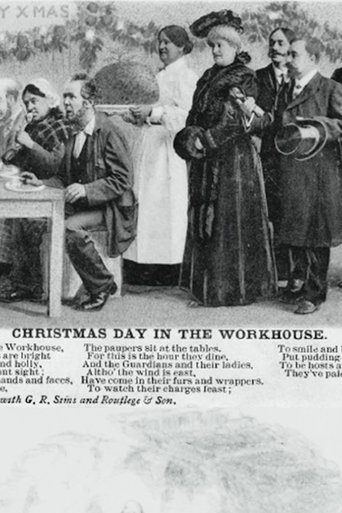
- Appeared as an actor in Christmas Day in the Workhouse (1914), showing his participation in socially conscious early film drama
- Worked during the formative years of the British silent era, when the industry was rapidly expanding its production scale and narrative sophistication
- Maintained a multi-hyphenate career pattern common in early cinema, contributing both as performer and filmmaker
- Left a filmographic footprint that connects him to the development of pre-war and wartime British screen entertainment
Roles
- Performer in Christmas Day in the Workhouse (1914)
Films
- Masks and Faces (1917)
- Christmas Day in the Workhouse (1914)
Notes
- Fred Paul was active in the silent era during the mid-1910s, a time when British cinema was rapidly expanding and experimenting with feature-length drama.
- He is credited both as an actor and as a director, reflecting the multi-tasking nature of early film production.
- His directing credit for Masks and Faces (1917) suggests engagement with theatrical or literary adaptation, a popular silent-era practice.
- His acting credit in Christmas Day in the Workhouse (1914) places him in socially conscious dramatic material typical of the period.
- He is not to be confused with any modern or later namesakes; this Fred Paul is a classic cinema figure from the silent period.
- Like many early British film workers, his personal biography is not extensively documented in mainstream reference sources.
- His surviving credited filmography is brief, which is common for many early cinema personnel whose work was not fully preserved in archival records.
Questions
Who was Fred Paul?
Fred Paul was a British silent-era film actor and director active in the 1910s. He is known for working during the formative years of early British cinema, contributing to both performance and direction.
What films is Fred Paul best known for?
His best-documented credits include directing Masks and Faces (1917) and acting in Christmas Day in the Workhouse (1914). These titles reflect the stage-adaptation and social-drama traditions of early silent British film.
When was Fred Paul born and when did he die?
His birth and death dates are not readily confirmed in surviving standard reference sources. As a result, both his exact birth and death details remain unavailable in this profile.
What awards did Fred Paul win?
No verified awards or major nominations are currently documented for Fred Paul. This is common for many silent-era film workers whose careers predated the modern awards culture.
What was Fred Paul's acting and directing style?
As a silent-era performer, he would have relied on expressive physical acting and clear visual storytelling. As a director, he appears to have worked in the straightforward, adaptation-driven style typical of 1910s British cinema.
What is Fred Paul's legacy in film history?
Fred Paul’s legacy is as one of the many early British cinema craftsmen who helped develop narrative film during the silent period. Even with limited surviving biographical detail, his work contributes to the historical record of how British film matured in the 1910s.