
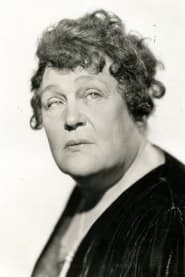
Alison Skipworth
Actor
Born: July 25, 1863 in London, England Died: July 5, 1952 Active: 1880s-1938 Birth Name: Alison Mary Skipworth Groom
Films
4 films
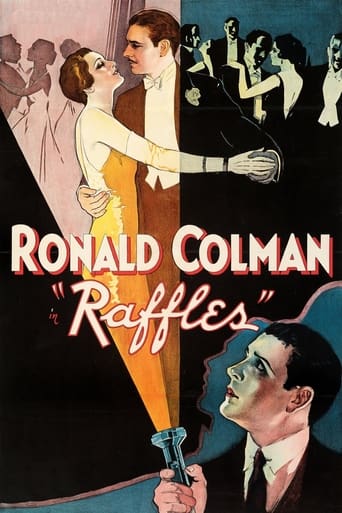
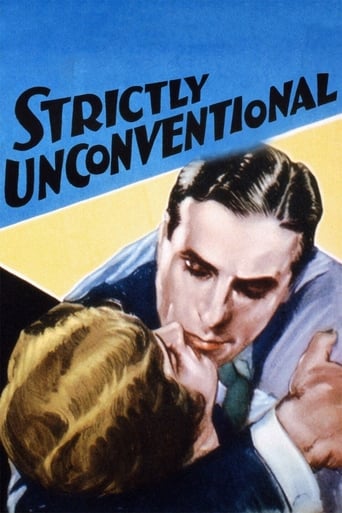
About Alison Skipworth
British character actress who achieved remarkable success in Hollywood during the transition from silent films to talkies. Born into a theatrical family, she began her career on the London stage in the 1880s, building a formidable reputation as a versatile performer before ever appearing on screen. Skipworth made her film debut relatively late in life, transitioning to movies in the early 1930s after decades of stage experience, which gave her performances a depth and authority that younger actors lacked. Her breakthrough in American cinema came through her collaborations with Paramount Pictures, where she specialized in playing formidable, often comically stern aristocratic women and society matrons. Despite her late start in films, she appeared in over 40 movies between 1931 and 1938, working with some of Hollywood's biggest stars including W.C. Fields, Mae West, and Cary Grant. Her role in Becky Sharp (1935) was particularly significant as it was the first full-length feature film in three-strip Technicolor, making her part of cinema history. Skipworth retired from acting in 1938 and spent her remaining years in New York, leaving behind a legacy as one of Hollywood's most memorable character actresses of the 1930s.
The Craft
On Screen
Skipworth was known for her commanding presence and impeccable comic timing, often portraying formidable, aristocratic women with a dry wit and underlying warmth. Her extensive stage background gave her performances a theatrical grandeur that translated well to the screen, particularly in early sound films where diction and projection were crucial. She had a unique ability to balance sternness with vulnerability, creating complex characters that were simultaneously intimidating and endearing. Skipworth's distinctive plummy British accent and regal bearing made her the perfect choice for playing society matrons, governesses, and aristocratic figures.
Milestones
- Stage career in London spanning over 40 years before film work
- Film debut in 'Murder at Midnight' (1931) at age 68
- Starred in 'Becky Sharp' (1935), first full-length Technicolor feature
- Frequent collaborations with W.C. Fields in comedies
- Retired from acting in 1938 after successful film career
Best Known For
Iconic Roles
Must-See Films
Accolades
Special Recognition
- Recognized as one of Hollywood's most character actresses of the 1930s
- Part of cinema history through participation in first full-color feature film
Working Relationships
Worked Often With
Studios
Why They Matter
Impact on Culture
Alison Skipworth played a significant role in bridging the gap between theatrical tradition and early cinema, bringing the gravitas and technique of the Victorian stage to Hollywood's Golden Age. Her participation in 'Becky Sharp' (1935) made her part of a pivotal moment in film history as the first actress to perform in a full-length three-strip Technicolor feature. Skipworth helped establish the archetype of the formidable but loveable British character actress in American cinema, a template that would be followed by actresses like Gladys Cooper and Dame May Whitty. Her success in transitioning from stage to screen at an advanced age demonstrated that character actors could find new careers in talkies, paving the way for other mature performers.
Lasting Legacy
Alison Skipworth's legacy endures through her memorable performances that exemplify the sophistication and wit of Golden Age Hollywood character acting. She represents the generation of classically trained British actors who enriched American cinema with their theatrical traditions and impeccable technique. Her films continue to be studied by film historians as examples of early sound cinema and the evolution of color in motion pictures. Skipworth is remembered for proving that character actors could become stars in their own right, regardless of age or conventional leading lady status.
Who They Inspired
Skipworth influenced subsequent generations of British character actresses in Hollywood, demonstrating that distinctive personality and technical skill could overcome age and appearance limitations in casting. Her success in comedic roles showed that stern, authoritative characters could be sources of humor and audience affection. Her precise diction and vocal technique set standards for dialogue delivery in early sound films, particularly for British actors working in American productions.
Off Screen
Alison Skipworth was married twice, first to a British army officer whose surname she adopted professionally, and later to American playwright and actor Albert Raney. She had no children of her own but was known to be deeply devoted to her nieces and nephews. Skipworth was known for her wit and intelligence off-screen, maintaining a sophisticated salon at her home where she entertained many of Hollywood's literary and theatrical figures. Despite her formidable screen presence, those who knew her personally described her as warm, generous, and possessing a wicked sense of humor.
Education
Educated in London, with early training in elocution and dramatic arts. Received formal theatrical training from various London acting coaches and through practical experience in repertory theatre.
Family
- Frank Markham Skipworth (married 1884, divorced 1894)
- Albert Raney (married 1910, until his death in 1933)
Did You Know?
- Began her film career at age 68 after a 40-year stage career
- Was part of cinema history by appearing in the first full-length Technicolor feature film
- Her distinctive plummy British accent made her a favorite for playing aristocratic characters
- Despite her formidable screen presence, she was only 5'2" tall
- Was a close friend of fellow British actress Dame May Whitty
- Spoke fluent French and often served as interpreter on international film sets
- Never took an acting lesson in her life, learning entirely through practical experience
- Was offered a contract by MGM but turned it down to remain a freelance character actress
- Her stage debut was as a child actress in a production of 'The Merchant of Venice'
- Was an accomplished painter and her works were exhibited in London galleries
In Their Own Words
In the theatre, one learns to project to the back row. In pictures, one must learn to whisper to the camera.
Age is merely a number in this business. What matters is whether you can still make them laugh or cry.
I came to pictures when most actresses were leaving them. It's all a matter of timing, isn't it?
Frequently Asked Questions
Who was Alison Skipworth?
British character actress who achieved fame in Hollywood during the 1930s after a long career on the London stage. She was known for playing formidable, aristocratic women with wit and authority, and appeared in over 40 films during her relatively brief but impactful screen career.
What films is Alison Skipworth best known for?
Titles linked here include Becky Sharp (1935), Murder at the Vanities (1934).
When was Alison Skipworth born and when did she die?
Born July 25, 1863; died July 5, 1952.
What awards did Alison Skipworth win?
While Alison Skipworth did not receive major formal awards during her career, she was widely recognized as one of Hollywood's most character actresses of the 1930s. Her legacy includes being part of cinema history through her participation in the first full-color feature film.
What was Alison Skipworth's acting style?
Skipworth's acting style was characterized by her commanding presence, impeccable comic timing, and precise diction honed through decades of stage experience. She specialized in portraying formidable but endearing aristocratic women, balancing stern authority with underlying warmth and wit.
How did Alison Skipworth transition from stage to film?
Skipworth made the transition to film in her late 60s after a 40-year stage career, bringing with her the gravitas and technique of classical theatre. Her extensive experience made her particularly valuable in early sound films where vocal technique and projection were crucial.
What was Alison Skipworth's role in cinema history?
Skipworth played a significant role in cinema history by appearing in 'Becky Sharp' (1935), the first full-length feature film using three-strip Technicolor. She also helped establish the archetype of the British character actress in Hollywood and demonstrated that mature actors could find success in the new medium of sound films.