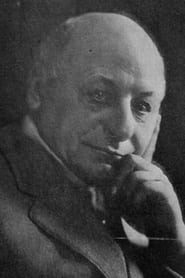
Russell Bassett
Actor
Born: December 24, 1848 in Milwaukee, Wisconsin, USA Died: May 8, 1918 Active: 1911-1918 Birth Name: Russell H. Bassett
Films
2 films
About Russell Bassett
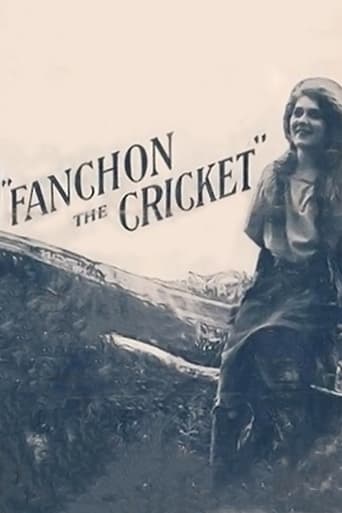
American character actor who successfully transitioned from a long and respected stage career to the burgeoning film industry during the silent era. Born in Milwaukee in 1848, Bassett spent decades honing his craft on the theatrical stage before making his film debut in 1911 at the age of 63, making him one of the older actors to enter the new medium. His theatrical background gave him a commanding presence and gravitas that translated well to the screen, where he often portrayed patriarchs, judges, and other authority figures. Throughout his brief but prolific film career from 1911 to 1918, he appeared in over 70 motion pictures, working with many of the era's prominent directors and studios. His performance in 'Fanchon, the Cricket' (1915) showcased his ability to convey deep emotion through subtle gestures and expressions, a skill honed during his years on the stage. Bassett continued working in films until his death in 1918, leaving behind a legacy as one of the character actors who helped establish the foundation of American cinema.
The Craft
On Screen
Bassett brought a theatrical gravitas and dignity to his film performances, characterized by his commanding presence and ability to convey complex emotions through subtle facial expressions and gestures. His stage training allowed him to project authority and wisdom, making him particularly effective in patriarchal roles. He employed a restrained yet powerful acting style that was well-suited to the silent medium, where every movement and expression carried significant meaning.
Milestones
- Successful transition from stage to film at age 63
- Appeared in over 70 films in just 7 years
- Worked with prominent silent film directors
- Established the archetype of the dignified elderly character in early cinema
- Notable performance in 'Fanchon, the Cricket' (1915)
Best Known For
Iconic Roles
Must-See Films
Accolades
Special Recognition
- Pioneer of American cinema who helped establish character acting in silent films
Working Relationships
Worked Often With
Studios
Why They Matter
Impact on Culture
Russell Bassett represented the bridge between 19th-century theatrical tradition and 20th-century cinema, helping to legitimize film acting by bringing established stage credibility to the new medium. His successful transition demonstrated that serious dramatic actors could find meaningful work in motion pictures, encouraging other stage actors to consider film careers. Bassett's dignified portrayals of elderly characters helped establish important archetypes in American cinema that would influence generations of character actors.
Lasting Legacy
Russell Bassett's legacy lies in his role as one of the character actors of American cinema who helped establish the importance of supporting roles in film narrative. His work demonstrated that actors could successfully transition from stage to screen even at an advanced age, and his dignified performances set a standard for character acting in the silent era. Though largely forgotten today, his contributions to over 70 films helped shape the language of cinematic performance during its formative years.
Who They Inspired
Bassett influenced subsequent generations of character actors by demonstrating how theatrical training could be effectively adapted to the requirements of film acting. His ability to convey authority and wisdom through subtle performances became a model for actors playing similar roles. His career path showed that meaningful film careers could begin at any age, inspiring older actors to embrace the new medium of cinema.
Off Screen
Russell Bassett was married to actress Carrie Swain, with whom he often performed on stage. The couple had one child together. Bassett was known as a dedicated family man who balanced his demanding theatrical career with his home life. He was respected in theatrical circles for his professionalism and dedication to his craft.
Education
Educated in Milwaukee, with additional theatrical training through practical experience in stock companies
Family
- Carrie Swain (married until his death in 1918)
Did You Know?
- Began his film career at age 63, making him one of the oldest actors to enter silent films
- Appeared in over 70 films in just 7 years before his death
- Was a successful stage actor for over 40 years before entering films
- Often played characters much older than his actual age
- His wife Carrie Swain was also a prominent stage actress
- Worked with some of the earliest film production companies in America
- Died in New York City at age 69 while still actively working in films
- His stage experience made him particularly adept at the exaggerated expressions required in silent films
- Was part of the first generation of actors to help establish film as a legitimate acting medium
- Many of his films are now lost, as was common with early silent cinema
In Their Own Words
The stage teaches you discipline, but film teaches you subtlety - I've been fortunate to learn both.
Age is no barrier to art. The camera sees truth, not wrinkles.
In silence, the actor's face must speak volumes - that is the challenge and beauty of our craft.
Frequently Asked Questions
Who was Russell Bassett?
American character with credits in this catalog. He appeared in over 70 films between 1911 and 1918, often playing patriarchal and authority figures with great dignity and gravitas.
What films is Russell Bassett best known for?
Titles linked here include Fanchon, the Cricket (1915), The Battle Cry of Peace (1915).
When was Russell Bassett born and when did he die?
Born December 24, 1848; died May 8, 1918.
What awards did Russell Bassett win?
During the silent era when Russell Bassett was active, the Academy Awards had not yet been established (the first Oscars were in 1929). He received recognition through his prolific work and respected status in the industry rather than formal awards.
What was Russell Bassett's acting style?
Bassett brought theatrical gravitas to his film performances, characterized by commanding presence and subtle emotional expression. His stage training allowed him to project authority and wisdom, making him particularly effective in patriarchal roles using a restrained yet powerful style suited to silent films.