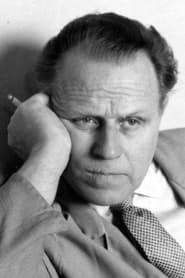
Vjekoslav Afrić
Actor
Born: August 21, 1906 in Mostar, Austria-Hungary (now Bosnia and Herzegovina) Died: July 13, 1980 Active: 1937-1970
Films
1 film
About Vjekoslav Afrić
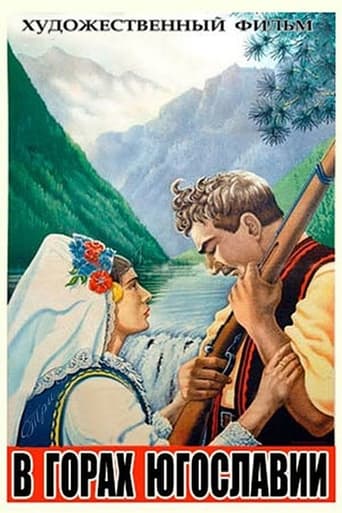
Yugoslav actor, director, and screenwriter who in the development of post-war Yugoslav cinema. Born in 1906 in what was then Austria-Hungary, he began his artistic career in theater before transitioning to film. During World War II, he joined the partisan resistance movement, which profoundly influenced his later work. His 1946 film 'In the Mountains of Yugoslavia' (U planinama Jugoslavije) was one of the first major Yugoslav war films and established him as a significant figure in national cinema. Throughout his career, Afrić directed numerous films that reflected socialist realism and the ideological values of post-war Yugoslavia. He continued working as both actor and director through the 1950s and 1960s, contributing to over 30 films. His work often focused on themes of resistance, liberation, and the struggles of ordinary people during wartime, making him an important chronicler of Yugoslav history through cinema.
The Craft
On Screen
Naturalistic and grounded, with a focus on portraying ordinary people in extraordinary circumstances. His performances emphasized authenticity and emotional truth, often reflecting the struggles and resilience of the common man during wartime.
Milestones
- Directed 'In the Mountains of Yugoslavia' (1946)
- Pioneered post-war Yugoslav cinema
- Member of Yugoslav partisan resistance during WWII
- Directed 'The Great and the Small' (1956)
- Acted in over 20 films
- Founded the first film studio in post-war Yugoslavia
Best Known For
Iconic Roles
Must-See Films
Accolades
Won
- AVNOJ Award for contributions to Yugoslav culture
- Yugoslav Film Festival Golden Arena for Lifetime Achievement
Nominated
- Cannes Film Festival Palme d'Or nomination for 'The Great and the Small' (1956)
Special Recognition
- Order of the People's Hero of Yugoslavia
- Order of the Republic with Golden Wreath
- Commemorative Medal of the Partisans of 1941
Working Relationships
Worked Often With
Studios
Why They Matter
Impact on Culture
Vjekoslav Afrić was instrumental in establishing the foundation of post-war Yugoslav cinema, creating a national film language that balanced artistic expression with socialist ideology. His films helped shape the collective memory of World War II in Yugoslavia and contributed to the construction of a unified Yugoslav identity through cinema. As one of the first generation of Yugoslav film directors, he mentored numerous filmmakers who would later achieve international recognition, establishing a tradition of socially conscious cinema in the region.
Lasting Legacy
Afrić's legacy endures through his role in Yugoslav cinema and his influence on subsequent generations of Balkan filmmakers. His films remain important historical documents of the post-war period and continue to be studied for their artistic and cultural significance. The themes he explored - resistance, liberation, and the human cost of war - continue to resonate in contemporary Balkan cinema.
Who They Inspired
Afrić influenced the development of Yugoslav 'Partisan film' genre and inspired directors like Emir Kusturica and Goran Paskaljević to explore themes of war and national identity. His documentary-style approach to narrative filmmaking prefigured the Yugoslav New Wave of the 1960s, and his emphasis on authentic locations and non-professional actors became hallmarks of regional cinema.
Off Screen
Afrić was deeply involved in the partisan resistance movement during World War II, which shaped both his personal philosophy and artistic vision. He was married to fellow actress and collaborator Mira Nikolić, with whom he frequently worked on film projects. His wartime experiences as a resistance fighter became the foundation for many of his films, particularly those dealing with the liberation struggle. He was known for his political commitment to socialist ideals and was an active member of the Communist Party of Yugoslavia.
Education
Studied at the Academy of Dramatic Arts in Zagreb before moving to Belgrade to pursue film work
Family
- Mira Nikolić (1946-1980)
Did You Know?
- Was an active member of the Yugoslav partisan resistance during WWII
- His 1946 film was shot on location in actual mountain battlegrounds
- Often used real partisans as extras in his war films
- Was one of the first Yugoslav directors to receive state funding for films
- His films were banned in some Western countries during the Cold War
- Spent time in Soviet Union studying film techniques in the 1930s
- Wrote most of his own screenplays
- Was a founding member of the Yugoslav Film Archive
- His personal film collection was destroyed during the NATO bombing of Yugoslavia in 1999
- Was fluent in five languages: Serbo-Croatian, Slovene, Macedonian, Russian, and German
In Their Own Words
Cinema must serve the people and their struggle for freedom
Every frame of film should carry the weight of truth
We don't make movies for entertainment, we make them to remember
The camera is our weapon against forgetting
In the mountains, we found both our freedom and our story
Frequently Asked Questions
Who was Vjekoslav Afrić?
Yugosl actor, on YTB.my. He was best known for his 1946 film 'In the Mountains of Yugoslavia' and his contributions to the partisan film genre.
What films is Vjekoslav Afrić best known for?
Titles linked here include In the Mountains of Yugoslavia (1946), The Great and the Small (1956).
When was Vjekoslav Afrić born and when did he die?
Born August 21, 1906; died July 13, 1980.
What awards did Vjekoslav Afrić win?
He received the AVNOJ Award for contributions to Yugoslav culture, the Yugoslav Film Festival Golden Arena for Lifetime Achievement, and was honored with the Order of the People's Hero of Yugoslavia and the Order of the Republic with Golden Wreath.
What was Vjekoslav Afrić's directing style?
Afrić employed a socialist realist approach with documentary-like realism, often shooting on location in natural settings. His films featured ensemble casts and focused on historical accuracy while conveying socialist ideological messages about resistance and liberation.