
Films
2 films
About Louise Willy
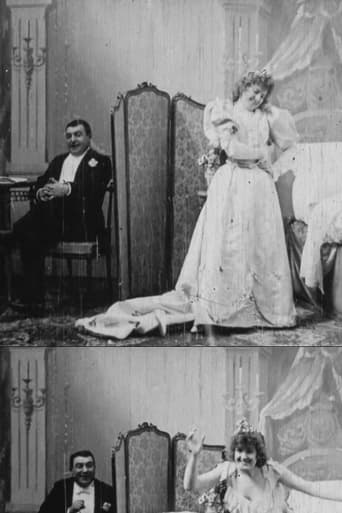
French actress who emerged during the birth of cinema in the late 19th century. She gained historical significance for her performance in 'Le Coucher de la Mariée' (Bedtime for the Bride) in 1896, one of the earliest known erotic films produced during cinema's infancy. Working during the experimental phase of filmmaking, Willy was among the very first performers to appear in moving pictures, a time when acting for the camera was still being defined as an art form. Her the crucial decade when cinema evolved from novelty to narrative medium, though detailed records of her complete filmography remain scarce due to the archival challenges of this era. Willy's work represents the bold and experimental nature of early French cinema, which often pushed boundaries that would later become more restricted. Though her career was relatively brief, her contributions to early film history are significant as they document the emergence of cinema as both entertainment and art form during its formative years.
The Craft
On Screen
As an actress during cinema's absolute infancy, Louise Willy's acting style would have been influenced by theatrical traditions of the 19th century, adapted for the new medium of film. Early cinema actors typically used exaggerated gestures and expressions to compensate for the limitations of silent film technology, and Willy's performances in the few surviving records suggest she embodied this transitional style. Her work in early erotic and fantasy films required a boldness that was characteristic of the experimental nature of cinema, where boundaries were still being tested and established.
Milestones
- Starred in 'Le Coucher de la Mariée' (1896), one of cinema's earliest erotic films
- Appeared in early fantasy films during cinema's first decade
- Worked during the era of French cinema
- Participated in the transition from novelty films to narrative cinema
Best Known For
Iconic Roles
Must-See Films
Why They Matter
Impact on Culture
Louise Willy holds a significant place in cinema history as one of the first actresses to appear in erotic films, a genre that has persisted throughout cinema's evolution. Her performance in 'Le Coucher de la Mariée' represents an early example of how cinema quickly explored themes of sexuality and intimacy, setting precedents for future filmmakers. The film itself became historically important not only for its content but also for its role in demonstrating cinema's potential to address adult themes, influencing how subsequent filmmakers approached similar subject matter. Willy's work during this foundational decade contributed to the establishment of cinema as a medium capable of addressing complex human experiences and emotions.
Lasting Legacy
Louise Willy's legacy is primarily preserved through her participation in some of cinema's earliest surviving works, making her an important figure in film history scholarship. As one of the first women to perform in moving pictures, she represents the generation of actors who helped establish the art of film performance. Her work in early erotic films has made her a subject of study for film historians examining the evolution of censorship, sexuality in cinema, and the development of film as an artistic medium. While not a household name like later silent era stars, Willy's contributions to the earliest years of cinema make her an essential figure in understanding how film acting and storytelling developed from their theatrical origins into a distinct art form.
Who They Inspired
As one of cinema's earliest performers, Louise Willy influenced subsequent generations of actors simply by helping establish the conventions of film performance during its formative years. Her willingness to appear in controversial subject matter during the 1890s helped pave the way for future performers to tackle challenging roles and themes. The technical and artistic challenges faced by actors of her generation - performing without sound, adapting theatrical techniques for the camera, working with primitive equipment - created a foundation that later silent era stars would build upon and refine.
Off Screen
Very little is documented about Louise Willy's personal life, which is common for performers from the earliest era of cinema. Many biographical details from this period have been lost to time due to inadequate record-keeping and the ephemeral nature of early film industry documentation. As a French actress working during the 1890s and early 1900s, she would have been part of the theatrical and entertainment culture of fin de siècle France, a period known for its artistic experimentation and changing social mores.
Did You Know?
- 'Le Coucher de la Mariée' (1896) was one of the first erotic films ever made and ran approximately 1 minute
- The film was considered scandalous for its time and was often shown in private screenings or brothels
- Early erotic films like those featuring Louise Willy were sometimes called 'smokers' or 'stag films'
- Very few of Willy's films survive today, which is common for works from the 1890s
- The 1896 film was directed by Albert Kirchner under the pseudonym 'Léar'
- Early French cinema was at the forefront of film innovation during Willy's career
- Actresses from this era often came from theatrical backgrounds, as film acting had not yet developed its own techniques
- The film industry was so new in 1896 that most performers were considered experimental pioneers rather than established stars
Frequently Asked Questions
Who was Louise Willy?
French actress who worked during the birth of cinema in the late 1890s and early 1900s. She is best known for starring in 'Le Coucher de la Mariée' (1896), one of the earliest erotic films ever made, making her one of the first performers to appear in controversial subject matter on film.
What films is Louise Willy best known for?
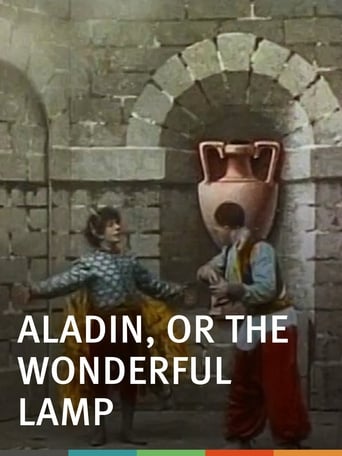
Titles linked here include Le Coucher de la Mariée (Bedtime for the Bride) (1896), Aladdin and His Wonder Lamp (1906).
When was Louise Willy born and when did she die?
Specific birth and death dates for Louise Willy are not documented in historical records, which is common for performers from cinema's earliest period. She was active as an actress from 1896 to 1906, and was of French nationality, working during the foundational decade of cinema history.
What awards did Louise Willy win?
Louise Willy did not receive any formal awards or honors during her career, as the film industry's award systems had not yet been established during the 1890s and early 1900s. The Academy Awards would not be created until 1929, well after her active period in film.
What was Louise Willy's acting style?
Louise Willy's acting style would have been characteristic of the transitional period from theater to film, featuring the exaggerated gestures and expressions common in early cinema. As one of the first film actors, she helped establish how theatrical performance could be adapted for the camera during the medium's experimental infancy.