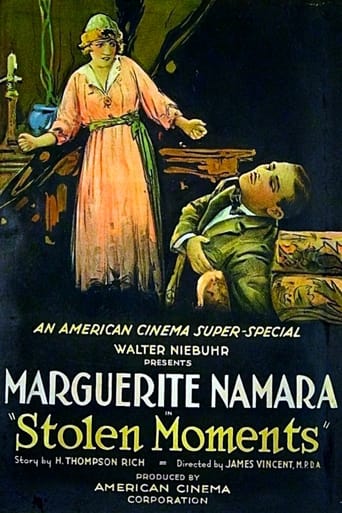
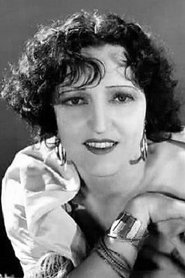
Marguerite Namara
Actor
- Born
- June 11, 1886, Sydney, New South Wales, Australia
- Died
- December 18, 1974
- Active
- c. 1900s-1920s
Films 1
About Marguerite Namara
Marguerite Namara was an Australian-born soprano, stage performer, and occasional screen actress whose career was rooted primarily in musical theatre and concert performance rather than motion pictures. She is credited on film records for appearing in the silent feature Stolen Moments (1920), which places her briefly within early Hollywood film history during the transitional period when many stage artists were being drawn to the screen. Namara was better known to contemporaries for her work as a singer and recitalist, a field in which she built a reputation through opera, operetta, and concert engagements in Australia, Britain, and the United States. Her screen presence was therefore an extension of an established performing career, reflecting the common early-cinema pattern of importing stage talent for prestige and musical appeal. Because surviving film documentation on her cinematic work is limited, her importance to classic cinema is largely archival and contextual rather than based on a large body of films. She remains of interest to historians as an example of a cross-over entertainer whose fame primarily came from the stage but who also left a trace in silent film history. Much of what is known about her life emphasizes her musical accomplishments and international career rather than an extensive Hollywood filmography.
More about Marguerite Namara
On screen
As a screen performer, Namara would have been shaped by her stage background, suggesting a refined, expressive, and presentational style suitable to silent-era acting. Her performance approach was likely influenced by musical theatre discipline, with emphasis on poise, gesture, and visual clarity rather than highly naturalistic film acting. Surviving records do not preserve enough detailed criticism of her screen work to allow a more precise stylistic description.
In film history
Marguerite Namara’s cultural significance lies in her role as a transnational entertainment figure from the era when singers and stage celebrities frequently crossed into film. She represents an important but often overlooked category of early cinema performer: the established live artist whose screen appearances were brief yet historically revealing. Her presence in Stolen Moments adds to the understanding of how silent films drew upon theatrical and musical talent to attract audiences and confer sophistication. As an Australian-born performer with an international career, she also contributes to the history of global talent circulation in the early twentieth-century entertainment industry.
Later reputation
Namara’s legacy in film history is modest but meaningful, preserved mainly through film credit databases, theater histories, and archival records rather than through a large surviving film corpus. She is remembered less as a movie star than as a distinguished stage artist who briefly entered the silent film world, making her a representative figure of early crossover entertainment. For historians, she helps illustrate the porous boundary between stage and screen in the 1910s and 1920s, when vocal performers, even in silent pictures, brought prestige and name recognition to productions. Her surviving credit in Stolen Moments ensures that she remains part of the documented history of silent cinema.
Influence
Her influence was indirect rather than broad-based within film acting. By moving from stage and concert performance into silent cinema, she exemplified a pathway later followed by many performers who transitioned across media as entertainment industries evolved. Her career helped reinforce the early film industry's habit of borrowing talent from opera and theater, thereby shaping expectations for screen presence and celebrity. While she is not known as a major influence on a specific school of acting, she remains an instructive example for studies of intermedial performance in the silent era.
Off screen
Marguerite Namara was known primarily as a stage and concert performer, and available historical references focus more on her professional life than on extensive personal biography. She married and used the surname Namara professionally; however, surviving mainstream film references do not consistently preserve detailed family information. Her life was associated with transnational performance circuits, moving between Australia, Europe, and the United States as her career developed. Because she was not primarily a Hollywood star, fewer studio-era personal details were publicized than would be typical for a major screen actress.
Education
Formal education details are not consistently documented in the surviving film and entertainment references available for her; her professional development appears to have been rooted in musical training and stage experience.
Credits
- Established a career as a soprano and theatrical performer in Australia before gaining wider international recognition
- Performed extensively in opera, operetta, concerts, and stage productions in Britain and the United States
- Appeared in the silent film Stolen Moments (1920), her best-known screen credit
- Built a reputation as a polished stage artist whose profile extended beyond the concert hall into early cinema culture
- Represented the type of crossover performer frequently recruited by early film studios to lend sophistication and audience appeal
Roles
- Role in Stolen Moments (1920)
Films
- Stolen Moments (1920)
Studios
- Independent and stage-to-screen production circles rather than a long-term major-studio association
Family
- Information on spouse(s) is inconsistently documented in surviving classic-cinema reference sources
Notes
- She is best remembered today for a single surviving film credit rather than for an extensive screen career.
- Namara’s main reputation in her own era was as a soprano and stage artist, not as a film actress.
- She was part of a generation of performers who moved fluidly between concert halls, opera houses, theaters, and motion pictures.
- Her appearance in Stolen Moments (1920) places her within the silent-film period at a time when many classically trained performers were adapting to cinema.
- As an Australian-born artist, she contributed to the international profile of Australian performers working abroad in the early twentieth century.
- Her surviving film record is comparatively sparse, making her a more specialized figure for archival researchers than for general film audiences.
- She illustrates how many early screen performers had careers that were far more diverse than a simple filmography suggests.
- Her name continues to appear in film reference resources because of the intersection of stage history and silent-era cinema.
Questions
Who was Marguerite Namara?
Marguerite Namara was an Australian-born soprano and stage performer who also appeared in the silent film Stolen Moments (1920). She is remembered more for her musical and theatrical career than for a large body of screen roles.
What films is Marguerite Namara best known for?
Her best-known and most consistently cited film credit is Stolen Moments (1920). Surviving records do not indicate a large filmography, so her reputation in film history rests largely on that single silent-era appearance.
When was Marguerite Namara born and when did she die?
She was born on June 11, 1886, in Sydney, New South Wales, Australia, and died on December 18, 1974. Most of her career was spent in stage and concert performance rather than in film.
What awards did Marguerite Namara win?
No major awards or formal honors are consistently documented in the available classic-cinema references for Marguerite Namara. Her recognition appears to have come mainly from professional esteem as a singer and stage performer.
What was Marguerite Namara's acting style?
Because she came from a stage and musical background, her screen performance would have emphasized poise, gesture, and expressive visual communication. Silent-era acting often rewarded performers with strong stage presence, and her background would have suited that style well.
What is Marguerite Namara's legacy in film history?
Her film legacy is modest but historically useful: she represents the kind of accomplished stage artist who briefly entered silent cinema. For historians, she helps show how early film borrowed prestige and talent from opera and theater.
Did Marguerite Namara work mainly in Hollywood?
No. Her career was primarily international and stage-based, with work in Australia, Britain, and the United States. Her film involvement appears to have been limited compared with her broader performing career.