Also available on: Archive.org
Stolen Moments

Stolen Moments

1920 United States
Romantic vulnerabilitySeduction and manipulationMoral dangerDesire and temptationFemale innocence under pressure

Plot

Vera Blaine is a passionate young woman in the deep South whose romantic idealism makes her vulnerable to manipulation. She becomes the target of José Dalmarez, a dangerous and calculating man who exploits her emotions and circumstances to win her trust. As the story develops, Vera is drawn into a tense web of seduction, jealousy, and social danger, with the film emphasizing the moral and emotional consequences of misplaced trust. The drama builds around whether Vera can recover her sense of self before Dalmarez's influence destroys her happiness and reputation.

About the Production

Release Date 1920
Production Universal Film Manufacturing Company
Filmed In United States

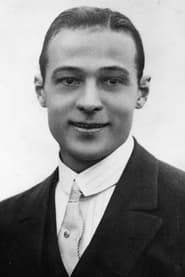
Stolen Moments was a silent-era Universal production directed by James Vincent and released in 1920, during the peak period of star-driven melodramas built around romantic tension and moral peril. The film is notable today primarily because it features Rudolph Valentino in a supporting role before his rise to international stardom, making it of special interest to historians of his early screen career. Like many films of its era, detailed production records such as budget, specific studio stages, and exact location work are not widely documented in surviving sources, which is typical for early Universal releases. The film was made in the context of the studio's rapid production system, where feature films were turned out efficiently to meet strong demand for melodrama and romance in the post-World War I market.

Historical Background

Stolen Moments was made in 1920, in the immediate aftermath of World War I, when American cinema was rapidly consolidating its dominance in the global film market. Silent features of this era often centered on romance, temptation, and moral conflict, reflecting both Victorian storytelling traditions and the increasingly modern, emotionally direct style of popular screen drama. The film emerges from a period when Hollywood studios were standardizing production and cultivating stars as a major selling point, with actors like Valentino becoming cultural phenomena. Its existence also reflects the transitional state of film preservation: many early features survive only in incomplete form or not at all, making each documented title important for understanding the era's output.

Why This Film Matters

Although not among the most famous silent films, Stolen Moments is culturally significant as part of the body of early 1920s melodramas that helped shape audience expectations for romantic drama on screen. Its association with Rudolph Valentino gives it added historical value, since even small supporting roles in his early career are studied for insight into the development of his screen persona and the industrial conditions that launched him. The film also exemplifies how silent cinema explored gender, desire, and vulnerability through heightened visual storytelling rather than dialogue. For modern viewers and archivists, it serves as a representative artifact of the Universal studio system and the popular tastes that sustained American silent cinema before the transition to sound.

Making Of

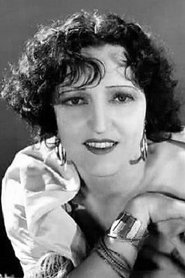
Stolen Moments was produced at a time when Universal Film Manufacturing Company was releasing large numbers of features designed for broad popular appeal, especially romances and morality dramas. The casting of Marguerite Namara suggests an attempt to bring a performer with stage presence and vocal prestige, even though silent films could not use her voice directly. Rudolph Valentino's participation is especially noteworthy because it places him in a production that predates his full emergence as one of the defining idols of silent cinema. As with many films of the period, the surviving behind-the-scenes record is limited, so many details about rehearsals, production schedule, and set design have not been preserved in reliable form.

Visual Style

As a silent melodrama from 1920, the film would have relied on expressive staging, close attention to gesture, and intertitle-supported narrative clarity. The visual style likely emphasized emotional contrasts through composition, costume, and performance rather than elaborate camera movement, in keeping with the production norms of the period. Silent-era cinematography in this kind of film often used strong framing to highlight relationships and power dynamics between characters, particularly in scenes of seduction or threat. Specific camerawork details are not widely documented, but the film fits the general visual grammar of early Universal dramas.

Innovations

No specific technical innovations are widely credited to this film in surviving documentation. Its importance lies more in its place within the standardized yet still artistically expressive silent-era production system than in any known breakthrough. Like many films of the period, it likely depended on performance, set construction, and intertitle timing to communicate narrative nuance efficiently. If surviving elements exist, their value is primarily historical and preservational rather than technological.

Music

As a silent film, Stolen Moments did not have an original synchronized recorded soundtrack. It would originally have been presented with live musical accompaniment in theaters, typically selected or improvised by house musicians using cue sheets, stock music, or local performance practice. No standardized original score is widely documented in surviving sources. Modern presentations, if available, may use newly commissioned accompaniment or archival-style piano and ensemble scoring.

Memorable Scenes

  • Vera Blaine's emotional vulnerability is established through the film's opening Southern atmosphere and her romantic temperament, setting up the central danger of José Dalmarez's influence.
  • The scenes in which José Dalmarez exerts his charm and manipulation over Vera are the dramatic core of the film, dramatizing seduction as both emotional and moral threat.

Did You Know?

  • This is a 1920 silent film and should not be confused with later films or shorts with the same title.
  • Rudolph Valentino appears in the cast, making the film of interest to collectors and historians focused on his pre-fame or early fame period.
  • The film is directed by James Vincent, a filmmaker whose work is less widely remembered than the stars associated with the production.
  • Marguerite Namara, a singer and stage performer as well as an actress, plays the leading role of Vera Blaine.
  • The film belongs to the melodramatic romance tradition common in American silent cinema of the late 1910s and early 1920s.
  • Because it is a silent film from 1920, no synchronized soundtrack or spoken dialogue survives as part of the original release format.
  • Surviving documentation for many Universal films of this period is fragmentary, so precise production details are often incomplete.
  • The story's Southern setting and atmosphere fit a popular silent-era pattern of exoticized regional melodrama and emotional conflict.

What Critics Said

Contemporary critical reception is not well documented in the surviving record available for this title, and detailed reviews are difficult to verify. Like many modestly promoted silent melodramas, it likely received coverage focused on its story, performances, and emotional appeal rather than on formal innovation. In retrospect, interest in the film is driven more by film history and cast significance, especially Valentino's involvement, than by a strong established critical canon. Modern appraisal tends to treat it as an obscure but worthwhile example of early Universal-era romantic drama and as a film of archival importance.

What Audiences Thought

Specific audience-response data such as admissions figures or fan letters is not readily available for this film. However, the cast and genre suggest it was intended for mainstream spectators who enjoyed emotionally charged romance and melodramatic conflict. Valentino's presence would later have made any surviving prints or publicity of heightened interest to fans and collectors, even if that interest far exceeds the original public profile of the picture. Today, audience reception is largely shaped by historical curiosity, silent-film fandom, and the desire to see early appearances by major screen personalities.

Film Connections

Influenced By

  • Stage melodrama traditions
  • Early 20th-century romantic dramas
  • Silent-era morality plays
  • Popular magazine fiction and serialized storytelling

This Film Influenced

  • Later silent melodramas with Southern settings
  • Pre-Code romantic dramas centered on manipulation and desire
  • Early star vehicles for Latin lover typecasting associated with Rudolph Valentino

Film Restoration

The preservation status is uncertain in widely accessible modern references; the film is obscure and may survive only incompletely or not be easily available in circulating prints. It is the kind of early silent feature that is often discussed in archival and historical databases but is not commonly seen by general audiences. If elements survive, they are not broadly circulated as a standard restored feature in the way that major canonical silent films are. For practical viewing purposes, it should be treated as a rare or difficult-to-access title.

Themes & Topics