Sepp Allgeier
Actor
- Active
- 1920-1920
- Birth name
- Josef Sepp Allgeier
Films 1
About Sepp Allgeier
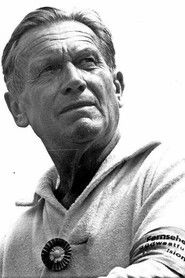
Sepp Allgeier was a German cinematographer and filmmaker associated with the silent-era mountain film tradition, and he is sometimes misidentified in secondary sources as an actor because of his appearance in early film-related records. He is best known not as a performer but as a cameraman and visual specialist whose work helped define the outdoor, alpine aesthetic of Weimar cinema. Allgeier was closely connected to the circle around Arnold Fanck and contributed to films that showcased skiing, mountaineering, and dramatic landscape photography, including work linked to Das Wunder des Schneeschuhs (1920). His career belongs to the formative years of German adventure and nature filmmaking, when technical ingenuity and location shooting were essential to the look of the films. Because of the overlap between crew and cast credits in surviving silent-era documentation, his name can appear in contexts that make his exact screen role difficult to reconstruct with certainty. He remained an important behind-the-camera figure in early German cinema, even though he was not primarily known as an actor. Surviving records about his private life are limited, and many standard biographical databases emphasize his cinematographic rather than acting contributions.
More about Sepp Allgeier
In film history
Sepp Allgeier belongs to the foundational generation of technicians who helped turn the Alpine landscape into one of the great visual subjects of early German cinema. His work is part of the mountain-film tradition that emphasized physical action, natural spectacle, and the expressive power of real locations over studio-bound artifice. This aesthetic became highly influential in Weimar-era filmmaking and helped shape the visual vocabulary of sports, adventure, and nature documentaries that followed. Even where his name is less familiar to general audiences, his role reflects the importance of cameramen in crafting the look and emotional force of silent cinema.
Later reputation
Allgeier's lasting legacy lies in his contribution to the technical and aesthetic development of German silent film, especially the mountain-film genre. He represents the often-overlooked creative labor of cinematographers whose innovations made early location filmmaking possible under extremely difficult conditions. For film historians, his name is associated with the visual culture of alpine cinema and the broader experimentation that distinguished Weimar-era film production. Although not widely remembered as a screen actor, he remains significant to the history of classic cinema through his behind-the-camera influence.
Influence
Allgeier influenced the visual tradition of outdoor and mountain cinematography by helping establish methods for filming in harsh natural environments with a strong emphasis on realism and spectacle. His work contributed to a style that later filmmakers admired for its physical immediacy and dramatic use of landscape. The mountain-film movement itself affected adventure cinema, sports imagery, and documentary practices in Europe, and Allgeier was part of the technical base that made that movement possible.
Off screen
Very little reliably documented information survives in widely available references about Sepp Allgeier's personal life, family background, marriages, or private relationships. Standard classic-film sources generally focus on his technical and collaborative work rather than biographical details. Because of this, his personal history remains largely obscure outside specialist scholarship and archival film references.
Education
No reliably documented educational background is widely available in standard film references.
Credits
- Associated with the early German mountain film movement and the visual style of alpine adventure cinema
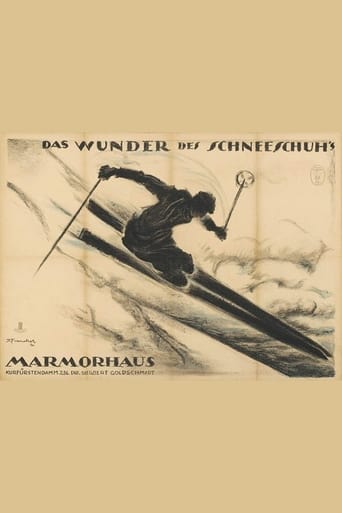
- Connected with Das Wunder des Schneeschuhs (1920), one of the titles linked to his early film activity
- Contributed to the development of outdoor location photography in silent German cinema
- Worked in a period when technical filming in snow, ice, and mountain terrain required specialized camera skill
- Became part of the broader visual tradition that influenced later nature and sports cinematography
Films
- Das Wunder des Schneeschuhs (1920)
Collaborators
- Arnold Fanck
- Other filmmakers associated with German mountain and location cinema
Notes
- Sepp Allgeier is more accurately remembered as a cinematographer than as an actor.
- His name is associated with the German mountain film tradition, a distinctive genre of the silent era.
- He worked during a period when filming in snow and on mountains required exceptional technical skill.
- Credits from the silent era can be inconsistent, which is one reason he may appear in actor-related listings.
- Das Wunder des Schneeschuhs is one of the titles linked to his early film activity.
- His career reflects the importance of camera operators in shaping the artistry of silent films.
- He is part of the broader visual legacy of Weimar cinema's outdoor adventure productions.
Questions
Who was Sepp Allgeier?
Sepp Allgeier was a German filmmaker best known as a cinematographer associated with the silent-era mountain film tradition. He is sometimes listed in connection with acting records, but his historical importance lies primarily behind the camera.
What films is Sepp Allgeier best known for?
He is most closely associated with Das Wunder des Schneeschuhs (1920) and with the broader body of Alpine and mountain films of the early 1920s. His reputation comes from contributing to the visual style of location-based German silent cinema.
When was Sepp Allgeier born and when did he die?
Reliable birth and death dates are not readily confirmed in standard publicly available references. Because of that, his exact lifespan is often left unspecified in general film databases.
What awards did Sepp Allgeier win?
No widely documented major awards or formal honors are readily associated with Sepp Allgeier in the standard classic-film record. His significance is historical and technical rather than award-based.
What was Sepp Allgeier's style?
His work is associated with realistic outdoor photography, especially the difficult visual conditions of mountains, snow, and alpine terrain. The style emphasizes natural spectacle, physical movement, and the dramatic presence of landscape.
Why is Sepp Allgeier important in film history?
He is important as part of the generation of technicians who helped define the look of German silent adventure cinema. His work contributed to the mountain-film tradition, which became influential in the visual development of European filmmaking.