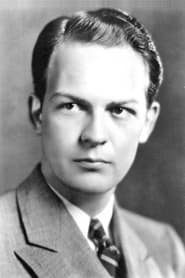
Don Dillaway
Actor
Born: March 24, 1903 Died: February 18, 1982 Active: 1932-1932 Birth Name: Donald Dillaway
Films
2 films
About Don Dillaway
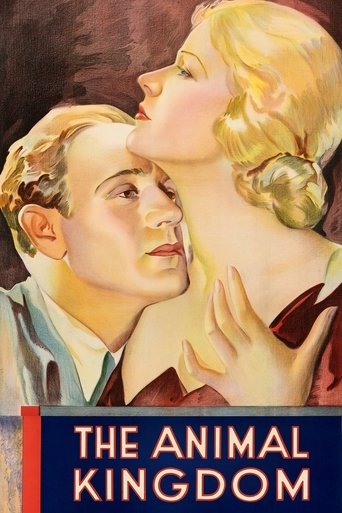
Donald Dillaway, known professionally as Don Dillaway, was an American actor who had a brief but notable career during the early sound era of Hollywood. Born in 1903, Dillaway entered the film industry just as the transition from silent films to talkies was transforming cinema. His most prominent work came in 1932, a year that saw him appear in several significant productions including the acclaimed drama 'The Animal Kingdom' starring Leslie Howard and Ann Harding. In addition to this notable film, Dillaway also appeared in other 1932 releases such as 'The Strange Love of Molly Louvain' with Ann Dvorak, 'The Cabin in the Cotton' featuring Richard Barthelmess and Bette Davis, 'The Match King' starring Warren William, and 'Night World' with Boris Karloff. Despite appearing in multiple films during this peak year, Dillaway's acting career was relatively short-lived, with most of his known work concentrated in this single year. His roles were typically supporting parts, and while he worked with some of the era's biggest stars, he never achieved leading man status. After his brief stint in Hollywood, Dillaway seemingly stepped away from the film industry, leaving behind a small but interesting filmography that captures a specific moment in early 1930s cinema.
The Craft
On Screen
Based on his limited filmography, Don Dillaway appeared to be a character actor who filled supporting roles in ensemble casts. His performances were typical of the early sound era, with actors transitioning from theatrical stage techniques to the more naturalistic style required by film. As a supporting actor, he likely provided necessary exposition and character development to advance the plots of the films he appeared in.
Milestones
- Appeared in 'The Animal Kingdom' (1932) starring Leslie Howard and Ann Harding
- Worked with major stars of the early 1930s including Bette Davis in 'The Cabin in the Cotton'
- Had multiple film releases in his single active year of 1932
- Appeared in pre-Code Hollywood films during a transitional period in cinema
Best Known For
Iconic Roles
Must-See Films
Working Relationships
Studios
Why They Matter
Impact on Culture
Don Dillaway's cultural impact is minimal due to his brief career and supporting roles. However, as an actor who worked during the pre-Code era of Hollywood (1930-1934), he participated in films that pushed boundaries of content and themes before the enforcement of the Hays Code. His appearances in films like 'The Animal Kingdom' and 'The Cabin in the Cotton' place him within a historically significant period of American cinema when filmmakers were exploring more adult themes and social issues. While not a major star, Dillaway contributed to the ensemble casts that brought these important early sound films to life.
Lasting Legacy
Don Dillaway's legacy is that of a representative example of the many supporting actors who populated Hollywood films during the early sound era. His filmography, though brief, captures a specific moment in cinema history when the industry was rapidly evolving and many actors were finding their place in this new medium. For film historians and enthusiasts of classic cinema, Dillaway represents the journey of countless performers who had their moment in the spotlight during Hollywood's golden age but did not achieve lasting fame. His work survives as part of the historical record of early 1930s American cinema.
Who They Inspired
There is no documented evidence of Don Dillaway influencing other actors or directors, likely due to his brief career and supporting roles. As a minor character actor who appeared in only a handful of films during a single year, his impact on the craft of acting or on subsequent generations of performers appears to be minimal. His influence is primarily historical rather than artistic, serving as an example of the many actors who contributed to early Hollywood films without achieving lasting recognition or mentorship roles.
Off Screen
Very little is publicly documented about Don Dillaway's personal life outside of his brief film career. Born Donald Dillaway in 1903, he lived until 1982, passing away at the age of 78. Details about his family background, education, or life before and after his film career are not widely available in historical records. His brief appearance in Hollywood during the early 1930s suggests he may have been among the many actors who tried their hand at film during this transitional period but did not achieve lasting fame or a sustained career in the industry.
Did You Know?
- Don Dillaway's entire known filmography is concentrated in the single year of 1932
- He appeared in 'The Cabin in the Cotton' which featured Bette Davis in one of her early important roles
- His film 'The Animal Kingdom' was based on a popular play by Philip Barry
- Despite working with major stars of the era, he never achieved leading man status
- His career coincided with the pre-Code era of Hollywood, before strict censorship was enforced
- He appeared in five films in 1932 but seemingly had no film credits before or after this year
- His real name was Donald Dillaway, with 'Don' being his professional name
- He worked for multiple major studios during his brief career including RKO, Warner Bros., and MGM
Frequently Asked Questions
Who was Don Dillaway?
American with credits in this catalog. His real name was Donald Dillaway, and he is best known for his appearance in the 1932 film 'The Animal Kingdom' starring Leslie Howard and Ann Harding.
What films is Don Dillaway best known for?
Titles linked here include The Animal Kingdom (1932), The Cabin in the Cotton (1932).
When was Don Dillaway born and when did he die?
Born March 24, 1903; died February 18, 1982.
What awards did Don Dillaway win?
There are no records of Don Dillaway receiving any major awards or nominations for his acting work. As a supporting actor with a very brief career concentrated in 1932, he did not achieve the level of recognition that would have led to major award consideration.
What was Don Dillaway's acting style?
Based on his limited filmography, Don Dillaway — character actor who filled supporting roles in ensemble casts during the early sound era. His performances were typical of actors transitioning from theatrical techniques to the more naturalistic style required by film in the early 1930s.
Why was Don Dillaway's career so short?
The exact reasons for Don Dillaway's brief career are not documented, but he was one of many actors who attempted to establish themselves during Hollywood's transition to sound films. His career was concentrated entirely in 1932, suggesting he may not secured long-term contracts or found sustained success in the competitive film industry of that era.