Films
1 film
About Juanita Fletcher
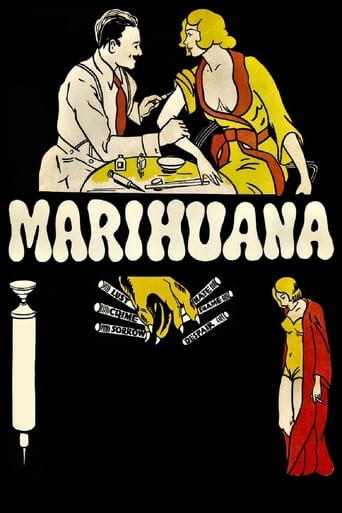
Versatile stage and screen actress: the transition from the Broadway musical stage to the early talkies of the 1930s. Born in Perth, Australia, in 1894, she moved to the United States and established herself as a prominent musical comedy performer, appearing in several Broadway productions including 'My Little Friend' (1913) and 'Apple Blossoms' (1919). During World War I, she gained significant public attention when she was officially adopted as the 'godmother' of the U.S.S. Kansas in recognition of her efforts entertaining the troops. In the 1930s, she transitioned to the screen, often appearing under the name Juanita Crosland, a surname she acquired through her marriage to the noted silent film director Alan Crosland. Her most enduring screen contribution remains her role as Mrs. Roberts in the 1936 cult exploitation film 'Marihuana,' a quintessential example of the 'reefer madness' genre. Despite her early success on Broadway, her later career saw her taking character roles and working as a high-end 'dress extra' in major studio productions like 'Mr. Deeds Goes to Town' (1936).
The Craft
On Screen
Fletcher was trained in the rigorous world of Broadway musical comedy, which demanded a combination of vocal prowess, physical grace, and clear comedic timing. On screen, she transitioned into character roles, often portraying maternal figures or 'society women' (dress extras) who required a sophisticated and poised presence. Her performance in 'Marihuana' showcased her ability to handle the heightened, melodramatic tone typical of 1930s exploitation cinema.
Milestones
- Broadway debut in the musical 'My Little Friend' (1913)
- Named official 'godmother' of the U.S.S. Kansas for her troop entertainment work (1918)
- Starring role in the Broadway hit 'Leave It to Jane' (1918)
- Featured role in the cult exploitation classic 'Marihuana' (1936)
- Appeared as Aunt Sarah Allen in the Western 'Mesquite Buckaroo' (1939)
Best Known For
Iconic Roles
Must-See Films
Accolades
Special Recognition
- Official Godmother of the U.S.S. Kansas (1918)
Working Relationships
Worked Often With
Studios
Why They Matter
Impact on Culture
Juanita Fletcher represents the bridge between the high-society world of early 20th-century Broadway and the gritty, low-budget world of 1930s exploitation cinema. Her participation in 'Marihuana' (1936) links her to. Her transition from a Broadway lead to a Hollywood character actress and 'dress extra' also illustrates the common career trajectory for many performers of the silent and early sound eras who struggled to maintain leading status as the industry evolved.
Lasting Legacy
Fletcher's legacy is preserved primarily through her association with the 'Reefer Madness' era of filmmaking. While she was a celebrated stage star in her youth, she is now a figure of interest for film historians studying the 'forgotten' actors of the Golden Age and the history of exploitation cinema. Her credit as 'Juanita Crosland' also maintains her link to the history of the first 'talkie' through her marriage to Alan Crosland.
Who They Inspired
As a 'dress extra' in the mid-1930s, Fletcher was part of a professional class of actors who provided the necessary atmosphere and 'correct appearance' for high-budget studio films, influencing the visual standards of the era's social dramas.
Off Screen
Juanita Fletcher was married to Alan Crosland, a prominent director known for helming 'The Jazz Singer' (1927). During her marriage and for several years following their divorce, she was frequently Juanita Fletcher appeared in films as Juanita Crosland. Her personal life was closely tied to the Hollywood social scene of the 1920s and 30s.
Education
Trained in musical theater and vocal performance in Australia and New York.
Family
- Alan Crosland (divorced)
Did You Know?
- She was born in Australia but achieved her greatest fame on the American stage.
- During WWI, she was so popular with sailors that the crew of the U.S.S. Kansas officially adopted her as their godmother.
- She often worked under the name Juanita Crosland after her marriage to director Alan Crosland.
- She appeared in 'Marihuana' (1936), which is now considered a cult classic of the exploitation genre.
- Fletcher was known as a 'dress extra' in the late 1930s, a term for experienced actors hired specifically for their ability to wear high-fashion costumes convincingly in the background of scenes.
- Her Broadway career included working with legendary composers like Oscar Straus and Fritz Kreisler.
In Their Own Words
I am elected to be the best man at your wedding. Well the kids didn't talk it was all quieted down. (Context: Dialogue as Mrs. Roberts in 'Marihuana')
Frequently Asked Questions
Who was Juanita Fletcher?
Australian-born actress who became a Broadway star in the 1910s and later a character actress in 1930s Hollywood films. She is best remembered today for her role in the 1936 exploitation film 'Marihuana'.
What films is Juanita Fletcher best known for?
Titles linked here include Marihuana (1936), Mesquite Buckaroo (1939).
Was Juanita Fletcher related to director Alan Crosland?
Yes, she was the wife of Alan Crosland, the director of 'The Jazz Singer'. During and after their marriage, she was often Juanita Fletcher appeared in films as Juanita Crosland.
What was Juanita Fletcher's role in World War I?
She was a popular entertainer for the troops and was officially adopted as the 'godmother' of the battleship U.S.S. Kansas by its officers and crew in 1918.
What was Juanita Fletcher's acting style?
Coming from a Broadway musical background, she had a polished and theatrical style. In her later film career, she was valued for her sophisticated presence, which allowed her to work as a 'dress extra' in high-society scenes.