Films
1 film
About Philip Roscoe
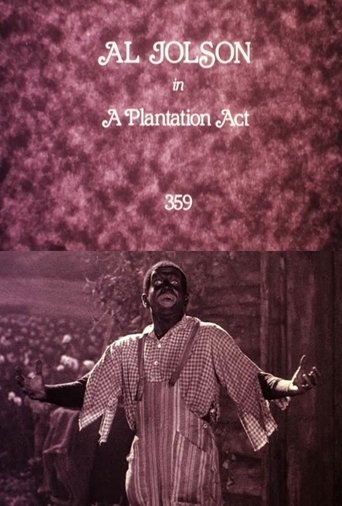
Philip Roscoe directed A Plantation Act (1926), a short comedy made as the silent era gave way to sound. No other credits for him appear in this catalog.
The Craft
Behind the Camera
Known for working during the transition to sound cinema, likely adapted to the technical challenges of early synchronized sound filming
Milestones
- Director of 'A Plantation Act' (1926), an early Vitaphone sound short
Best Known For
Must-See Films
Working Relationships
Studios
Why They Matter
Impact on Culture
Philip Roscoe's work on 'A Plantation Act' places him within the group of filmmakers who helped establish the technical and artistic foundations of sound cinema. Though his individual contribution may seem minor, his participation in early Vitaphone shorts contributed to the broader revolution that transformed Hollywood from silent to sound pictures. These early experiments were crucial in proving that synchronized sound could be commercially viable, leading to the complete transformation of the film industry by the late 1920s.
Lasting Legacy
Philip Roscoe represents the many lesser-known figures who participated in one of cinema's most significant technological transitions. While not a major director with an extensive filmography, his work on early sound shorts makes him part of the historical narrative of how Hollywood adapted to the sound revolution. His legacy serves as a reminder that cinema history was shaped not only by famous directors but also by numerous technicians and filmmakers who contributed during this pivotal period.
Who They Inspired
Due to the limited documentation of Roscoe's career and single known film credit, it's difficult to trace his specific influence on other filmmakers. However, his work in early sound cinema would have contributed to the collective learning process that directors underwent during the transition from silent to sound films, helping establish techniques that would be refined by subsequent generations of filmmakers.
Off Screen
Very little information is available about Philip Roscoe's personal life, which is not uncommon for minor figures from the silent era whose records may not have been preserved or documented extensively.
Did You Know?
- Only known for directing one film: 'A Plantation Act' (1926)
- Worked during the critical transition period from silent to sound cinema
- His film was part of Warner Bros.' Vitaphone series of early sound shorts
- Very little biographical information survives about him, which is common for minor figures from this era
- His single known work was produced during the same year as 'Don Juan' (1926), the first feature-length film with a synchronized musical score
Frequently Asked Questions
Who was Philip Roscoe?
on YTB.my.' experiments with synchronized sound technology.
What films is Philip Roscoe best known for?
Titles linked here include A Plantation Act (1926).
When was Philip Roscoe born and when did he die?
Unfortunately, Philip Roscoe's birth and death dates are not documented in available historical records, which is not uncommon for minor figures from the silent era.
What awards did Philip Roscoe win?
There are no records of Philip Roscoe receiving any major awards or nominations for his work in film.
What was Philip Roscoe's directing style?
While specific details about Roscoe's directing style are not well-documented, his work on early sound shorts suggests he adapted to the technical challenges and limitations of early synchronized sound filming during cinema's transition to talkies.