
Romaine Fielding
Actor
Born: May 18, 1867 in Bowling Green, Kentucky, USA Died: December 15, 1927 Active: 1910-1923 Birth Name: William Grant Blandin
Films
1 film
About Romaine Fielding
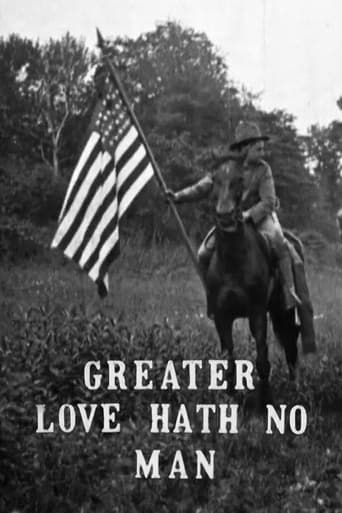
Figure in early American cinema who transitioned from stage acting to become prolific directors of the silent era. Born William Grant Blandin, he adopted his stage name and began his career in theater before moving into films around 1910. Fielding joined the Lubin Manufacturing Company, where he quickly rose to prominence as a director, helming numerous westerns and adventure films. He was known for his innovative techniques and willingness to film on location, which was relatively uncommon at the time. Fielding directed over 200 films during his career, though many are now lost. He also occasionally acted in his own films, including 'Greater Love Hath No Man' (1911). His career declined in the late 1910s as the film industry became more centralized in Hollywood, and he retired from filmmaking in the early 1920s.
The Craft
On Screen
As an actor in the silent era, Fielding employed the exaggerated gestures and facial expressions typical of the period, with a particular talent for conveying dramatic emotion through physical performance. His stage background influenced his cinematic acting, bringing theatrical intensity to his film roles.
Milestones
- Directed over 200 films during the silent era
- Head of Lubin's West Coast studio
- Pioneer of location filming
- Directed the popular 'Captain Enoch' series
- Mentored several early film actors
Best Known For
Iconic Roles
Must-See Films
Accolades
Special Recognition
- Recognized as a director in early American cinema
- Remembered for contributions to the western genre
- Noted for his role in developing location filming techniques
Working Relationships
Worked Often With
Studios
Why They Matter
Impact on Culture
Romaine Fielding was instrumental in developing the American western genre during its formative years, helping establish many of the conventions that would define the genre for decades. His willingness to film on location rather than on studio sets influenced later filmmakers and contributed to the evolution of cinematic realism. Fielding's prolific output during the early 1910s helped satisfy the growing public appetite for motion pictures and contributed to the establishment of film as a popular entertainment medium. His work demonstrated the commercial viability of feature-length narratives and series films, paving the way for more complex storytelling in cinema.
Lasting Legacy
While many of Romaine Fielding's films have been lost to time, his influence on early American cinema, particularly the western genre, remains significant. He is remembered by film historians as a transitional figure who helped bridge the gap between the primitive one-reel films of the 1900s and the more sophisticated feature films of the late 1910s. Fielding's emphasis on location shooting and action sequences influenced subsequent generations of filmmakers, especially those working in the western genre. His career trajectory from stage actor to film director reflects the broader evolution of the American film industry during its formative years.
Who They Inspired
Fielding's approach to western filmmaking influenced directors like John Ford and others who would later perfect the genre. His early adoption of location shooting techniques prefigured the more elaborate location work that would become standard in Hollywood by the 1920s. The actors who worked under his direction, particularly at Lubin, carried forward techniques and approaches they learned from him into their own later work. Fielding's business acumen in managing a production unit also provided a model for other filmmakers who would transition from creative work to production leadership roles.
Off Screen
Romaine Fielding married actress Edna Payne in 1913, and the couple often worked together on films. Their marriage was both personal and professional, with Payne starring in many of Fielding's productions. Fielding was known as a demanding director but also maintained good relationships with many of his regular cast members. After retiring from films, he lived a relatively quiet life away from the public eye until his death.
Education
Limited information is available about his formal education, but he received training in theater and acting before entering the film industry.
Family
- Edna Payne (1913-1927, his death)
Did You Know?
- Directed over 200 films in less than 15 years
- Often used the pseudonym 'Royal A. Magnetic' for some of his acting roles
- Was one of the first directors to regularly film on location
- His real name was William Grant Blandin
- Managed Lubin's West Coast studio operations
- Survived a serious train accident while on location in 1915
- Was known for his strict discipline on set
- His wife Edna Payne starred in many of his films
- Made several films with Native American themes that were considered progressive for their time
- Retired from filmmaking before the transition to sound films
In Their Own Words
The camera is a more truthful storyteller than any playwright
In the West, nature provides the best stage
A moving picture should move not just the camera but the soul
The future of cinema lies beyond the studio walls
Action is the universal language of the screen
Frequently Asked Questions
Who was Romaine Fielding?
Born William Grant Blandin, he directed over 200 films and was particularly known for his work in westerns and his innovative approach to location filming.
What films is Romaine Fielding best known for?
Titles linked here include Greater Love Hath No Man (1911), The Battle of Gettysburg (1913).
When was Romaine Fielding born and when did he die?
Born May 18, 1867; died December 15, 1927.
What awards did Romaine Fielding win?
Romaine Fielding did not receive formal awards during his career, as he worked primarily in the 1910s before major film awards like the Academy Awards were established. However, he is recognized by film historians as a director who made significant contributions to early American cinema, particularly the western genre.
What was Romaine Fielding's directing style?
Fielding was known for his dynamic camera work and emphasis on action and spectacle. He was one of the early pioneers of location filming, particularly for westerns, and preferred shooting on location rather than on studio sets. His direction showed an early understanding of visual storytelling through movement and action rather than relying solely on intertitles.
How did Romaine Fielding influence early cinema?
Fielding influenced early cinema through his prolific output of over 200 films, his work in location shooting, and his contributions to developing the western genre. His techniques and approaches to filmmaking helped bridge the gap between primitive one-reel films and the more sophisticated features of the late 1910s.
What studio did Romaine Fielding work for?
Romaine Fielding worked primarily for the Lubin Manufacturing Company, where he eventually became head of their West Coast studio operations. He also had associations with other early film companies including Kalem and Vitagraph Studios during his career.
Was Romaine Fielding married?
Yes, Romaine Fielding married actress Edna Payne in 1913, and they remained married until his death in 1927. Payne frequently starred in Fielding's films, and their marriage was both personal and professional.