Films
1 film
About Bhagirathibai
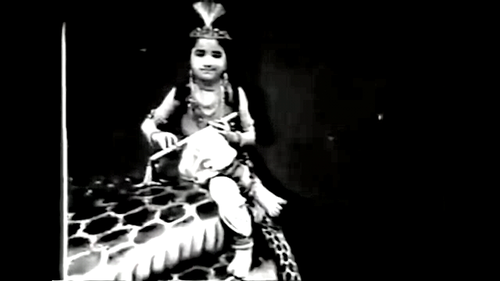
Actress in early Indian cinema during the silent film era. Bhagirathibai appears in the 1918 mythological film 'Birth of Shri Krishna,' which was produced during the formative years of Indian filmmaking. Working in an era when acting in films was considered socially controversial, especially for women, Bhagirathibai was among the few female performers who broke cultural barriers to participate in this emerging art form. Her participation in mythological subjects was typical of early Indian cinema, which drew heavily from religious epics and stories. Unfortunately, like many actors from this period, detailed records of her life and career are scarce due to the limited documentation practices of early Indian film production. Her contribution, however, represents the important role women played in establishing Indian cinema's foundations despite societal constraints.
The Craft
Milestones
- Appeared in 'Birth of Shri Krishna' (1918), one of the early mythological films of Indian cinema
Best Known For
Iconic Roles
Must-See Films
Why They Matter
Impact on Culture
Bhagirathibai represents the women of Indian cinema who faced significant social barriers to participate in filmmaking during its early years. Her appearance in a 1918 film places her among the first generation of Indian film actresses, at a time when the profession was considered taboo for respectable women. These early performers laid the groundwork for future generations of women in Indian cinema, challenging social norms and helping establish film as a legitimate art form in India. Their contributions, though often undocumented, were crucial in developing Indian cinema's unique identity and its deep connection to mythological storytelling.
Lasting Legacy
Bhagirathibai's legacy lies in her role as one of the early female pioneers of Indian cinema during the silent era. While detailed records of her career are limited, her participation in early Indian filmmaking represents the courage and determination of women who helped establish the foundation of what would become one of the world's largest film industries. Her work in mythological cinema contributed to the early development of a genre that would remain central to Indian filmmaking for decades. The scarcity of information about performers like Bhagirathibai highlights the need for better documentation of early cinema history and the often-overlooked contributions of women in film's formative years.
Who They Inspired
As an early actress in Indian cinema, Bhagirathibai would have influenced subsequent generations of performers simply by proving that women could participate in this new medium. Her work in mythological films helped establish the visual and performative language for religious storytelling in Indian cinema, a tradition that continues to this day. While direct documentation of her influence on specific later actors is unavailable, she and her contemporaries created pathways that made it easier for women to enter the film industry in subsequent decades.
Off Screen
Very little is documented about Bhagirathibai's personal life, which was common for actors of this period, especially women who faced social stigma for working in films.
Did You Know?
- Appeared in films during the silent era of Indian cinema
- Worked at a time when female actors faced significant social stigma in India
- Participated in mythological cinema, which was dominant in early Indian film
- Her active years covered the earliest years of Indian feature filmmaking
- Like many early Indian film actors, detailed biographical information is scarce
- Women in early Indian cinema often used single names or stage names
- The film industry in 1918 was still in its infancy, with very few production companies
Frequently Asked Questions
Who was Bhagirathibai?
Screen credits include the silent film era, specifically known for her role in the 1918 film 'Birth of Shri Krishna.' She was among the women who helped establish Indian cinema during its formative years.
What films is Bhagirathibai best known for?
Titles linked here include Birth of Shri Krishna (1918).
When was Bhagirathibai born and when did she die?
Unfortunately, specific birth and death dates for Bhagirathibai are not documented in available historical records, which is common for actors from the very early period of Indian cinema, especially women who often faced social stigma.
What awards did Bhagirathibai win?
There are no documented awards or honors for Bhagirathibai, which is typical for actors from the silent era of Indian cinema when formal award systems had not yet been established in the industry.
What was Bhagirathibai's acting style?
Specific details about Bhagirathibai's acting style are not documented, but actors in early Indian silent cinema typically used exaggerated gestures and facial expressions to convey emotions, as was common in silent film performance worldwide.