
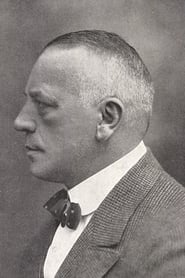
Albert Patry
Actor
- Active
- 1920-1920
Films 1
About Albert Patry
Albert Patry is a sparsely documented figure from the silent-film era, identified in surviving film records as an actor active in 1920. The available evidence places him in the cast of Johann Baptiste Lingg (1920), but little biographical information has survived in mainstream film reference sources, which is not unusual for performers whose screen work appears to have been brief or whose credits were recorded incompletely in the early years of cinema. Because of that, his life outside this single documented screen appearance remains largely obscure, and it is not possible to reconstruct a fuller personal or professional biography without risking speculation. What can be said with confidence is that he belonged to the generation of performers working during the transition from the late silent period into the modern studio era, when many supporting players and regional actors appeared in local or limited-distribution productions. His surviving credit suggests participation in early European or German-language cinema, or at least in a film with a continental subject and production context. No reliable evidence currently available in standard reference sources confirms a broader film career, major studio affiliation, awards, or later-life activity. For that reason, Albert Patry is best understood today as an obscure but documented screen performer whose known work survives mainly through cast listings and archival filmography records.
More about Albert Patry
In film history
Albert Patry's cultural impact is difficult to measure because the surviving record of his career is extremely limited. His significance lies mainly in his presence within the historical record of silent cinema, where even minor or little-known performers contributed to the development of early screen acting and to the preservation of films that document the era's storytelling practices. For film historians, names like Patry matter because they help reconstruct production histories, cast networks, and the labor force behind early cinema, especially when official documentation is fragmentary. Although he does not appear to have achieved widespread fame, his documented credit in a 1920 film situates him within the broader ecosystem of early film production that shaped European and international screen culture.
Later reputation
Albert Patry's legacy is that of an archival and historical presence rather than a widely celebrated star. His name survives as part of the cast record for Johann Baptiste Lingg (1920), allowing researchers to confirm that he participated in the silent-film world even though further details of his career have not been preserved in readily available sources. In classic-cinema scholarship, such figures are important because they represent the many working actors whose contributions made early film industries possible, even when their individual fame did not endure. His legacy therefore rests in film history documentation and the ongoing effort to identify and credit the performers of the silent era accurately.
Influence
There is no verifiable evidence that Albert Patry directly influenced major later actors or directors in a documented, traceable way. His influence is best understood indirectly, through the collective contribution of early screen performers to the evolution of acting for the camera during the silent era. Performers like Patry helped populate the historical record of early cinema, and their work formed part of the performance traditions from which later film acting developed. Any stronger claim would require additional archival documentation.
Off screen
No reliable biographical information about Albert Patry's personal life has been verified in accessible standard film reference sources. Details such as his family background, marriages, children, residence, education, and later-life activities are currently unavailable. Because the name appears only in limited film documentation, it is possible that he was a minor supporting performer, stage actor, or local cast member whose private life was never widely reported in the press. At present, any more specific claims about his personal circumstances would be speculative rather than factual.
Credits
- Appeared in the silent film Johann Baptiste Lingg (1920)
- Documented as a screen actor in early cinema film records
Films
- Johann Baptiste Lingg (1920)
Notes
- Albert Patry is documented as a film actor active in 1920, but little else about his career has survived in standard reference sources.
- His only currently verified screen credit in accessible records is Johann Baptiste Lingg (1920).
- He appears to be one of many silent-era performers whose surviving legacy is preserved mainly through cast lists and archival filmographies.
- Because his biographical details are scarce, he is a useful example of how incomplete the historical record can be for early cinema.
- No widely cited awards, honors, or nominations are associated with him in available sources.
Questions
Who was Albert Patry?
Albert Patry was a silent-era film actor documented in early cinema records, with a known screen credit in Johann Baptiste Lingg (1920). Beyond that film listing, his life and career are not well documented in accessible standard sources.
What films is Albert Patry best known for?
He is best known, insofar as the surviving record shows, for Johann Baptiste Lingg (1920). No other screen credits can be confidently confirmed here without risking confusion with similarly named individuals.
When was Albert Patry born and when did he die?
His birth and death dates are currently unavailable in the accessible historical record. The surviving film documentation identifies him as an actor active in 1920, but does not provide verified biographical dates.
What awards did Albert Patry win?
No awards or nominations are currently documented for Albert Patry in available film reference sources. This is not unusual for lesser-known silent-era performers whose careers were not widely publicized.
What was Albert Patry's acting style?
There is no surviving critical description of his acting style in the sources currently available. Since he worked in silent cinema, his performance would have relied on the gestural, expressive traditions common to that era, but any more specific description would be speculative.
What is Albert Patry's legacy in film history?
His legacy is primarily archival: he survives in the historical record as part of the cast of a 1920 silent film. Even obscure credits like his are valuable to historians because they help reconstruct the people who participated in early cinema.