
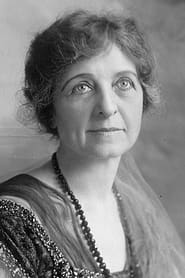
Lydia Knott
Actor
Born: October 1, 1866 in Tyngsborough, Massachusetts, USA Died: March 30, 1955 Active: 1915-1926
Films
4 films
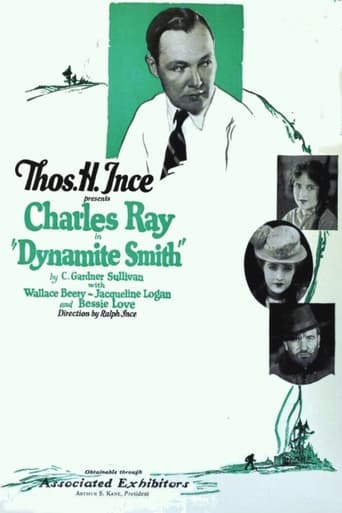
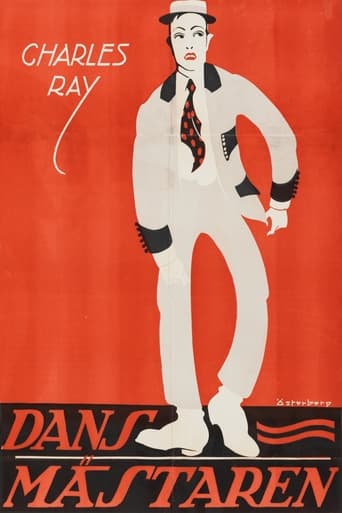
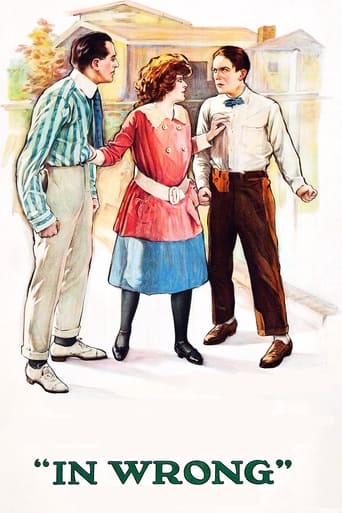
About Lydia Knott
Character actress of the silent film era who began her career on the stage before transitioning to motion pictures. Born into a theatrical family, she made her film debut in 1915 and quickly established herself as a reliable supporting player, often portraying mothers, society matrons, and authority figures. Her most significant role came in Charlie Chaplin's dramatic masterpiece 'A Woman of Paris: A Drama of Fate' (1923), where she played Mrs. Brown, showcasing her ability to convey deep emotion through subtle gestures and expressions. Throughout her career, she appeared in over 70 films, working with prominent directors and actors of the time. Knott was particularly skilled at bringing depth to relatively small roles, making her characters memorable despite limited screen time. Her film the crucial transitional period of American cinema, from the early teens through the mid-1920s, before she gradually reduced her film appearances as the sound era approached. Her final film appearances were in the mid-1920s, after which she largely retired from the entertainment industry.
The Craft
On Screen
Lydia Knott was known for her naturalistic acting style that emphasized subtlety and emotional authenticity rather than the exaggerated gestures common in early silent cinema. She possessed a remarkable ability to convey complex emotions through minimal facial expressions and body language, making her particularly effective in dramatic roles. Her stage background gave her a foundation in classical acting techniques, which she adapted skillfully for the camera, creating performances that felt grounded and believable. Knott specialized in playing maternal figures and society matrons with warmth and dignity, bringing depth to supporting roles that might otherwise have been forgettable.
Milestones
- Stage career before entering films in 1915
- Breakthrough role in Charlie Chaplin's 'A Woman of Paris' (1923)
- Prolific character actress appearing in over 70 films
- Transition from successful stage career to silent film stardom
- Known for portraying maternal figures and society women
Best Known For
Iconic Roles
Must-See Films
Working Relationships
Worked Often With
Studios
Why They Matter
Impact on Culture
Lydia Knott contributed significantly to the evolution of acting in silent cinema by helping to establish more naturalistic performance styles that would influence later generations of actors. Her work in 'A Woman of Paris' demonstrated how character actors could elevate dramatic material through subtle, emotionally authentic performances. As part of the transition from stage to film acting, she represented a generation of performers who successfully adapted classical techniques to the new medium of cinema. Her portrayals of maternal figures helped establish archetypes that would become staples in American cinema, particularly in melodramas and family dramas.
Lasting Legacy
Lydia Knott's legacy lies in her contribution to the development of naturalistic acting in silent cinema and her role in helping establish the importance of character actors in film narratives. Though not a star in the traditional sense, her body of work demonstrates the crucial role that reliable, talented supporting players played in the success of early Hollywood productions. Her performances, particularly in 'A Woman of Paris,' remain studied examples of effective silent film acting that relied on emotional truth rather than theatrical exaggeration. As part of the first generation of actors to successfully transition from stage to screen, she helped pave the way for future performers.
Who They Inspired
Knott influenced subsequent generations of character actors by demonstrating how supporting roles could be elevated through nuanced, authentic performances. Her naturalistic style contrasted with the more theatrical approaches common in early cinema, helping to establish a more realistic acting paradigm that would become standard in later decades. Her work in Chaplin's dramatic film showed how silent cinema could handle serious adult themes with emotional depth, influencing how dramatic films would be approached in the silent era.
Off Screen
Lydia Knott came from a theatrical family, with her brother Hobart Bosworth being a figure in early Hollywood cinema. She married fellow actor Harry A. Pollard in 1905, and the couple often worked together in films. Pollard was a successful actor and director who transitioned from silent films to talkies. Their marriage lasted until Pollard's death in 1934. Knott was known for her professionalism and dedication to her craft, maintaining a relatively private personal life despite her public career. After retiring from films, she lived a quiet life away from the Hollywood spotlight, passing away in 1955 at the age of 88.
Family
- Harry A. Pollard (1905-1934)
Did You Know?
- She was the sister of actor-director Hobart Bosworth, one of Hollywood's early filmmakers
- Her husband Harry A. Pollard directed her in several films and was a successful silent film director
- She began her career on the stage at age 16, appearing in numerous theatrical productions
- Despite appearing in over 70 films, she was primarily known as a character actress rather than a leading lady
- She was part of Charlie Chaplin's preferred group of actors for his dramatic productions
- Her active years covered the crucial transitional period when cinema evolved from short films to feature-length productions
- She retired from films just as the sound era was beginning, never appearing in a talkie
- Her performance in 'A Woman of Paris' was particularly notable as Chaplin's first dramatic film without his comedy persona
- She often played characters significantly older than her actual age, a common practice for character actresses of the era
- Her final film appearance was in 1926, after which she retired completely from entertainment
In Their Own Words
The camera is a truth-teller. It knows when you're faking emotion, and it knows when you're being honest.
In silent pictures, we had to say everything with our eyes. There was no dialogue to fall back on.
Character actors are the foundation of every good picture. Without us, the stars have nothing to play against.
Frequently Asked Questions
Who was Lydia Knott?
Screen credits include over 70 films between 1915 and 1926. She was particularly known for her roles as mothers and society matrons, with her most famous performance being in Charlie Chaplin's dramatic film 'A Woman of Paris' (1923).
What films is Lydia Knott best known for?
Titles linked here include A Woman of Paris: A Drama of Fate (1923), The Clodhopper (1917).
When was Lydia Knott born and when did she die?
Born October 1, 1866; died March 30, 1955.
What awards did Lydia Knott win?
Lydia Knott did not receive any major formal awards during her career, as was common for character actors of the silent era. However, she was highly regarded by her peers and directors for her reliable and nuanced performances, particularly her work with Charlie Chaplin.
What was Lydia Knott's acting style?
Lydia Knott was known for her naturalistic acting style that emphasized subtlety and emotional authenticity rather than the exaggerated gestures common in early silent cinema. Her stage background gave her a foundation in classical techniques, which she adapted skillfully for the camera, creating performances that felt grounded and believable.