
Films
1 film
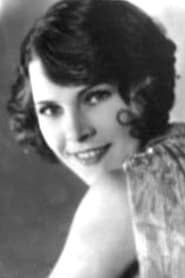
About Betty Morrissey
American actress who had an extremely brief career in Hollywood during the silent film era. Her sole known film appearance was in Charlie Chaplin's 1923 drama 'A Woman of Paris: A Drama of Fate,' a significant departure from Chaplin's usual comedic work. Though her role in the film was minor, she was part of a production that showcased Chaplin's dramatic directorial abilities. The film was notable for its sophisticated storytelling and mature themes, though it was not commercially successful at the time. Morrissey's career appears to have been limited to this single film credit, making her one of the many one-film performers of early Hollywood. Her brief appearance in cinema history came during the transition period when silent films were reaching their artistic peak before the advent of sound. Like many supporting players of the era, she faded into obscurity after her brief moment in the spotlight.
The Craft
Milestones
- Appeared in Charlie Chaplin's 'A Woman of Paris' (1923)
- Part of Chaplin's first dramatic film venture
Best Known For
Must-See Films
Working Relationships
Worked Often With
Studios
Why They Matter
Impact on Culture
Betty Morrissey's cultural impact is minimal due to her extremely brief film career, limited to a single appearance in Charlie Chaplin's experimental drama. However, as a participant in 'A Woman of Paris,' she was part of a significant moment in cinema history - Chaplin's first attempt at serious drama, which influenced the way comedians approached dramatic filmmaking. The film itself has gained historical significance over time as an example of Chaplin's versatility and artistic ambition, even though Morrissey's individual contribution was small.
Lasting Legacy
Betty Morrissey's legacy is that of a typical supporting player from Hollywood's silent era - a brief appearance in a historically significant film followed by obscurity. She represents the countless actors and actresses who populated early cinema but whose names and stories have been largely lost to time. Her sole film credit connects her to one of Charlie Chaplin's most interesting artistic experiments, even if her role was minor.
Who They Inspired
Given her brief career consisting of only one film appearance, Betty Morrissey had no discernible influence on other actors or directors. She was likely a working actress taking whatever roles were available during the competitive early Hollywood period, rather than someone seeking to establish an artistic legacy or influence others in the industry.
Off Screen
Very little is known about Betty Morrissey's personal life, as she was a minor actress who appeared in only one film during Hollywood's silent era. Like many supporting players of the time, she did not achieve enough prominence to warrant extensive biographical coverage in contemporary publications or later film histories.
Did You Know?
- Appeared in Charlie Chaplin's first dramatic film, which was a radical departure from his comedy work
- Her entire known film career consisted of a single year - 1923
- A Woman of Paris was Chaplin's first film without his iconic Tramp character
- The film was initially a commercial failure but has since been reevaluated as a masterpiece
- Morrissey was one of many minor actresses who appeared in Chaplin films but never achieved stardom
- The film's failure at the box office led Chaplin to withdraw it from circulation for decades
- She was part of a cast that primarily featured Chaplin regulars like Edna Purviance
- The film was unusual for its time in its mature treatment of adult themes and relationships
Frequently Asked Questions
Who was Betty Morrissey?
American silent film actress who had an extremely brief career, appearing in only one known film - Charlie Chaplin's 1923 drama 'A Woman of Paris: A Drama of Fate.' She was a minor supporting player during the silent era who, like many actors of the time, faded into obscurity after a brief appearance in cinema.
What films is Betty Morrissey best known for?
Titles linked here include A Woman of Paris: A Drama of Fate (1923).
When was Betty Morrissey born and when did she die?
Betty Morrissey's birth and death dates are not recorded in available historical records, which was common for minor supporting actors from the silent era who did not achieve lasting fame. Her only known professional activity was in 1923.
What awards did Betty Morrissey win?
Betty Morrissey did not receive any known awards or nominations for her brief film career. As a minor actress in a single film during the early 1920s, she would not have been considered for the recognition that leading actors and actresses of the era sometimes received.
What was Betty Morrissey's acting style?
Due to the lack of extensive documentation about her career and the minor nature of her role, Betty Morrissey's specific acting style cannot be determined. She would have worked within the dramatic conventions of silent film acting, but without more substantial roles or surviving critical commentary, her individual approach remains unknown.