Films
2 films
About Radharani
Indian actress who worked in the Hindi film industry during the early talkies era, spanning the 1930s and early 1940s. She emerged as a prominent character actress during the transitional period when Indian cinema was moving from silent films to sound films. Her career coincided with the formative years of Bollywood, and she contributed to several significant productions during this crucial period of Indian film history. Radharani was known for her versatility in playing supporting roles and mother figures, which were staple characters in early Indian cinema. She worked alongside some of the actors and directors of the time, helping to establish the narrative conventions that would define Indian cinema for decades. Her filmography, though not extensively documented, shows her consistent presence in the industry throughout the 1930s. By the early 1940s, as the Indian film industry began to professionalize and new stars emerged, Radharani's career appears to have wound down, as was common for many actors of her generation.
The Craft
On Screen
Radharani's acting style was typical of early Indian cinema, characterized by theatrical expressions and dramatic gestures that were necessary to convey emotions in the limited technical conditions of early sound films. As a supporting actress, she likely employed traditional Indian theatrical techniques while adapting to the new medium of cinema. Her performances would have emphasized clear diction and expressive body language to ensure audience engagement in the nascent sound film era.
Milestones
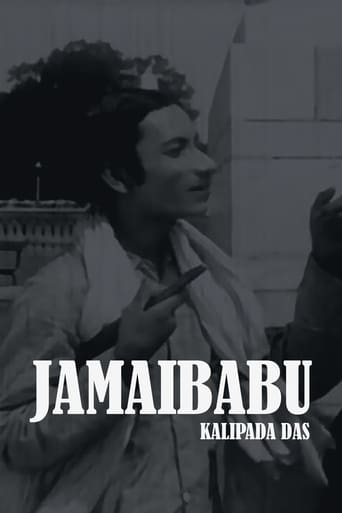
- Appeared in early talkie 'Son-in-Law' (1931)
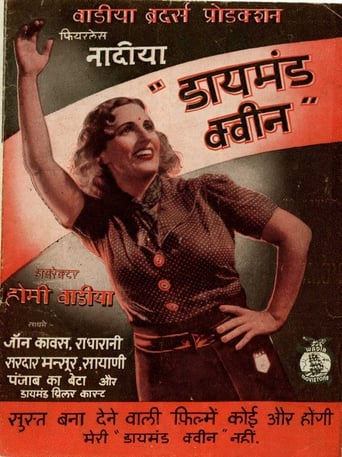
- Acted in 'Diamond Queen' (1940) starring Fearless Nadia
- Worked during the transitional period from silent to sound cinema in India
- Contributed to the formative years of Bollywood
- Established herself as a reliable supporting actress in the 1930s
Best Known For
Iconic Roles
Must-See Films
Working Relationships
Worked Often With
Studios
Why They Matter
Impact on Culture
Radharani contributed to the development of early Indian cinema during its crucial transition from silent films to talkies. As a working actress during the 1930s, she was part of the generation that helped establish the conventions of Hindi cinema, including the importance of supporting characters in narrative structure. Her work in films like 'Diamond Queen' contributed to the emergence of the stunt-film genre that would become popular in Indian cinema. Though not a star, her consistent presence in films of the era helped create the ecosystem that allowed Indian cinema to flourish and develop its unique identity.
Lasting Legacy
Radharani's legacy lies in her contribution to the foundation of Indian cinema during its formative years. While she may not be remembered as a major star, her work represents the countless supporting actors who were essential to the development of the film industry. Her filmography shows the collaborative nature of early cinema and the importance of character actors in creating memorable films. Her appearances in historically significant films like 'Diamond Queen' ensure that her name is preserved in the annals of Indian film history, representing the era when Indian cinema was finding its voice and establishing its unique narrative traditions.
Who They Inspired
As a supporting actress from the early talkies era, Radharani's direct influence on later generations is difficult to trace, but she was part of the generation that established the professional standards and artistic conventions that would guide Indian cinema. Her work in ensemble casts helped demonstrate the importance of well-developed supporting characters, a tradition that continues in Indian cinema today.
Off Screen
Very little documented information is available about Radharani's personal life, which was common for many supporting actors of early Indian cinema whose personal details were not extensively recorded in film histories or press coverage of the time.
Did You Know?
- Worked during the early sound era of Indian cinema when technical limitations heavily influenced acting styles
- Appeared in 'Diamond Queen' (1940),
- Her active years covered the crucial decade of the 1930s when Indian cinema was establishing its identity
- Part of the first generation of actors who successfully transitioned from silent films to talkies
- Like many actors of her era, detailed biographical information about her is scarce in film archives
- Her filmography represents the typical career arc of supporting actresses in early Bollywood
- Worked with Wadia Movietone, one of the studios of Indian cinema
- Contributed to films that helped establish popular genres in Indian cinema
Frequently Asked Questions
Who was Radharani?
Indian actress who worked in Hindi cinema during the 1930s and early 1940s, appearing in supporting roles during the early talkies era of Indian film history.
What films is Radharani best known for?
Titles linked here include Son-in-Law (1931), Diamond Queen (1940).
When was Radharani active in films?
Radharani was active in Indian cinema from 1931 to 1940, working during the crucial transitional period when Indian cinema was establishing its sound film traditions.
What was Radharani's role in early Indian cinema?
Radharani worked as a supporting actress, contributing to the development of ensemble casts and helping establish the importance of character actors in early Hindi cinema.
Did Radharani work with any notable figures?
Yes, she worked with figures like Fearless Nadia and the Wadia brothers, who were instrumental in developing early Indian cinema, particularly the action and stunt film genres.