
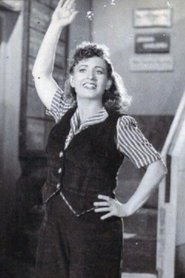
Diamond Queen
"Homi Wadia’s stunt queen hunts a diamond"
Keys: Space play/pause · ←/→ 10s · F fullscreen · M mute · </> speed
About this film
Directed drives the action when directed by Homi Wadia.
Cast & crew
More films like this
More Adventure films
View all →


More from Homi Wadia
View all →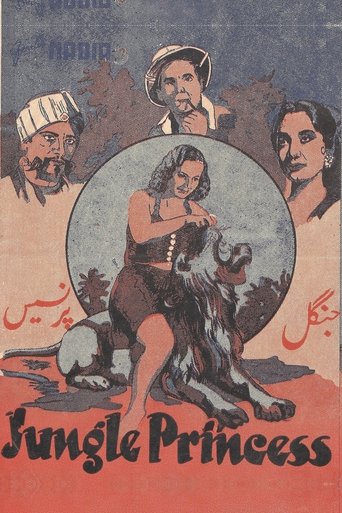
More about this film
About the production
Release date1940
ProductionWadia Movietone
Filmed inBombay (now Mumbai), India
Directed by Homi Wadia, one of the pioneering brothers of Indian cinema who specialized in stunt and adventure films. The film was produced during the golden era of Indian studio cinema when Wadia Movietone was known for its action-packed productions featuring strong female protagonists. The production utilized practical effects and stunt work that were innovative for Indian cinema of the 1940s.
Themes
Female empowermentResistance against oppressionProtection of cultural heritageCourage and heroismGood versus evil
Themes & topics
Historical background
Diamond Queen appeared in 1940, when wartime and immediate postwar filmmaking shaped how movies were financed, distributed, and discussed. Audiences of the day encountered the work amid shifting tastes in acting, pacing, and spectacle. Its focus on directed by homi wadia mirrors themes circulating in popular culture of that moment.
Why this film matters
Diamond Queen (1940) belongs to the wider archive of world cinema, documenting directed by homi wadia.. Archivists and historians value such titles for what they reveal about craft, genre, and audience expectations. Restorations and festival screenings keep the work visible to viewers far beyond its first run.
Making of
Diamond Queen was created during the peak of Wadia Movietone's production period, when the studio was revolutionizing Indian cinema with its action-oriented films. Homi Wadia, having learned the craft from his brother JBH Wadia, brought his unique vision to adventure filmmaking. The casting of Mary Ann Evans (Fearless Nadia) was significant as she had already become a star through previous Wadia productions. The film's stunt sequences were choreographed with minimal safety equipment, requiring genuine athleticism from the performers. The production team constructed elaborate sets to represent palaces and jungles, using the limited resources available in pre-independence India. The film's success led to more productions featuring similar themes of adventure and female empowerment.
What critics said
Press coverage from 1940 is fragmentary for many titles of this vintage; surviving notices for Diamond Queen tend to stress novelty, star power, or topical appeal. Later writing places the picture within its national and generic context, weighing both period conventions and moments that still land for modern viewers. Streaming and disc releases have revived discussion among classic-film audiences.
Did you know?
- Mary Ann Evans, who starred in the film, was better known by her stage name Fearless Nadia, becoming one of Indian cinema's first stunt women
- The film was part of Wadia Movietone's successful series of adventure films featuring strong female leads
- Director Homi Wadia and his brother JBH Wadia were pioneers in creating the Indian stunt film genre
- The film's success helped establish the template for future Indian adventure films
- Fearless Nadia performed many of her own stunts in the film, which was unusual for actresses of that era
- The diamond prop used in the film became iconic and was featured in Wadia Movietone's promotional materials
- The film was released during the early years of World War II, affecting its distribution in some regions
- Wadia Movietone was known for its progressive approach to gender roles in their films
Visual style
The cinematography of Diamond Queen utilized the techniques available in 1940s Indian cinema, employing static camera shots for dialogue sequences and dynamic movement during action scenes. The film's visual style emphasized dramatic lighting to create atmosphere in palace and jungle settings. The cinematographers worked with limited equipment but managed to create visually compelling sequences that enhanced the adventure elements. The film used practical locations and studio sets effectively, creating a sense of grandeur within the technical constraints of the era.
Innovations
Diamond Queen showcased several technical achievements for its time in Indian cinema. The film featured elaborate stunt sequences that required innovative camera techniques and safety measures. The production team developed new methods for creating action scenes within the constraints of 1940s technology. The film's special effects, while primitive by modern standards, were impressive for the era and contributed to the sense of adventure. The editing techniques used during action sequences helped create tension and excitement, influencing later action films in Indian cinema.
Music
The musical score of Diamond Queen reflected the popular style of 1940s Indian cinema, blending traditional Indian melodies with influences from Western film music. The songs were integral to the narrative, advancing the plot and developing character motivations. The soundtrack likely featured orchestral arrangements common to studio productions of the time, with live musicians recording during filming. The music helped establish the adventurous tone of the film while incorporating elements that would appeal to contemporary Indian audiences.
Famous quotes
The diamond is not just a stone, it is the soul of our kingdom
A queen's strength is measured not in jewels, but in courage
When tyranny rises, even princesses must become warriors
Memorable scenes
- The climactic battle scene where the queen leads her forces against the invaders
- The jungle chase sequence showcasing innovative stunt work
- The palace confrontation where the queen reveals her true identity
- The treasure vault scene where the diamond's power is revealed
What audiences thought
Diamond Queen was highly successful with audiences upon its release, particularly among urban moviegoers in Bombay and other major cities. The film's adventure elements and Fearless Nadia's charismatic performance resonated strongly with viewers seeking escapist entertainment during the tumultuous pre-independence period. Audience turnout was impressive, leading to extended theatrical runs in many cinemas. The film helped solidify Fearless Nadia's status as a major star and established a loyal fanbase for Wadia Movietone's productions. Its success demonstrated that Indian audiences were ready for more action-oriented cinema and films featuring strong female protagonists.
Film connections
Influenced by
- Hollywood adventure serials
- Indian mythological stories
- Western stunt films
- Robin Hood legends
- Zorro stories
This film influenced
- Hunterwali (1935)
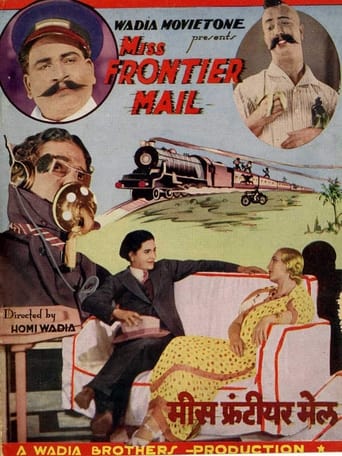
- Miss Frontier Mail (1936)
- Punjab Mail (1939)
- Later Indian stunt films
- Modern Bollywood action films with strong female leads
Film restoration
Like many films from 1940s India, Diamond Queen faces preservation challenges. Some prints may exist in film archives, particularly in the National Film Archive of India, but the film's complete preservation status is uncertain. Restoration efforts for vintage Indian films have been ongoing, but many films from this era remain at risk due to the deterioration of nitrate film stock and inadequate storage conditions in the mid-20th century.
Where to watch
- Film archives and museums
- Specialized classic film festivals
- Academic film studies collections
- Potential availability through National Film Archive of India screenings