
Films
2 films
About Nazira
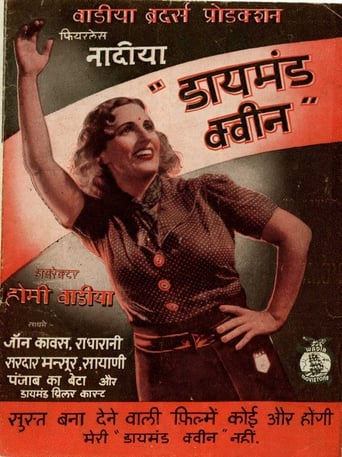
Actress in early Indian cinema during the transitional period from the 1930s to 1940s, appearing primarily in Hindi-language films. She gained recognition for her roles in the early 1940s, particularly in films that showcased the evolving narrative styles of Indian cinema. Her most notable works include 'Diamond Queen' (1940), where she played a significant supporting role, and 'Muqabala' (1942), which was one of the early films featuring dance sequences that would become integral to Bollywood cinema. Nazira was part of the generation of actors who helped establish the foundations of Indian commercial cinema during its formative years. Though her career was relatively brief, spanning the early 1940s, her contributions to films of this era helped shape the emerging aesthetics of Indian popular cinema. Like many actresses of her time, she worked during a period when the film industry was still establishing its professional norms and star system.
The Craft
On Screen
Nazira's acting style was characteristic of early Indian cinema, featuring theatrical expressions and dramatic gestures typical of the transitional period from silent films to talkies. Her performances incorporated the emerging melodramatic elements that would become staples of Indian cinema, with emphasis on emotional expressiveness through both dialogue and physical performance.
Milestones
- Appeared in Diamond Queen (1940)
- Featured in Muqabala (1942)
- Participated in early Indian talkies era
- Contributed to early Bollywood cinema development
Best Known For
Iconic Roles
Must-See Films
Working Relationships
Worked Often With
Why They Matter
Impact on Culture
Nazira contributed to the early development of Indian commercial cinema during its crucial formative years in the early 1940s. Her work in films like 'Muqabala' helped establish the template for the masala entertainment format that would later define Bollywood cinema. As part of the supporting cast in these films, she participated in creating the visual and narrative language that would influence generations of Indian filmmakers.
Lasting Legacy
Nazira's legacy lies in her contribution to the foundation of Indian popular cinema during its early talkies period. While she may not be widely remembered today, her work in films like 'Diamond Queen' and 'Muqabala' represents the collaborative effort of countless actors who helped establish Bollywood's cinematic traditions. Her films are now valued as historical artifacts that document the evolution of Indian cinema.
Who They Inspired
As a supporting actress in early Indian cinema, Nazira was part of the generation that influenced subsequent actors through their work in establishing acting techniques and performance styles suitable for the new medium of sound films. Her films continue to be studied by film historians interested in the development of Indian cinematic conventions.
Off Screen
Very little documented information is available about Nazira's personal life, which was common for many supporting actors in early Indian cinema. Like many actresses of her era, her life story remains largely undocumented in film history archives.
Did You Know?
- Appeared during the early talkies period of Indian cinema
- Worked in the same era as actress Fearless Nadia
- Participated in films that helped establish early Bollywood conventions
- Her film 'Muqabala' (1942) featured early examples of dance sequences in Indian cinema
- Like many early Indian film actors, detailed biographical information is scarce
- Worked during World War II, a period that significantly affected Indian film production
- Her films are now considered important historical documents of early Indian cinema
Frequently Asked Questions
Who was Nazira?
Indian actress who worked in early Hindi cinema during the early 1940s, appearing in films like Diamond Queen (1940) and Muqabala (1942) during the formative years of Indian talkies.
What films is Nazira best known for?
Titles linked here include Diamond Queen (1940), Muqabala (1942).
When was Nazira active in cinema?
Nazira was active in Indian cinema during the early 1940s, specifically from 1940 to 1942, appearing during the crucial transitional period of early Indian talkies.
What was Nazira's contribution to Indian cinema?
Nazira contributed to the early development of Indian commercial cinema by participating in films that helped establish the visual and narrative conventions that would later define Bollywood cinema.
Why is there limited information about Nazira?
Limited biographical information about Nazira is common for many supporting actors from early Indian cinema, as documentation and preservation of film industry records from this era were often incomplete.