
Hrachia Nersisyan
Actor
Born: December 12, 1895 in Nakhichevan-on-Don, Russian Empire (now Rostov-on-Don, Russia) Died: November 6, 1961 Active: 1925-1961
Films
1 film
About Hrachia Nersisyan
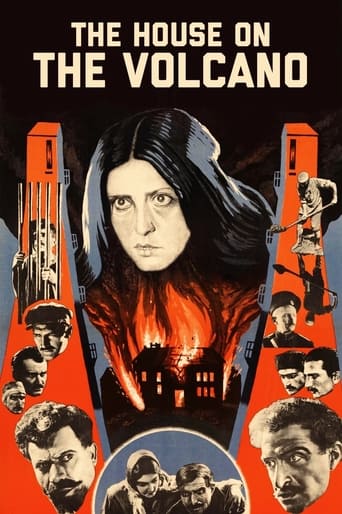
Armenian actor who became figures in Soviet Armenian cinema. Born in 1895 in Nakhichevan-on-Don, he began his artistic journey in theater before transitioning to film during the silent era. His breakthrough came with the 1928 film 'The House on the Volcano,' which established him as a leading actor in Armenian cinema. Throughout his career spanning over three decades, Nersisyan portrayed numerous characters that became cultural touchstones in Armenian society. He worked closely with renowned directors Hamo Beknazarian and Amo Bek-Nazarov, helping to establish the foundations of Armenian national cinema. His performances were characterized by their emotional intensity, authenticity, and deep connection to Armenian cultural identity. He successfully transitioned from silent films to talkies, continuing to deliver powerful performances well into the 1960s. His contributions to Armenian cinema were so significant that he was honored as People's Artist of the USSR, the highest artistic recognition in the Soviet Union.
The Craft
On Screen
Nersisyan's acting style was characterized by powerful emotional intensity combined with authentic naturalism. Drawing from his theatrical background, he brought a commanding presence to his film roles while maintaining a deep connection to the common people he often portrayed. His performances were noted for their psychological depth and ability to convey complex emotions through both subtle gestures and dramatic expressions. In silent films, he mastered the art of conveying emotion through facial expressions and body language, while in sound films, his rich, resonant voice added another dimension to his performances. He had a particular talent for portraying working-class characters with dignity and humanity.
Milestones
- Breakthrough role in 'The House on the Volcano' (1928)
- Iconic performance as Pepo in 'Pepo' (1935)
- Leading role in 'Zangezur' (1938)
- Named People's Artist of the Armenian SSR (1938)
- Awarded Stalin Prize for 'Zangezur' (1941)
- Named People's Artist of the USSR (1956)
- Over 60 film appearances spanning silent and sound eras
- Mentored younger generation of Armenian actors
Best Known For
Iconic Roles
Must-See Films
Accolades
Won
- Stalin Prize (1941) for 'Zangezur'
- Order of Lenin (multiple times)
- Order of the Red Banner of Labor
- People's Artist of the Armenian SSR (1938)
- People's Artist of the USSR (1956)
Special Recognition
- People's Artist of the Armenian SSR
- People's Artist of the USSR
- Stalin Prize recipient
- Multiple Order of Lenin decorations
- Cultural icon in Armenian cinema history
Working Relationships
Worked Often With
Studios
Why They Matter
Impact on Culture
Hrachia Nersisyan's impact on Armenian cinema and culture cannot be overstated. As one of the first major stars of Armenian film, he helped establish a national cinematic identity during the Soviet era. His portrayal of working-class characters with dignity and humanity resonated deeply with Armenian audiences and helped shape cultural perceptions of Armenian identity. Through his roles in films like 'Pepo' and 'Zangezur,' he created enduring archetypes that became part of Armenian cultural consciousness. His work demonstrated that cinema could be a powerful medium for preserving and promoting Armenian culture and values within the Soviet framework. Nersisyan's films continue to be studied and celebrated as classics of Armenian cinema, influencing how Armenians understand their own history and culture.
Lasting Legacy
Hrachia Nersisyan's legacy endures as one of the foundational figures of Armenian cinema. His films remain classics that are regularly screened and studied in Armenia and among diaspora communities. The characters he created, particularly Pepo, have become cultural icons referenced in Armenian literature, theater, and everyday speech. His success in bridging the gap between silent and sound cinema provided a model for other actors transitioning between eras. The awards and honors he received, including the prestigious title of People's Artist of the USSR, cemented his status as a national treasure. Today, film historians and critics recognize him as instrumental in establishing the artistic standards and cultural relevance of Armenian cinema. His influence can be seen in the work of subsequent generations of Armenian actors who continue to draw inspiration from his powerful performances and commitment to cultural authenticity.
Who They Inspired
Nersisyan influenced generations of Armenian actors through his example of combining technical excellence with cultural authenticity. His naturalistic yet emotionally charged acting style became a model for performers seeking to portray Armenian characters with depth and dignity. Many prominent Armenian actors, including Sos Sargsyan and Khoren Abrahamyan, cited Nersisyan as a major influence on their work. His collaborations with directors helped establish working methods that became standard in Armenian film production. Beyond acting, his commitment to preserving Armenian cultural identity through cinema influenced how subsequent generations approached filmmaking in Armenia. His success demonstrated that it was possible to create artistically significant and culturally authentic films within the Soviet system, inspiring other artists to pursue similar goals.
Off Screen
Hrachia Nersisyan was deeply committed to his art and Armenian cultural heritage throughout his life. He married Siranush Achemyan, who was also involved in the arts, and they had one child together. Despite his fame, Nersisyan maintained a humble lifestyle and was known for his generosity toward fellow artists and young performers. He was actively involved in cultural organizations and served as a mentor to many young Armenian actors. His dedication to preserving and promoting Armenian culture through cinema made him a beloved figure in Armenian society. He continued working almost until his death, showing unwavering commitment to his craft.
Education
Theatrical training in Armenian drama schools, early involvement with Armenian theater troupes
Family
- Siranush Achemyan
Did You Know?
- One of the first major stars of Armenian cinema
- Successfully transitioned from silent films to talkies
- His role as Pepo is considered
- Named People's Artist of the USSR, the highest artistic honor in the Soviet Union
- Appeared in over 60 films during his career
- His films are still regularly screened at Armenian film festivals
- The character of Pepo became a cultural reference point in Armenian society
- He was instrumental in establishing Armenian film as a distinct national cinema
- Despite his fame, he remained humble and accessible to fans
- His performances helped define the Armenian cinematic aesthetic
- He continued acting almost until his death in 1961
- His birthplace Nakhichevan-on-Don was historically an Armenian cultural center
In Their Own Words
Acting is not just performing, it's preserving the soul of our people for future generations
Every role I play is a piece of our Armenian heritage that must be treated with respect
The camera doesn't lie - it shows the truth in your heart
To be an actor is to carry the stories of your nation on your shoulders
Frequently Asked Questions
Who was Hrachia Nersisyan?
Armenian with credits in this catalog. He was active from the 1920s through the 1960s and is best known for his roles in classic Armenian films like 'Pepo' and 'Zangezur'.
What films is Hrachia Nersisyan best known for?
Titles linked here include Pepo (1935), Zangezur (1938).
When was Hrachia Nersisyan born and when did he die?
Born December 12, 1895; died November 6, 1961.
What awards did Hrachia Nersisyan win?
Nersisyan received numerous prestigious awards including the Stalin Prize in 1941, was named People's Artist of the Armenian SSR in 1938, and achieved the highest honor of People's Artist of the USSR in 1956.
What was Hrachia Nersisyan's acting style?
Nersisyan's acting style combined powerful emotional intensity with authentic naturalism, drawing from his theatrical background. He was known for portraying working-class characters with dignity and psychological depth, successfully transitioning from silent films' expressive techniques to sound cinema's nuanced performances.
What was Hrachia Nersisyan's impact on Armenian cinema?
Nersisyan was instrumental in establishing Armenian cinema as a distinct national art form within the Soviet system. His iconic performances created enduring cultural archetypes and helped define Armenian cinematic identity, influencing generations of actors and filmmakers.
Did Hrachia Nersisyan work with any famous directors?
Yes, Nersisyan frequently collaborated with renowned Armenian directors including Hamo Beknazarian and Amo Bek-Nazarov, who were pioneers of Armenian cinema. These collaborations produced some of the most significant films in Armenian cinematic history.