Paweł Owerłło
Actor
Born: June 15, 1868 in Warsaw, Poland Died: March 7, 1933 Active: 1921-1928
Films
3 films
About Paweł Owerłło
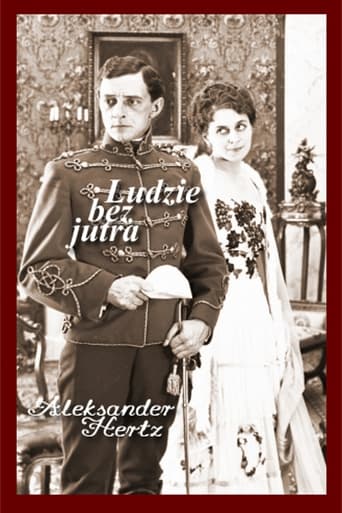
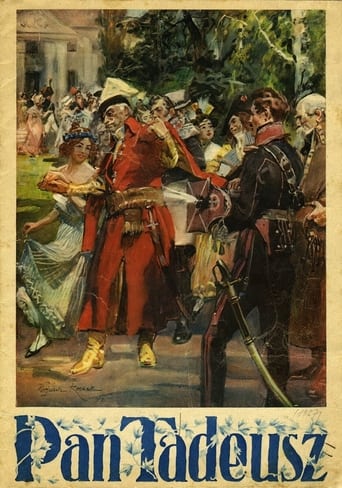
Polish stage and film actor who was active during the silent film era of the 1920s. He began his career in theater before transitioning to the burgeoning Polish film industry, where he appeared in several notable productions during the golden age of Polish silent cinema. His most significant film role was in the 1928 adaptation of Adam Mickiewicz's epic poem 'Pan Tadeusz,' works in Polish literature. Owerłło's performance in this film, alongside his earlier work in 'Ludzie bez jutra' (1921), established him as a recognizable character actor in Polish cinema of the period. His the crucial transitional years when Polish cinema was developing its own distinct identity separate from foreign influences. Though his film career was relatively brief, concentrated primarily in the 1920s, his contributions to early Polish cinema were significant in helping establish the foundation for Poland's film industry.
The Craft
On Screen
Classical theatrical style adapted for silent film, characterized by expressive gestures and dramatic presence typical of the transition from stage to screen acting in the 1920s
Milestones
- Stage acting career in Warsaw theaters
- Film debut in 'Ludzie bez jutra' (1921)
- Notable role in 'Pan Tadeusz' (1928)
- Contributions to Polish silent cinema
Best Known For
Iconic Roles
Must-See Films
Accolades
Special Recognition
- Recognition as a pioneer of Polish cinema
Working Relationships
Studios
Why They Matter
Impact on Culture
Paweł Owerłło contributed to the early development of Polish cinema during a crucial period when the nation was reestablishing its cultural identity after regaining independence. His participation in adaptations of Polish literary classics, particularly 'Pan Tadeusz,' helped bridge the gap between Poland's rich literary tradition and its emerging film industry. These early adaptations were instrumental in creating a distinctly Polish cinematic language that drew upon the nation's cultural heritage. Though not a major star, his work as a character actor in these foundational films represents the collective effort of artists who helped establish Poland's place in international cinema during the silent era.
Lasting Legacy
Paweł Owerłło's legacy lies in his contribution to the preservation and adaptation of Polish literary classics for the screen during the formative years of Polish cinema. His work in 'Pan Tadeusz' (1928) represents one of the earliest attempts to bring Adam Mickiewicz's masterpiece to film, a work that would be adapted multiple times throughout Polish cinema history. As part of the first generation of Polish film actors, he helped establish the tradition of adapting national literature for cinematic audiences, a practice that would become central to Polish film culture. His career shows the artists who worked to build Poland's film industry from the ground up during the interwar period.
Who They Inspired
As a character actor in early Polish cinema, Paweł Owerłło influenced subsequent generations of Polish actors by helping establish acting techniques for literary adaptations. His work demonstrated how theatrical performance could be successfully translated to the silent film medium, particularly for roles based on classic Polish literature. While not widely known internationally, his contributions were part of the foundation that later Polish cinema would build upon, influencing how Polish actors approached roles in literary adaptations throughout the 20th century.
Off Screen
Paweł Owerłło lived during a transformative period in Polish history, spanning the partitions of Poland, World War I, and the establishment of the Second Polish Republic. His career reflected the cultural renaissance that occurred in Poland following its regained independence in 1918. Details about his personal life are limited, as was common for actors of his era, particularly those who worked primarily in theater rather than achieving major film stardom.
Did You Know?
- Born in Warsaw during the period of Russian partition of Poland
- His active years covered the transition from theater to silent film
- Appeared in one of the first film adaptations of 'Pan Tadeusz'
- Worked during the golden age of Polish silent cinema (1920s)
- His film career was relatively brief but occurred during a pivotal time in Polish cinema history
- Participated in the cultural renaissance of the Second Polish Republic
- His acting style reflected the classical training common among theater actors of his generation
Frequently Asked Questions
Who was Paweł Owerłło?
Polish stage and film with credits in this catalog. He was known for his roles in early Polish cinema, particularly in adaptations of Polish literary classics like 'Pan Tadeusz' (1928).
What films is Paweł Owerłło best known for?
Titles linked here include Ludzie bez jutra (1921), Pan Tadeusz (1928).
When was Paweł Owerłło born and when did he die?
Born June 15, 1868; died March 7, 1933.
What awards did Paweł Owerłło win?
There are no recorded major awards for Paweł Owerłło, which was common for actors of his era, particularly those working in silent cinema. His recognition comes from his role in early Polish film history.
What was Paweł Owerłło's acting style?
His acting style was classical and theatrical, adapted for silent film performance. He employed expressive gestures and dramatic presence typical of actors transitioning from stage to screen during the 1920s, which was essential for conveying emotion without dialogue.
How did Paweł Owerłło contribute to Polish cinema?
He contributed to Polish cinema by participating in the adaptation of national literary classics for film, helping establish a distinctly Polish cinematic tradition. His work in 'Pan Tadeusz' was particularly significant in bringing one of Poland's most important literary works to the screen for the first time.