Hiroo Wakabayashi
Actor
Born: null in Japan Died: null Active: 1927-1937 Birth Name: 若林広雄 (Wakabayashi Hiroo)
Films
1 film
About Hiroo Wakabayashi
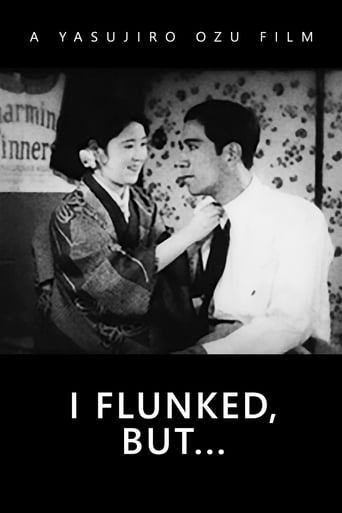
Japanese character actor active during the transitional period of the silent era at the prestigious Shochiku Kamata Studios. He is most significantly recognized for his collaborations with the director Yasujirō Ozu, appearing in early works that defined the 'Kamata-style' of light comedy and social realism. Wakabayashi often portrayed authoritative or academic figures, such as professors and police officers, providing a grounded contrast to the youthful energy of the studio's leading stars. His career was deeply embedded in the studio system of the 1920s and 1930s, where he worked alongside icons like Kinuyo Tanaka and Tatsuo Saitō. Although his filmography is concentrated in the late silent and early sound period, his contributions to the foundational years of Japanese cinema remain preserved in the archives of Shochiku. His performance in 'I Flunked, But.' (1930) serves as a quintessential example of his ability to blend professional gravitas with the subtle humor characteristic of Ozu's early 'student comedies.'
The Craft
On Screen
Wakabayashi was known for a disciplined and understated acting style, often referred to as the 'Kido Touch' style prevalent at Shochiku. He specialized in playing 'dignified' characters—professors, officers, and mentors—who acted as the social conscience or the foil to the rebellious youth in student comedies. His performances were marked by a naturalistic approach that avoided the exaggerated gestures of earlier Kabuki-influenced cinema.
Milestones
- Cast as a Professor in Yasujirō Ozu's 'I Flunked, But.' (1930), a key film in the director's early career.
- Established a recurring presence at Shochiku Kamata Studios during the Golden Age of Japanese silent cinema.
- Collaborated with major directors of the era including Yasujirō Ozu and Hiroshi Shimizu.
- Appeared in 'The Village Bride' (1928), a notable early work in the Shochiku catalog.
- Played a Police Officer in the 1930 social drama 'Young People, Why Do You Weep?'
Best Known For
Iconic Roles
Must-See Films
Accolades
Won
Nominated
Special Recognition
- Recognized in historical retrospectives of Shochiku Kamata Studios' silent film era.
- Featured in David Bordwell's definitive study 'Ozu and the Poetics of Cinema' as a key supporting player.
Working Relationships
Worked Often With
Studios
Why They Matter
Impact on Culture
Hiroo Wakabayashi was part of the movement that modernized Japanese acting, moving away from theatricality toward the 'Gendaigeki' (contemporary drama) style. His presence in Ozu's early films helped establish the 'salaryman' and 'student' archetypes that would dominate Japanese cinema for decades. By playing the authoritative figures in these comedies, he helped reflect the social tensions between traditional Meiji-era values and the burgeoning modernism of the Showa era.
Lasting Legacy
His legacy is primarily preserved through the surviving prints of Yasujirō Ozu's silent films. As a character actor at Shochiku, he represents the high standard of supporting talent that allowed the Japanese studio system to rival Hollywood in productivity and artistic quality during the 1930s. Film historians value his work for providing a window into the social hierarchy and educational culture of pre-war Japan.
Who They Inspired
His portrayal of the 'stern but fair' academic influenced the characterization of teachers and professors in later Japanese 'school dramas' (Gakuen-mono).
Off Screen
Little is recorded of Wakabayashi's private life outside of his studio tenure, which was common for supporting players of the 1930s. He was a contemporary of the 'Kamata group,' a close-knit circle of actors and directors who lived and worked near the Shochiku studios in Tokyo.
Education
Trained within the Shochiku actor development system, which emphasized modern, Western-influenced performance techniques.
Family
Did You Know?
- He appeared in 'I Flunked, But.' which was filmed in just one week in early 1930.
- Despite his frequent roles as professors, he was often working with actors like Chishū Ryū who were actually quite close to him in age.
- He is often confused with the modern actor Gō Wakabayashi or the photographer Yasuhiro 'Hiro' Wakabayashi due to name similarities.
- His film 'Children in the Wind' (1937) is considered one of the masterpieces of Hiroshi Shimizu's career.
- He was a staple of the 'student comedy' genre, a popular trend in 1930s Japan that mirrored American collegiate films.
In Their Own Words
Even if you didn't graduate, nobody can stop you from wearing a suit. (Context: A thematic sentiment from the Ozu films he participated in, reflecting the resilience of the characters he interacted with.)
Frequently Asked Questions
What films is Hiroo Wakabayashi best known for?
Titles linked here include I Flunked, But. (1930), The Village Bride (1928).