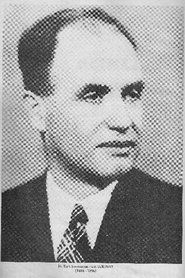
Fuat Uzkınay
Director
Born: 1888 in Istanbul, Ottoman Empire Died: March 29, 1956 Active: 1914-1950s
Films
1 film
About Fuat Uzkınay
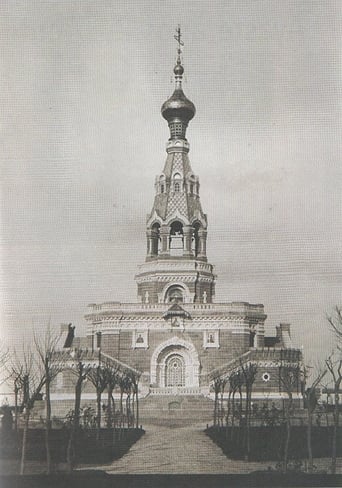
Turkish military officer and filmmaker who is widely regarded as the father of Turkish cinema. Born in Istanbul in 1888, he served as an officer in the Ottoman Army and was assigned to the Central Army Cinema Department, where he discovered his passion for filmmaking. His most significant contribution came in 1914 when he directed 'The Demolition of the Russian Monument at St Stephen,' a documentary short that is considered the first film made in Turkey. Throughout World War I, Uzkınay continued to document military operations and significant historical events, creating a valuable visual archive of the period. After the war, he dedicated himself to developing Turkish cinema through education and mentorship, helping establish the country's first film societies and training programs. His work bridged the gap between military documentation and artistic filmmaking, laying the foundation for Turkey's future film industry. Uzkınay's legacy extends beyond his own films to the generations of Turkish filmmakers he inspired and trained.
The Craft
Behind the Camera
Documentary-style approach with military precision, focusing on historical events and actual footage rather than staged scenes. His directing style emphasized authenticity and historical documentation, reflecting his military background.
Milestones
- Directed Turkey's first film in 1914
- Served as chief cameraman for Ottoman Army during WWI
- Established Turkey's first film training programs
- Founded early Turkish film societies
- Documented major historical events of the late Ottoman period
- Mentored first generation of Turkish filmmakers
Best Known For
Must-See Films
Accolades
Special Recognition
- Recognized as the father of Turkish cinema
- Turkish film festivals often include special categories named in his honor
Working Relationships
Worked Often With
Studios
Why They Matter
Impact on Culture
Fuat Uzkınay's impact on Turkish culture and cinema cannot be overstated. His 1914 film marked the birth of Turkish cinema, establishing a national cinematic tradition during a period of immense political and social transformation. As a military officer-turned-filmmaker, Uzkınay brought a unique perspective to early Turkish film, combining technical precision with historical consciousness. His work documented crucial moments in Turkish history, from the late Ottoman period through the founding of the Turkish Republic, creating an invaluable visual archive. Uzkınay's emphasis on documentary realism influenced the development of Turkish cinema's distinctive voice, which often prioritized social commentary and historical reflection. His establishment of film training programs and societies helped create the infrastructure necessary for a sustainable Turkish film industry, ensuring that cinema would become an important cultural institution in the new Turkish Republic.
Lasting Legacy
Fuat Uzkınay's legacy endures as the foundational figure of Turkish cinema. His work established filmmaking as a legitimate art form in Turkey and inspired generations of Turkish directors, cinematographers, and producers. The annual Turkish film festivals often feature special retrospectives of his work, and film schools teach his techniques and historical contributions. Uzkınay's approach to documentary filmmaking influenced Turkey's strong documentary tradition, which continues to be an important part of the country's cinematic output. His name is synonymous with the birth of Turkish cinema, and he is celebrated as a national hero who helped preserve Turkish history through the medium of film. The techniques he developed for military documentation evolved into sophisticated cinematic methods that continue to influence Turkish filmmakers today.
Who They Inspired
Uzkınay influenced Turkish cinema by establishing the documentary tradition that remains strong in Turkish filmmaking. His military background brought technical precision and organizational skills to early Turkish film production. He mentored the first generation of Turkish filmmakers, sharing his knowledge of camera work, editing, and film development. His approach to capturing real historical events inspired future Turkish directors to focus on socially relevant content. Uzkınay's work demonstrated how cinema could serve both artistic and national purposes, a concept that influenced Turkish state film policies throughout the 20th century.
Off Screen
Fuat Uzkınay lived a life dedicated to both military service and the development of Turkish cinema. He balanced his career as an Ottoman and later Turkish military officer with his passion for filmmaking. His military background provided him with unique opportunities to document historical events and access to early film equipment. Uzkınay was known for his dedication to educating future generations of Turkish filmmakers, often conducting informal training sessions and workshops.
Education
Military education in Ottoman Army; specialized training in photography and cinematography through military service
Family
- Unknown
Did You Know?
- His 1914 film was only 1 minute long but is considered Turkey's first film
- He was a serving military officer when he made his first film
- The Russian monument he filmed was demolished as part of anti-Russian sentiment during WWI
- His film equipment was provided by the French army
- Uzkınay continued making films while serving on various fronts during WWI
- Many of his WWI films have been lost but are referenced in military archives
- He helped establish Turkey's first cinema club in 1915
- His military rank gave him access to events other filmmakers couldn't capture
- Uzkınay's films are studied in Turkish film schools as examples of early documentary techniques
- The location where he filmed his first movie is now marked with a historical plaque in Istanbul
In Their Own Words
Cinema is the eye of history, capturing moments that words cannot describe
Every frame I shoot is a piece of our nation's story
The camera is mightier than the sword when it comes to preserving truth
Frequently Asked Questions
Who was Fuat Uzkınay?
Turkish military officer and filmmaker who is widely considered the father of Turkish cinema. He directed the first Turkish film in 1914 and pioneered documentary filmmaking in Turkey during the late Ottoman and early Republican periods.
What films is Fuat Uzkınay best known for?
Titles linked here include The Demolition of the Russian Monument at St Stephen (1914), Various WWI military documentaries.
When was Fuat Uzkınay born and when did he die?
Born 1888; died March 29, 1956.
What awards did Fuat Uzkınay win?
While Uzkınay didn't receive formal awards during his lifetime, he is posthumously recognized as the father of Turkish cinema, with Turkish film festivals often including special categories and retrospectives in his honor.
What was Fuat Uzkınay's directing style?
Uzkınay's directing style was documentary-focused, emphasizing authenticity and historical documentation. His military background influenced his precise, technical approach to filming real events rather than staged scenes.
How did Fuat Uzkınay contribute to Turkish cinema?
Uzkınay established the foundation of Turkish cinema by making the first Turkish film, training future filmmakers, and creating film societies. His documentary work preserved crucial historical moments and influenced generations of Turkish directors.
What was unique about Fuat Uzkınay's approach to filmmaking?
Uzkınay uniquely combined his military career with filmmaking, using army resources and his position to document historical events. His approach emphasized preserving national history through cinema, a philosophy that influenced Turkish film culture.