
Films
1 film
About Charles D. Lucas
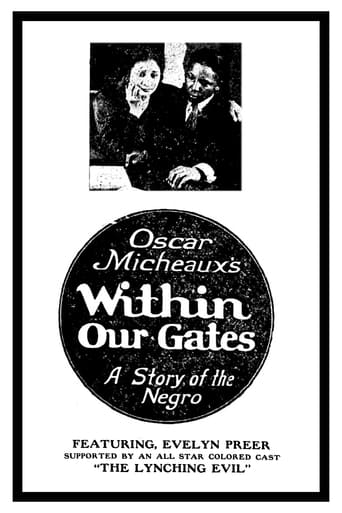
African American actor who worked during the silent film era, primarily in the early 1920s. His most notable and documented work was in Oscar Micheaux's 1920 film 'Within Our Gates,' which is recognized as the oldest surviving feature film directed by an African American. Lucas appeared American cinema when African American filmmakers were creating their own productions to counter the racist portrayals prevalent in mainstream Hollywood films. His participation in Micheaux's work placed him at the forefront of early Black cinema, though like many actors of his era, his career was likely limited by the racial barriers and opportunities available to African American performers. Unfortunately, detailed records of his life and career beyond this single film credit are scarce, a common issue for many actors from this period, particularly those in independent Black cinema.
The Craft
Milestones
- Appeared in Oscar Micheaux's 'Within Our Gates' (1920)
Best Known For
Iconic Roles
Must-See Films
Working Relationships
Worked Often With
Why They Matter
Impact on Culture
Charles D. Lucas, through his participation in 'Within Our Gates,' contributed to. The film was a direct response to D.W. Griffith's controversial 'The Birth of a Nation' and sought to present a more authentic portrayal of African American life and experiences. By working with Oscar Micheaux, Lucas was part of a effort to create Black-controlled media and challenge the racist stereotypes prevalent in mainstream American cinema during the early 20th century.
Lasting Legacy
While Charles D. Lucas's individual legacy is difficult to trace due to limited documentation, his contribution to 'Within Our Gates' ensures his place in film history as part of the foundation of African American cinema. The film itself has become a crucial historical document, studied by film scholars and historians for its artistic merit and cultural significance. Lucas's performance, like those of his fellow cast members, represents the early efforts of African American actors to claim agency over their own representation on screen.
Who They Inspired
Due to the limited documentation of his career and the brevity of his known filmography, it's difficult to trace Charles D. Lucas's direct influence on subsequent generations of actors. However, his participation in early Black cinema contributed to the foundation that would later allow African American performers greater opportunities in the film industry.
Off Screen
Very little is documented about Charles D. Lucas's personal life, which is typical for many African American actors from the silent era who worked in independent productions. Historical records from this period are often incomplete, especially for performers who were not part of the major studio system.
Did You Know?
- Appeared in the oldest surviving feature film directed by an African American
- Worked with filmmaker Oscar Micheaux
- His film career appears to have been limited to the year 1920
- Participated in a film that was a direct response to D.W. Griffith's 'The Birth of a Nation'
- Like many actors of his era, especially African American performers, detailed biographical information is scarce
Frequently Asked Questions
Who was Charles D. Lucas?
African American with credits in this catalog.
What films is Charles D. Lucas best known for?
Titles linked here include Within Our Gates (1920).
When was Charles D. Lucas born and when did he die?
Unfortunately, the birth and death dates for Charles D. Lucas are not documented in historical records, which is common for many actors from the silent era, particularly those in independent Black cinema.
What awards did Charles D. Lucas win?
There are no documented awards or nominations for Charles D. Lucas, which was typical for many actors during the early silent film period, especially those working in independent productions.
What was Charles D. Lucas's acting style?
Specific details about Charles D. Lucas's acting style are not documented in historical records. Like many actors from the silent era, his performance would have relied on physical expression and pantomime to convey emotion and story.
Why is Charles D. Lucas significant in film history?
Charles D. Lucas is significant because he participated in early African American cinema during a time when Black filmmakers were creating their own productions to counter racist portrayals. His work in 'Within Our Gates' places him at the foundation of Black cinema history.