Harry Revier
Director
Born: June 16, 1889 in Philadelphia, Pennsylvania, United States Died: August 13, 1957 Active: 1917-1942
Films
3 films
About Harry Revier
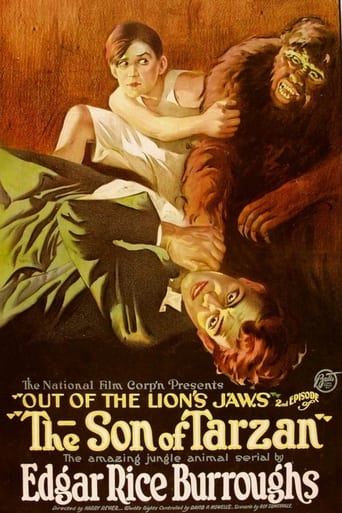
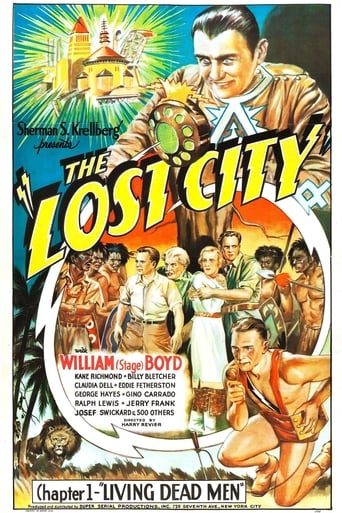
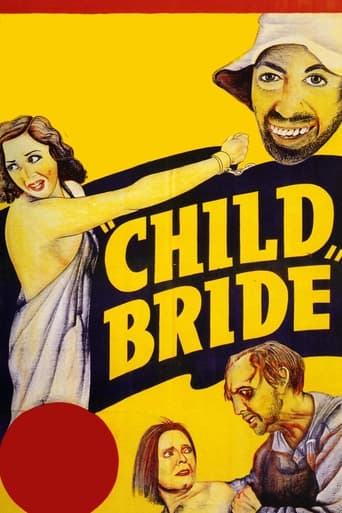
American film director who carved out a unique niche in Hollywood during the transition from silent films to talkies. Beginning his career in the film industry around 1917, Revier quickly established himself as a prolific director capable of working across multiple genres, though he found particular success with adventure films and exploitation pictures. His 1920 film 'The Son of Tarzan' showcased his ability to handle ambitious productions during the silent era, while his later work like 'The Lost City' (1935) demonstrated his adaptability to the sound era. Revier was known for his efficiency and ability to complete productions on tight budgets, making him a valuable director for independent producers and smaller studios. His most controversial work, 'Child Bride' (1942), became notorious exploitation films of its era and cemented his reputation as a director willing to tackle taboo subjects. Throughout his career, Revier directed over 60 films, maintaining steady work through the changing landscape of Hollywood until his retirement in the early 1940s. His career represents a fascinating chapter in Hollywood history, exemplifying the journey of a journeyman director who navigated the industry's evolution while maintaining a distinct artistic voice.
The Craft
Behind the Camera
Harry Revier was known for his practical, efficient directing style that emphasized getting the most out of limited budgets and tight schedules. He had a knack for creating atmospheric scenes with minimal resources, particularly in jungle and adventure settings. Revier's approach was straightforward and unpretentious, focusing on storytelling momentum rather than artistic experimentation. He demonstrated particular skill in managing action sequences and maintaining narrative drive across serial formats. His work in exploitation films showed a willingness to push boundaries while maintaining a commercial sensibility that appealed to audiences seeking sensational content.
Milestones
- Directed 'The Son of Tarzan' (1920), one of the earliest Tarzan film adaptations
- Created the 12-chapter serial 'The Lost City' (1935)
- Directed the controversial exploitation film 'Child Bride' (1942)
- Successfully transitioned from silent films to talkies
- Directed over 60 films during his 25-year career
Best Known For
Must-See Films
Working Relationships
Worked Often With
Studios
Why They Matter
Impact on Culture
Harry Revier's work, particularly in the exploitation genre, had a significant impact on the development of sensational cinema in America. His film 'Child Bride' became part of the exploitation circuit that pushed the boundaries of acceptable content in the 1940s, influencing later filmmakers working in similar genres. Revier's Tarzan adaptation contributed to the early popularization of one of cinema's most enduring characters. His serial work, particularly 'The Lost City,' helped maintain audience interest in chapter plays during the transition to sound. While never achieving mainstream critical acclaim, Revier's films represent an important aspect of Hollywood's commercial cinema history, showcasing how independent filmmakers operated outside the studio system.
Lasting Legacy
Harry Revier's legacy lies in his contribution to the exploitation and adventure film genres, as well as his role in preserving serial formats during the challenging transition from silent to sound cinema. His most notorious film, 'Child Bride,' continues to be studied by film historians interested in exploitation cinema and censorship battles of the 1940s. Revier's career exemplifies the journey of a journeyman director who successfully navigated the changing landscape of Hollywood for over two decades. While his name may not be as recognizable as major studio directors, his work provides valuable insight into the commercial filmmaking practices of his era and the independent film scene that operated parallel to the major studio system.
Who They Inspired
Revier influenced later exploitation filmmakers through his willingness to tackle controversial subjects and his efficient production methods. His work in serial formats helped pave the way for later adventure series and television serials. Directors working in low-budget genre cinema have drawn inspiration from Revier's ability to create compelling narratives with limited resources. His Tarzan adaptation contributed to the visual and narrative language that would define later jungle adventure films. While not widely acknowledged, Revier's practical approach to filmmaking influenced generations of directors working outside the mainstream studio system.
Off Screen
Harry Revier was married to actress Mildred June, who frequently appeared in his films during the 1920s. The couple had one child together. Revier was known as a family man who maintained a relatively private personal life despite working in the often-sensational world of exploitation cinema. After retiring from filmmaking in the early 1940s, he lived quietly in Los Angeles until his death in 1957 at the age of 68.
Education
Limited formal education in filmmaking; learned through practical experience in the early film industry
Family
- Mildred June (1920s-1930s)
Did You Know?
- Directed over 60 films in just 25 years, averaging more than two films per year
- 'The Son of Tarzan' was one of the first Tarzan films to feature a different actor playing the adult Tarzan (Kamuela C. Searle)
- 'Child Bride' was banned in several cities but became a box office success through exploitation distribution channels
- Often worked with budgets under $50,000, making him
- His wife Mildred June appeared in at least 10 of his films
- Started his career as an actor before transitioning to directing
- Many of his films are now considered lost due to poor preservation practices of the era
- Worked extensively in both silent and sound films, making him one of the few directors to successfully bridge both eras
- His serial 'The Lost City' was originally intended as a feature film but was expanded to 12 chapters
- Revier was known for completing films ahead of schedule, a rarity in the industry
In Their Own Words
I make pictures for the people who pay to see them, not for the critics who get in for free
A good story doesn't need a big budget, it needs a big heart
In this business, you learn to make something out of nothing, or you make nothing at all
Frequently Asked Questions
Who was Harry Revier?
American on YTB.my. He worked primarily with independent producers and smaller studios, becoming known for his efficiency in completing productions on limited budgets.
What films is Harry Revier best known for?
Titles linked here include The Son of Tarzan (1920), The Lost City (1935).
When was Harry Revier born and when did he die?
Born June 16, 1889; died August 13, 1957.
What awards did Harry Revier win?
Harry Revier did not receive major industry awards or Academy recognition during his career. As a director working primarily in independent and exploitation cinema, his work was largely overlooked by mainstream award organizations, though his films found commercial success with audiences.
What was Harry Revier's directing style?
Revier's directing style was characterized by practical efficiency and economical storytelling. He excelled at creating atmospheric scenes with minimal resources, particularly in adventure and jungle settings. His approach was straightforward and commercially oriented, focusing on narrative momentum and audience appeal rather than artistic experimentation.