Films
1 film
About Enrique Acosta
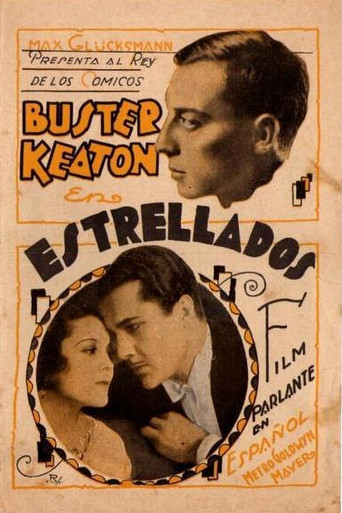
Character actor active during the early transition to sound in Hollywood, specifically within the niche of Spanish-language versions of American films. During the late 1920s and early 1930s, major studios like Metro-Goldwyn-Mayer produced parallel versions of their features in Spanish to capture the international market before dubbing became the industry standard. Acosta is most notably recognized for his role in 'Estrellados' (1930), which was the Spanish-language version of the Buster Keaton comedy 'Free and Easy'. In this production, he worked alongside a cast of Hispanic actors brought in to recreate the slapstick humor for Spanish-speaking audiences. His career represents a specific, brief era in cinematic history where bilingual talent was essential for the global distribution strategies of the 'Big Five' studios. While his credited filmography is sparse, his participation in these 'multilinguals' highlights the experimental phase of early talkies.
The Craft
On Screen
Acosta's acting style was rooted in the theatrical traditions of the early 20th century, adapted for the burgeoning medium of sound film. In 'Estrellados', he utilized a mix of physical comedy and expressive vocal delivery required to match the high-energy slapstick of the original Buster Keaton source material. Like many actors in Spanish-language versions, his performance had to bridge the gap between American cinematic pacing and the linguistic nuances of the Spanish-speaking world.
Milestones
- Cast in the significant MGM Spanish-language production 'Estrellados' in 1930
- Collaborated with Buster Keaton during the comedian's transition into sound films
- Participated in the early Hollywood 'Multilingual' movement designed for international markets
- Worked under the direction of Edward Sedgwick and Pedro Elviro
Best Known For
Iconic Roles
Must-See Films
Working Relationships
Worked Often With
Studios
Why They Matter
Impact on Culture
Enrique Acosta's work in 'Estrellados' is a cultural artifact of the 'Spanish Hollywood' era. This period was crucial because it allowed Spanish-speaking audiences to see major Hollywood stars like Buster Keaton interacting with actors who spoke their native tongue, fostering a unique cross-cultural cinematic experience. His presence in these films helped pave the way for the recognition of Hispanic talent in the American film industry, even if many of these actors remained in supporting roles.
Lasting Legacy
Acosta's legacy is tied to the preservation of early sound film history. As the Spanish-language versions of many films were lost or neglected for decades, the rediscovery of films like 'Estrellados' has brought renewed interest to the actors who populated these 'lost' versions of Hollywood classics. He remains a representative of the diverse workforce that built the foundation of the global film industry during the Golden Age.
Who They Inspired
He influenced the early development of Spanish-language cinema in the United States by demonstrating the viability of Hispanic actors in major studio productions. His work provided a template for the character archetypes that would become common in the 'Golden Age of Mexican Cinema' which flourished shortly after this period.
Off Screen
Very little is documented regarding Enrique Acosta's personal life outside of his brief tenure in the Hollywood studio system. He was part of a community of Spanish-speaking actors in Los Angeles during the 1930s who moved between theater and film work. Records from this era suggest he was likely involved in the vibrant Latino cultural scene that supported the production of Spanish-language media in Southern California.
Did You Know?
- Acosta worked in a production environment where scenes were often filmed twice: once in English and once in Spanish with a different cast.
- The Spanish version he appeared in is often considered by film historians to be more rhythmically interesting than the English original due to the cast's energy.
- He was part of a select group of actors who helped MGM navigate the 'language barrier' crisis of 1929-1931.
- His film 'Estrellados' features a rare look at the behind-the-scenes operations of a 1930s movie studio.
In Their Own Words
No specific quotes are recorded in historical archives for this individual.
Frequently Asked Questions
Who was Enrique Acosta?
Character with credits in this catalog. He is best known for his role in the MGM production 'Estrellados'.
What films is Enrique Acosta best known for?
Titles linked here include Estrellados (1930).
When was Enrique Acosta active in Hollywood?
Born null; died null.
What was the significance of the film 'Estrellados'?
It was part of a movement where studios filmed entire movies in Spanish to cater to international audiences before the technology for dubbing was perfected. It featured Buster Keaton performing his own stunts alongside a Spanish-speaking cast.
What was Enrique Acosta's acting style?
Acosta utilized a theatrical and expressive style suited for the early sound era's technical requirements, often performing in comedies that required physical timing and clear vocal projection.