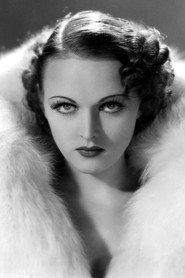
Dorothy Arnold
Actor
Born: November 23, 1917 in Palo Alto, California, USA Died: November 13, 1984 Active: 1937-1947 Birth Name: Dorothy Arnoldine Seeman
Films
1 film
About Dorothy Arnold
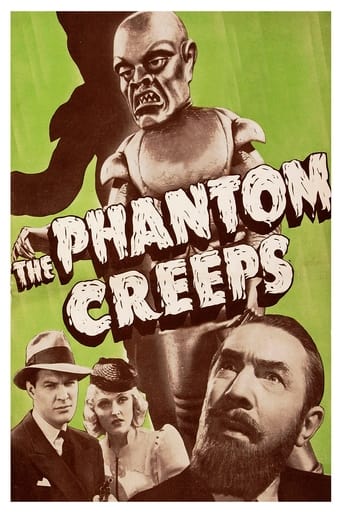
American actress who rose to prominence in the late 1930s Hollywood scene. Born Dorothy Arnoldine Seeman in Palo Alto, California, she began her acting career with MGM studios and quickly secured roles in several notable films. Her most famous personal connection was her marriage to baseball legend Joe DiMaggio from 1939 to 1944, which made her a prominent figure in both Hollywood and sports circles. Dorothy appears in various genres including comedies, dramas, and even science fiction serials like 'The Phantom Creeps' (1939). Her career, though relatively brief, spanned from 1937 to approximately 1947, during which she worked with some of Hollywood's biggest stars. After her divorce from DiMaggio and the decline of her acting career, she largely withdrew from public life. Her legacy remains as both a capable character actress of the Golden Age and as a significant figure in the personal life of one of baseball's greatest players.
The Craft
On Screen
Dorothy Arnold specialized in playing the 'other woman' or supporting female roles with a sophisticated and sometimes slightly mysterious demeanor. Her acting style was typical of the studio system era, polished and professional, though she rarely had the opportunity to showcase dramatic range in leading roles. She excelled at light comedy and could deliver witty dialogue with the timing expected of MGM contract players.
Milestones
- Marriage to baseball legend Joe DiMaggio (1939-1944)
- Contract player at MGM Studios
- Appeared in 'The Phantom Creeps' (1939) serial
- Supporting roles in major 1930s films
- Worked with stars like Joan Crawford and Errol Flynn
Best Known For
Iconic Roles
Must-See Films
Working Relationships
Worked Often With
Studios
Why They Matter
Impact on Culture
Dorothy Arnold's cultural impact stems primarily from her position at the intersection of Hollywood and sports history during the Golden Age. Her marriage to Joe DiMaggio represented the growing connection between celebrity culture across different entertainment spheres in the 1940s. As a contract player during the studio system era, she contributed to the factory-like production of films that defined Hollywood's golden period. Her appearance in 'The Phantom Creeps' places her within the important tradition of movie serials that were crucial to Saturday matinee culture and early science fiction cinema.
Lasting Legacy
Dorothy Arnold's legacy is twofold: as a representative of the many capable supporting actresses who populated Golden Age Hollywood films, and as a significant figure in the personal history of baseball legend Joe DiMaggio. While she never achieved stardom on the level of her contemporaries, her filmography provides a window into the types of roles available to women in studio contract positions during the late 1930s and early 1940s. Her story illustrates the transient nature of fame in Hollywood and how personal relationships could sometimes overshadow professional achievements.
Who They Inspired
As a supporting actress during the studio system era, Dorothy Arnold's direct influence on other performers is not well documented. However, her career trajectory and the types of roles she played influenced how subsequent generations of character actresses approached similar positions in Hollywood. Her ability to maintain a career across various genres, from comedy to science fiction serials, demonstrated the versatility required of contract players during this period.
Off Screen
Dorothy Arnold's personal life was marked by her high-profile marriage to baseball icon Joe DiMaggio, which began in 1939 and ended in divorce in 1944. Their marriage was heavily covered by the media, representing the union of Hollywood glamour and sports stardom. After her divorce from DiMaggio, she married businessman Robert Blum in 1954. She had no children from either marriage. In her later years, she lived a relatively private life in Palm Springs, California, away from the Hollywood spotlight.
Education
Information about her formal education is not widely documented in historical records
Family
- Joe DiMaggio (1939-1944)
- Robert Blum (1954-1984)
Did You Know?
- Her marriage to Joe DiMaggio was one of the first high-profile Hollywood-sports celebrity marriages
- She was still married to DiMaggio when he began his famous relationship with Marilyn Monroe
- Her birth name was Dorothy Arnoldine Seeman
- She appeared in the science fiction serial 'The Phantom Creeps' starring Bela Lugosi
- She was under contract to MGM during the peak of her career
- Her acting career effectively ended around the same time as her divorce from DiMaggio
- She was 26 years old when she married the 29-year-old DiMaggio
- She died just 10 days before her 67th birthday
- Her film 'The Phantom Creeps' was later compiled into a feature film for television
- She worked with some of MGM's biggest stars including Joan Crawford and Rosalind Russell
In Their Own Words
No widely documented famous quotes from Dorothy Arnold are available in historical records
Frequently Asked Questions
Who was Dorothy Arnold?
American actress active during the late 1930s and 1940s, best known for her supporting roles in Hollywood films and her marriage to baseball legend Joe DiMaggio. She was a contract player at MGM and appeared in various genres including the science fiction serial 'The Phantom Creeps' (1939).
What films is Dorothy Arnold best known for?
Titles linked here include The Phantom Creeps (1939), Mannequin (1937).
When was Dorothy Arnold born and when did she die?
Born November 23, 1917; died November 13, 1984.
What awards did Dorothy Arnold win?
Dorothy Arnold did not receive any major film industry awards or nominations during her career. Her recognition came primarily from her high-profile marriage to Joe DiMaggio rather than her acting achievements.
What was Dorothy Arnold's acting style?
Dorothy Arnold specialized in supporting roles with a sophisticated demeanor, typical of MGM contract players of her era. She excelled at light comedy and played various 'other woman' or supporting female characters with professional polish and wit.
How long was Dorothy Arnold married to Joe DiMaggio?
Dorothy Arnold was married to baseball legend Joe DiMaggio from 1939 to 1944, a period of five years. Their marriage was heavily covered by the media and represented a union of Hollywood and sports celebrity culture.
Did Dorothy Arnold have children?
No, Dorothy Arnold did not have any children from either of her two marriages - first to Joe DiMaggio and later to businessman Robert Blum.
What happened to Dorothy Arnold's acting career?
Dorothy Arnold's acting career declined around the mid-1940s, roughly coinciding with her divorce from Joe DiMaggio. She made her last film appearances around 1947 and subsequently retired from acting, living a more private life thereafter.