Annette Kellerman
Actor
Born: July 6, 1886 in Sydney, New South Wales, Australia Died: November 6, 1975 Active: 1905-1930s (film career 1914-1924) Birth Name: Annette Marie Sarah Kellerman
Films
1 film
About Annette Kellerman
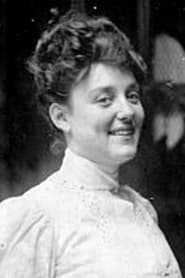
Australian swimmer, vaudeville performer, and silent film actress who revolutionized women's swimming and aquatic entertainment. Born with rickets and wearing steel braces until age seven, she overcame her physical limitations through swimming and became a champion distance swimmer by her teens. She gained international fame by attempting to swim the English Channel in 1905 and later became a vaudeville sensation with her aquatic performances, often performing in glass tanks. Transitioning to film in 1914, she starred in numerous aquatic-themed silent films, including the controversial 'A Daughter of the Gods' (1916), which featured the first full nude scene by a major star in cinema history. Kellerman was also a fashion revolutionary who advocated for practical women's swimwear and was arrested in 1907 for wearing a one-piece bathing suit on a Boston beach. Her multiple decades as she continued performing well into her later years, eventually becoming a swimming instructor and author. She passed away at age 89, leaving behind a legacy as both an athletic pioneer and a cultural icon who challenged societal norms about women's bodies and athletic capabilities.
The Craft
On Screen
Kellerman's acting style was primarily physical and athletic, emphasizing grace and fluidity in aquatic sequences. Her performances combined dramatic expression with spectacular swimming and diving demonstrations, creating a unique genre of aquatic entertainment. While not a trained dramatic actress, she possessed natural charisma and screen presence, often playing mythological or exotic characters that showcased her swimming abilities. Her performances were characterized by their visual spectacle and underwater cinematography.
Milestones
- First woman to attempt swimming the English Channel (1905)
- Pioneered synchronized swimming and water ballet
- Starred in first million-dollar film production 'A Daughter of the Gods' (1916)
- Advocated for women's rights to wear practical swimwear
- Performed in vaudeville shows across America and Europe
- Authored several books on swimming and physical fitness
- Became Hollywood's first aquatic star and stunt performer
Best Known For
Iconic Roles
Must-See Films
Accolades
Won
- International Swimming Hall of Fame (inducted 1988, posthumously)
- Australia's Sports Hall of Fame
- Women's Swimming Hall of Fame
Nominated
- No formal film award nominations during the silent era
Special Recognition
- Hollywood Walk of Fame star (6321 Hollywood Boulevard)
- Australian Dictionary of Biography entry
- Subject of biographical film 'Million Dollar Mermaid' (1952) starring Esther Williams
- Featured on Australian postage stamp (1996)
- Pioneer inducted into International Swimming Hall of Fame
Working Relationships
Worked Often With
Studios
Why They Matter
Impact on Culture
Annette Kellerman profoundly influenced both cinema and culture by aquatic entertainment and challenging Victorian-era modesty standards. Her advocacy for practical women's swimwear led to the acceptance of one-piece bathing suits for women, revolutionizing beach fashion and women's athletic participation. She created an entirely new genre of film entertainment centered around swimming and water ballet, paving the way for future aquatic spectacles. Her films pushed technical boundaries in underwater cinematography and special effects. Kellerman also helped normalize athletic achievement for women, demonstrating that women could be both graceful and strong, athletic and feminine. Her arrest for wearing a one-piece swimsuit in 1907 became a landmark moment in women's rights to bodily autonomy and practical clothing.
Lasting Legacy
Annette Kellerman's legacy endures through her multiple contributions to sports, entertainment, and women's rights. She is remembered as the 'Australian Mermaid' who brought synchronized swimming and water ballet to international prominence. Her films, though mostly lost, represent important milestones in early cinema history for their technical innovation and spectacular visuals. The 1952 biographical film 'Million Dollar Mermaid' starring Esther Williams ensured her story reached new generations. Her advocacy for women's swimwear and athletic participation had lasting effects on both fashion and sports. Today, she is celebrated as a pioneer who broke barriers for women in athletics and entertainment, and her influence can be seen in everything from modern synchronized swimming Olympic competitions to contemporary swimwear fashion.
Who They Inspired
Kellerman directly influenced Esther Williams, who became Hollywood's aquatic star of the 1940s and 1950s and portrayed Kellerman in her biographical film. Her work laid the foundation for synchronized swimming as a competitive sport and Olympic event. She inspired countless women to pursue swimming and athletics at a time when women's participation in sports was discouraged. Her innovative approach to aquatic choreography influenced later water ballet and synchronized swimming performances. Her courage in challenging dress codes and social norms paved the way for greater freedom in women's athletic wear and participation in sports. Film historians credit her with developing techniques for underwater filming that influenced later aquatic cinema.
Off Screen
Annette Kellerman married her manager James R. Sullivan in 1912, and their marriage lasted until his death in 1937. The couple had no children but maintained a strong professional and personal partnership throughout their marriage. After retiring from performing, Kellerman became a successful author, writing books on swimming, beauty, and health. She continued swimming daily well into her 80s and remained active in promoting physical fitness and women's athletics. In her later years, she lived in Long Beach, California, where she taught swimming and maintained her connection to the water that had defined her life and career.
Education
Self-taught swimmer under father's guidance; no formal higher education
Family
- James R. Sullivan (1912-1937)
Did You Know?
- She was the first major movie star to appear nude on screen in 'A Daughter of the Gods' (1916)
- Her 1907 arrest for wearing a one-piece swimsuit on Revere Beach made international headlines
- She could hold her breath underwater for up to 4 minutes and 30 seconds
- She designed and marketed her own line of women's swimwear and athletic clothing
- Her father taught her to swim to help overcome childhood rickets
- She once performed 200 feet underwater in a glass tank without breathing apparatus
- She was reportedly the highest-paid female athlete of her era
- Her 1916 film 'A Daughter of the Gods' was the first film with a budget over $1 million
- She continued swimming daily until age 87
- She was a vegetarian and advocated for natural health and fitness throughout her life
- She authored several books including 'How to Swim' (1918) and 'Physical Beauty: How to Keep It' (1919)
In Their Own Words
The only thing I'm afraid of is being afraid.
Swimming is not a sport, it's a way of life.
A woman has a right to wear a bathing suit that doesn't look like a mobile tent.
I was a sickly child, but the water made me strong. The water can make anyone strong.
Beauty is health, and health is beauty. They are one and the same.
Frequently Asked Questions
Who was Annette Kellerman?
Australian swimmer, vaudeville performer, and silent film actress known as the 'Australian Mermaid.' She pioneered synchronized swimming, advocated for women's swimwear reform, and became Hollywood's first aquatic star in the 1910s and 1920s.
What films is Annette Kellerman best known for?
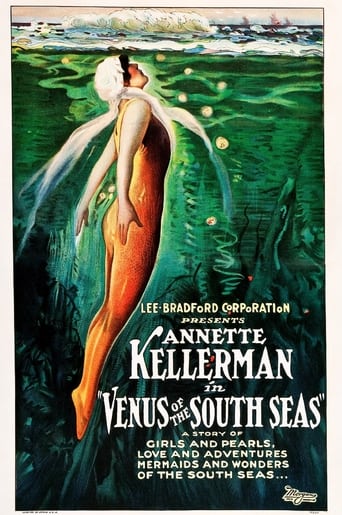
Titles linked here include Venus of the South Seas (1924), A Daughter of the Gods (1916).
When was Annette Kellerman born and when did she die?
Born July 6, 1886; died November 6, 1975.
What awards did Annette Kellerman win?
While she received no formal film awards during her career, she was posthumously inducted into the International Swimming Hall of Fame in 1988, the Australia Sports Hall of Fame, and received a star on the Hollywood Walk of Fame.
What was Annette Kellerman's acting style?
Her acting style was primarily physical and athletic, emphasizing grace and fluidity in aquatic sequences. She combined dramatic expression with spectacular swimming demonstrations, creating a unique genre of aquatic entertainment that showcased her extraordinary swimming abilities.
How did Annette Kellerman influence women's fashion?
Kellerman revolutionized women's swimwear by advocating for practical one-piece bathing suits. Her 1907 arrest for wearing such a suit on a Boston beach helped change public opinion and laws regarding women's swimwear, paving the way for modern athletic wear.
Was Annette Kellerman really a competitive swimmer?
Yes, she was a champion swimmer who set multiple records and was the first woman to attempt swimming the English Channel in 1905. She could hold her breath underwater for over four minutes and performed extraordinary aquatic feats in her vaudeville and film career.