
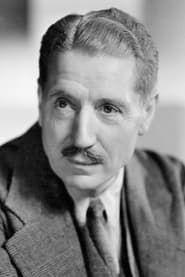
Lawrence Grant
Actor
Born: January 1, 1872 in Bournemouth, Hampshire, England Died: February 19, 1952 Active: 1915-1948
Films
3 films
About Lawrence Grant
British character actor who had a prolific career in both British and American cinema during the silent and early sound era. Born in England in 1872, Grant began his acting career on the stage before transitioning to films in the 1910s. He became known for his authoritative presence and often played aristocratic, villainous, or authoritative figures in numerous films throughout the 1920s and 1930s. Grant appeared in over 100 films during his career, working with major studios like Paramount, MGM, and Warner Bros. His transition from silent films to talkies was seamless due to his theatrical training and clear diction. He continued acting well into the 1940s, maintaining his reputation as a reliable character actor until his retirement. Grant passed away in 1952, leaving behind a substantial body of work that exemplifies the character actor's importance in Golden Age Hollywood.
The Craft
On Screen
Grant was known for his commanding stage presence and theatrical gravitas, which translated well to the screen. His acting style was rooted in classical British theater training, emphasizing clear diction and authoritative delivery. He excelled at playing aristocrats, villains, and authority figures with a distinctive, dignified presence that made him instantly recognizable. His ability to convey menace or authority through subtle gestures and his rich voice made him particularly effective during the transition to sound films.
Milestones
- Transition from stage to film career
- Successful transition from silent films to talkies
- Over 100 film appearances during his career
- Character actor specializing in authoritative roles
- Worked with major Hollywood studios
- Appeared in classic mystery and adventure films
Best Known For
Iconic Roles
Must-See Films
Working Relationships
Worked Often With
Studios
Why They Matter
Impact on Culture
Lawrence Grant represented the crucial role of character actors in establishing Hollywood's golden age of cinema. His ability to portray authority figures and villains helped create the archetypal characters that defined many genres, particularly mystery and adventure films. As a British actor in Hollywood, he was part of the wave of international talent that enriched American cinema with different acting traditions and perspectives. His seamless transition from silent to sound films demonstrated the importance of theatrical training in early cinema.
Lasting Legacy
Grant's legacy lies in his extensive body of work as a reliable character actor who elevated every film he appeared in. While never a leading man, his performances provided essential support to the stars and helped establish the atmospheric tension in many classic films. His portrayal of Professor Moriarty opposite Basil Rathbone's Sherlock Holmes remains one of the definitive interpretations of the character. Grant exemplifies the unsung heroes of Hollywood's golden age - the character actors who gave films their depth and authenticity.
Who They Inspired
Grant influenced subsequent generations of character actors through his professionalism and versatility. His ability to play both British and American characters authentically helped pave the way for other international actors in Hollywood. His work in establishing villainous archetypes in early sound films influenced how antagonists would be portrayed in cinema for decades to come.
Off Screen
Grant maintained a relatively private personal life away from the spotlight. He was married and had family connections in England even while working primarily in Hollywood. Like many character actors of his era, he focused on his craft rather than seeking public attention for his personal affairs. His British heritage remained an important part of his identity throughout his American film career.
Education
Theatrical training in England, likely through stage companies and drama schools of the late Victorian era
Family
- Mrs. Lawrence Grant
Did You Know?
- Born on New Year's Day in 1872
- Appeared in over 100 films during his 33-year career
- Served in World War I before pursuing his film career
- Often typecast as aristocrats or villains due to his appearance
- Successfully made the transition from silent films to talkies
- Worked with legendary horror actor Boris Karloff multiple times
- Portrayed Professor Moriarty, Sherlock Holmes's nemesis
- Was part of the British acting contingent in early Hollywood
- Continued acting into his 70s
- His final film appearance was in 1948
Frequently Asked Questions
Who was Lawrence Grant?
Screen credits include over 100 films during Hollywood's silent and early sound era. He was known for playing aristocratic, villainous, and authoritative roles, most famously portraying Professor Moriarty opposite Basil Rathbone's Sherlock Holmes.
What films is Lawrence Grant best known for?
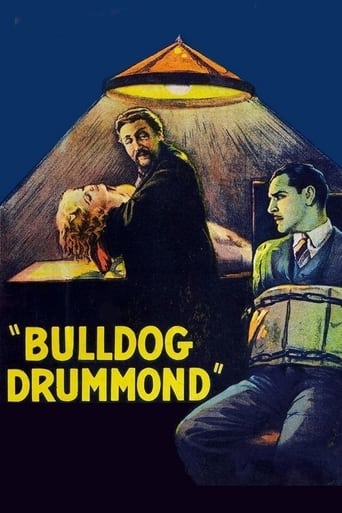
Titles linked here include The Canary Murder Case (1929), Bulldog Drummond (1929).
When was Lawrence Grant born and when did he die?
Born January 1, 1872; died February 19, 1952.
What awards did Lawrence Grant win?
Despite his extensive career and contributions to cinema, Lawrence Grant did not receive major formal awards or nominations, which was common for character actors of his era. His recognition came through consistent work and respect from his peers in the industry.
What was Lawrence Grant's acting style?
Grant's acting style was rooted in classical British theater, emphasizing commanding presence, clear diction, and authoritative delivery. He excelled at portraying aristocrats and villains with theatrical gravitas, making him particularly effective during the transition to sound films.