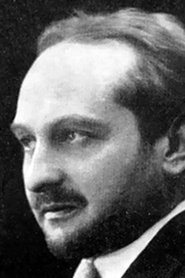
Léon Poirier
Director
- Born
- July 15, 1884, Bordeaux, France
- Died
- September 27, 1968
- Active
- 1910s-1950s
Films directed 2
About Léon Poirier
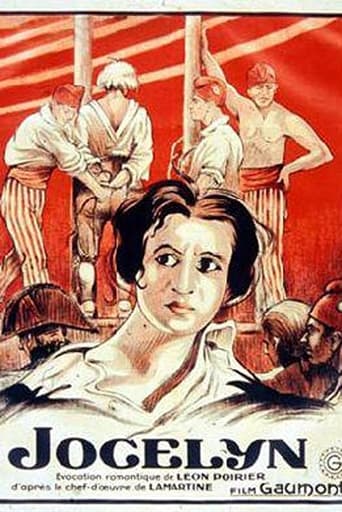
Léon Poirier was a French film director, screenwriter, and occasionally producer whose career began in the silent era and extended into the sound period, making him one of the notable figures of early French cinema. Born in the late nineteenth century, he came to prominence during the 1920s with historical and literary films that reflected the ambitions of post-World War I French filmmaking. His work often balanced spectacle, patriotic subject matter, and a sensitivity to atmosphere, which suited both epic reconstructions and intimate drama. Poirier is especially remembered for directing Jocelyn (1922), but his broader career included ambitious productions that helped define the visual vocabulary of French historical cinema. He also moved between commercial cinema and more culturally prestigious projects, a common path for directors of his generation. Over time, Poirier became associated with carefully staged, soberly handled narratives rather than flashy technique, and his films frequently revealed an interest in national identity, memory, and literary adaptation. He remained part of the fabric of French cinema through the transition from silent films to talkies, leaving a legacy as a craft-conscious director of the classic era.
More about Léon Poirier
Behind the camera
Poirier’s directing style is generally associated with classical, carefully composed staging, an emphasis on atmosphere, and a restrained but dignified approach to historical and literary material. Rather than favoring overt stylistic experimentation, he often relied on clear narrative construction, balanced framing, and an attention to period detail that supported the seriousness of his subjects. His films suggest a preference for pictorial elegance and emotional understatement, qualities that fit the prestige tradition of early French cinema. In his historical work, he tended to use location, costume, and crowd scenes to create a sense of national or cultural scale while still keeping the storytelling comprehensible and controlled.
In film history
Léon Poirier belongs to the generation of French directors who helped shape the identity of national cinema in the years after World War I, when filmmakers were seeking both artistic legitimacy and popular appeal. His historical and literary projects contributed to a style of French prestige filmmaking that valued careful production design, literary respectability, and emotional sobriety. Even where his films are not widely known today, they remain important as examples of how French directors balanced commercial cinema with cultural aspiration during the silent era and the transition to sound. Poirier’s place in film history is also significant because he represents the many directors whose work formed the backbone of early European cinema without necessarily achieving the international fame of the most canonical auteurs.
Later reputation
Poirier’s legacy lies in his contribution to the development of serious French historical and literary filmmaking during the formative decades of cinema. He is remembered as a director who worked within the classical tradition, bringing discipline and visual clarity to subjects that often carried cultural or national significance. For historians of silent and early sound French film, his career illustrates the continuity between the prestige silent cinema of the 1920s and the more dialogue-driven productions that followed. Although he is not among the best-known names of world cinema, his films remain part of the historical record of how French cinema developed its own identity, aesthetics, and cultural ambitions. His enduring importance is therefore less about celebrity than about craftsmanship, continuity, and the shaping of an important national film tradition.
Influence
Poirier influenced later filmmakers through his example as a director of literary and historical subjects handled with clarity and decorum. His approach helped reinforce the idea that French cinema could be both commercially viable and culturally serious, an idea that would remain central to the nation’s film culture. While he may not have been a flamboyant innovator, his disciplined method and attention to production values contributed to a professional standard that later directors could build upon. His work also stands as part of the tradition that informed later French costume dramas and prestige adaptations.
Off screen
Publicly documented information about Léon Poirier’s private life is limited in readily available film-historical sources. He appears primarily in cinema history as a professional filmmaker rather than a celebrity with an extensively recorded personal biography. Standard reference sources focus on his film work, especially his silent-era and historical productions, rather than marriages, children, or domestic life. Because of that, details about his family relationships, residence, and personal correspondence are not widely circulated in mainstream summaries of his career.
Education
Specific educational background is not well documented in widely available film reference sources.
Credits
- Directed Jocelyn (1922), one of the titles associated with his silent-era reputation
- Built a career directing literary adaptations and historical subjects in French cinema
- Worked through both the silent and sound eras, adapting his style to changing cinematic forms
- Contributed to the development of French historical spectacle and prestige filmmaking
- Remained recognized as a serious craftsman of early French cinema
Films
- Jocelyn (1922)
Collaborators
- Artists and technicians working in French prestige and historical cinema
Studios
- French production companies active during the silent era and early sound period
Notes
- He is most commonly associated with French cinema rather than international studio filmmaking.
- Jocelyn (1922) is one of the key titles linked to his name in film references.
- His career bridged the silent era and the early sound period, a major transition in film history.
- Poirier is often discussed in the context of historical and literary film adaptation.
- He worked during a period when French cinema was rebuilding its cultural identity after World War I.
- Unlike many more famous directors, his private life is not extensively documented in standard English-language film sources.
Questions
Who was Léon Poirier?
Léon Poirier was a French film director and screenwriter active from the silent era into the early sound period. He is best remembered for his work on literary and historical films, including Jocelyn (1922), and for contributing to the development of prestige French cinema.
What films is Léon Poirier best known for?
His best-known title in the available classic-cinema record is Jocelyn (1922). He is also remembered more broadly for historical and literary productions that reflected the ambitions of post-World War I French filmmaking.
When was Léon Poirier born and when did he die?
Léon Poirier was born on July 15, 1884, in Bordeaux, France. He died on September 27, 1968, in France.
What awards did Léon Poirier win?
No major film awards are widely documented in standard reference sources for Léon Poirier. His reputation rests more on his historical importance and body of work than on formal prize recognition.
What was Léon Poirier's directing style?
His directing style is generally described as classical, controlled, and attentive to atmosphere and period detail. He favored clear storytelling, dignified staging, and carefully composed visuals, especially in historical and literary material.
What was Léon Poirier's legacy in film history?
Poirier’s legacy is that of a serious French director who helped shape prestige filmmaking in the silent and early sound eras. He is remembered as part of the generation that strengthened French cinema’s cultural identity through literary adaptation and historical subjects.