1922 · Approximately 60-90 minutes

Also available on: Archive.org
Jocelyn

Jocelyn

1922 Approximately 60-90 minutes France
Religious vocation and dutyRomantic love and renunciationFaith versus political violenceIdentity and concealed genderSacrifice and spiritual obedience

Plot

Set during the upheavals of the French Revolution, Jocelyn follows a young man educated in a monastery who is forced to leave when anti-religious violence and political terror make his religious refuge untenable. In exile from the life he has known, he encounters a mysterious youth and gradually forms a close bond with this companion, only to discover that the "boy" is in fact a young woman. Their relationship unfolds against a backdrop of spiritual duty, emotional awakening, and the pull between private feeling and religious vocation. As events develop, Jocelyn is called back by his former bishop, who urges him to return to his sacred responsibilities, creating a final conflict between love, conscience, and devotion. The story is an adaptation of Alphonse de Lamartine's romantic poem, and the film emphasizes piety, sacrifice, and the sorrow of deferred personal happiness.

About the Production

Release Date 1922
Production Société des Cinéromans
Filmed In France

Jocelyn was produced as a French silent feature adapted from a celebrated literary source by Alphonse de Lamartine, reflecting the era's strong tradition of prestige adaptations. Like many French historical dramas of the early 1920s, it was likely mounted with emphasis on period atmosphere, devotional imagery, and expressive performance rather than elaborate spectacle. Specific budget figures, box-office totals, and surviving production paperwork are not readily documented in accessible sources, so those details remain unknown. The film is associated with the production environment of Société des Cinéromans, a company known for literary and episodic works in the silent era.

Historical Background

Jocelyn was made in 1922, in the aftermath of World War I and during a period when French cinema was rebuilding its artistic prestige and industrial footing. The French film industry of the early 1920s frequently turned to canonical literature, historical subjects, and culturally respected texts in order to distinguish itself from imported American productions and to reaffirm a national cinematic identity. The film's Revolutionary-era setting also resonated with ongoing French debates about religion, secularism, and the legacy of anti-clerical politics, giving the story a historical charge beyond its romantic plot. At the same time, silent cinema was still the dominant form of commercial film exhibition, so filmmakers relied on expressive staging, intertitles, and performance to convey the poem's devotional and emotional complexities. As an adaptation of Lamartine, Jocelyn also reflects the interwar cultural tendency to revisit nineteenth-century literary classics as sources of moral seriousness and cultural legitimacy.

Why This Film Matters

Although not among the most widely remembered French silent films today, Jocelyn is culturally significant as part of the tradition of prestigious literary adaptations that helped position cinema as a serious art form in France. Its choice of source material connects film history with the prestige of Lamartine, reinforcing cinema's engagement with national literature and romantic spirituality. The film also preserves, at least in adaptation, a key example of nineteenth-century French religious-romantic imagination, in which duty and renunciation eclipse conventional melodramatic resolution. For scholars of silent French cinema, it is valuable as an example of how literary works were translated into screen drama during a period of artistic consolidation. Even where the film is now obscure, it remains important as a document of the cultural values and aesthetic ambitions of postwar French filmmaking.

Making Of

Jocelyn appears to have been conceived as a prestige literary adaptation rather than a mass-market entertainment, which was a common strategy in French cinema after World War I. Léon Poirier's involvement suggests a production shaped by careful attention to tone, historical mood, and the moral seriousness of the source material. Because the film is from the silent era and surviving documentation is limited, many concrete behind-the-scenes details such as shooting schedule, set construction, and on-set anecdotes are not well preserved in public records. The involvement of Société des Cinéromans places it within a production culture that often favored distinguished stories, strong theatrical performances, and visual clarity over technical experimentation. The adaptation likely required balancing the poem's spiritual introspection with cinematic storytelling, a challenge typical of literary films of the period.

Visual Style

The film's visual style would have been shaped by the conventions of early-1920s French silent cinema, likely emphasizing carefully composed tableaux, expressive close-ups, and atmospheric historical sets. Given the subject matter, the cinematography probably favored soft lighting, solemn framing, and contrasts between sacred spaces and the turmoil of the revolutionary world. Silent literary adaptations of this kind often used visual symbolism to convey spiritual conflict, and Jocelyn would have depended on costume, gesture, and mise-en-scène to translate Lamartine's poetic mood into images. No widely cited technical cinematographic innovations are specifically associated with this title, but its likely strength lies in its pictorial rendering of devotion, austerity, and emotional restraint. The film would have been designed to communicate legibly to audiences through composition and performance rather than rapid editing or visual spectacle.

Innovations

There are no widely documented technical breakthroughs specifically associated with Jocelyn. Its significance is primarily literary and historical rather than technological. Like many French silent features of the early 1920s, its craftsmanship would have rested on art direction, costume, performance, and the effective use of intertitles to convey a complex poetic narrative. If any technical value is to be noted, it lies in the adaptation of a highly literary and introspective source into coherent silent cinema, which required disciplined visual storytelling.

Music

As a silent film, Jocelyn did not have a synchronized recorded soundtrack at the time of its original release. Exhibition would have relied on live musical accompaniment, which may have varied from theater to theater depending on local practice and available musicians. No specific original score is widely documented in accessible sources for this title. Any modern screenings or restorations would likely use a reconstructed or newly commissioned accompaniment if one exists.

Famous Quotes

No verified surviving on-screen quotes from this silent film are readily documented.
As a silent film, its dialogue would have appeared in intertitles rather than preserved spoken lines.

Memorable Scenes

  • Jocelyn's departure from the monastery amid the pressures of revolutionary anti-religious unrest.
  • The gradual friendship between Jocelyn and the disguised young woman, culminating in the revelation of her true identity.
  • The emotional confrontation between spiritual duty and human affection when the former bishop calls Jocelyn back to his calling.
  • The film's devotional and historical tableaux, which likely emphasize the contrast between sacred interiors and revolutionary disorder.

Did You Know?

  • The film is based on Lamartine's poem "Jocelyn," one of the most famous romantic-religious literary works in nineteenth-century French literature.
  • Léon Poirier, the director, was known for serious literary and historical subjects, making this adaptation consistent with his broader career interests.
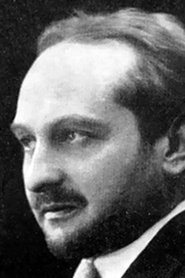
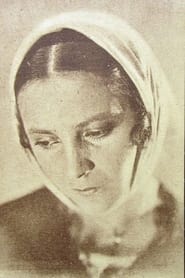
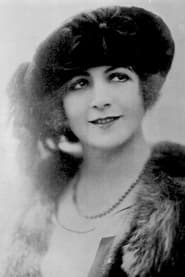
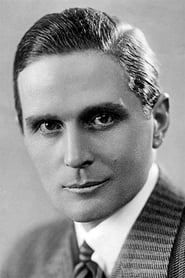
  • The cast includes Armand Tallier, Laurence Myrga, and Suzanne Bianchetti, all associated with French silent-era screen performance.
  • The story hinges on a gender disguise revelation, a melodramatic device common in literary and stage adaptations of the period.
  • The setting during the French Revolution gives the film a strong political and religious dimension, contrasting revolutionary anti-clericalism with individual faith.
  • Because it is a silent film from 1922, it would originally have been accompanied by live music in theaters rather than a synchronized recorded soundtrack.
  • Documentation on this specific film is comparatively sparse, which is common for many French silent features that have not been widely circulated in surviving prints.
  • The film belongs to the wave of early-1920s French prestige productions that sought to elevate cinema through canonical literature.
  • Its themes of vocation, sacrifice, and renunciation are central to Lamartine's work and were likely emphasized in the adaptation.
  • The title character Jocelyn is one of the notable literary priest-hero figures in French culture, giving the film a distinctly devotional-romantic identity.

What Critics Said

Contemporary critical documentation for Jocelyn is limited and not widely preserved in easily accessible English-language sources, so a detailed reception history is difficult to reconstruct with confidence. As a 1922 literary adaptation, it was likely evaluated on the faithfulness and dignity of its treatment of Lamartine, the quality of its acting, and the effectiveness of its historical atmosphere rather than on spectacle or novelty. Modern critical attention to the film is generally archival and historical rather than popular, with interest focused on its director, source material, and place within French silent cinema. The scarcity of surviving reviews and the likely limited circulation of extant prints contribute to its relative obscurity in film history. Where discussed, it is typically framed as an example of early French prestige cinema rather than as a canonical masterpiece.

What Audiences Thought

No reliable audience statistics or detailed contemporary fan reception figures are readily available for this film. As a silent French literary adaptation, it would most likely have appealed to audiences interested in serious drama, religious sentiment, and familiar canonical literature. Its reception would have depended heavily on regional exhibition conditions, musical accompaniment, and the popularity of Poirier's reputation as a filmmaker of sober historical subjects. Because it is not a commonly revived title, modern audience familiarity is low, and its current reception is largely confined to historians, archivists, and silent-film enthusiasts. The film's obscurity today suggests that, while it may have had a respectable reception in its own time, it did not become a long-lasting popular staple.

Film Connections

Influenced By

  • Jocelyn by Alphonse de Lamartine
  • French Romantic literature
  • Nineteenth-century devotional and historical drama
  • Silent-era prestige literary adaptations

This Film Influenced

  • Other French silent literary adaptations of the 1920s
  • Later screen versions of romantic-religious historical drama

Film Restoration

The preservation status is uncertain in readily accessible public references; the film appears to be obscure and may survive only in limited archival holdings or incomplete documentation. It is not widely known as a fully restored or commonly circulating title.

Themes & Topics