
Howard Hughes
Director
Born: December 24, 1905 in Houston, Texas, USA Died: April 5, 1976 Active: 1927-1957 (film industry) Birth Name: Howard Robard Hughes Jr.
Films
2 films
About Howard Hughes
Howard Robard Hughes Jr. Was a quintessential American Renaissance man who revolutionized both aviation and cinema during the Golden Age of Hollywood. Born into wealth from his father's oil tool company, Hughes used his fortune to pursue his passions in filmmaking, becoming a producer and director known for pushing technical and artistic boundaries. His directorial debut 'Hell's Angels' (1930) set new standards for aerial combat sequences, though he spent years and millions reshooting it for sound. Hughes's most notorious directorial work, 'The Outlaw' (1943), generated immense controversy for its suggestive portrayal of Jane Russell and battled the Hays Code for years before release. Beyond directing, he produced influential films like 'Scarface' (1932) and eventually purchased RKO Pictures in 1948, becoming one of Hollywood's most powerful and eccentric figures. His later years were marked by increasing reclusiveness, obsessive-compulsive disorder, and bizarre behavior, yet his early innovations in film technology and his willingness to challenge censorship on cinema history.
The Craft
Behind the Camera
Obsessive perfectionist known for technical innovation, particularly in aerial photography and action sequences. Hughes demanded multiple takes and was willing to spend unlimited time and money to achieve his vision. His directing approach emphasized spectacle, realism in action sequences, and pushing boundaries of acceptable content, often challenging the Hays Code with controversial subject matter and suggestive imagery.
Milestones
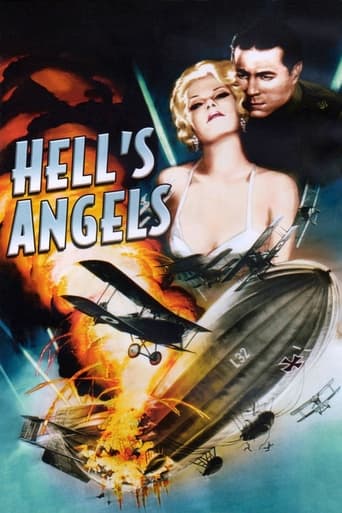
- Directed 'Hell's Angels' (1930) with unprecedented aerial sequences
- Produced the controversial 'Scarface' (1932)
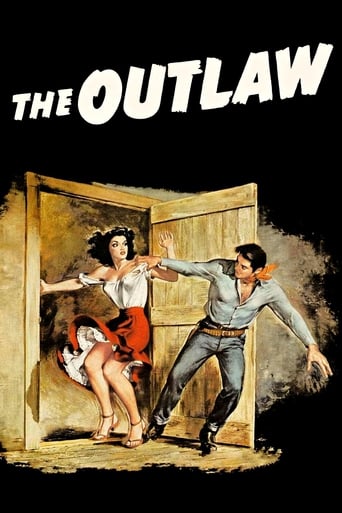
- Directed and battled censorship for 'The Outlaw' (1943)
- Purchased RKO Pictures in 1948
- Set multiple aviation speed records
- Designed and built innovative aircraft through Hughes Aircraft Company
Best Known For
Must-See Films
Accolades
Won
- Congressional Gold Medal (1939) for aviation achievements
- Collier Trophy (1938) for advancing aviation
- Harmon Trophy (1936, 1938) for aviator of the year
Nominated
- Academy Award nomination for Best Director for 'Hell's Angels' (1930)
Special Recognition
- Inducted into the National Aviation Hall of Fame (1973)
- Hollywood Walk of Fame star for motion pictures
- International Air & Space Hall of Fame inductee
Working Relationships
Worked Often With
Studios
Why They Matter
Impact on Culture
Howard Hughes fundamentally changed Hollywood both through his technical innovations and his willingness to challenge censorship. His obsession with aerial photography in 'Hell's Angels' established new standards for action sequences that influenced generations of filmmakers. As a studio owner, he pushed the boundaries of acceptable content, particularly with 'The Outlaw's' controversial focus on Jane Russell's physique, which helped gradually erode the Hays Code's power. His business practices and control over RKO demonstrated how individual owners could challenge the studio system, while his reclusive later life became part of Hollywood mythology, influencing portrayals of eccentric billionaires in popular culture.
Lasting Legacy
Howard Hughes's legacy in cinema is complex and multifaceted, combining genuine innovation with eccentric excess. His technical contributions to aerial cinematography and sound recording in early films were groundbreaking, while his battles with censorship helped pave the way for more creative freedom in Hollywood. As a producer and studio owner, he greenlit important films while often interfering destructively in their production. His life story has inspired numerous films and books, cementing his status as one of Hollywood's most fascinating and enigmatic figures. The Hughes name remains synonymous with both American innovation and the dark side of wealth and power.
Who They Inspired
Hughes influenced filmmakers through his technical innovations in aerial photography and sound recording, particularly in action sequences. His willingness to challenge censorship inspired future directors to push content boundaries. His business model of controlling multiple aspects of production through ownership influenced later independent filmmakers. His perfectionist approach, while often destructive, set a standard for technical excellence that influenced subsequent generations. The mythology surrounding his reclusive later years has influenced countless portrayals of eccentric geniuses in film and literature.
Off Screen
Howard Hughes's personal life was as dramatic as his films, marked by multiple high-profile relationships, increasingly eccentric behavior, and severe obsessive-compulsive disorder that led to his legendary reclusiveness. He was romantically linked to numerous Hollywood stars including Katharine Hepburn, Ava Gardner, and Jean Harlow, though he married only twice. His later years were spent in isolation in various hotels, where he became increasingly paranoid and detached from reality, yet continued to control his vast business empire through memos and trusted aides.
Education
Attended Rice Institute (now Rice University) and Thacher School, but never graduated from college
Family
- Ella Rice (1925-1929)
- Jean Peters (1957-1971)
Did You Know?
- Spent $3.8 million on 'Hell's Angels' (1930), equivalent to over $60 million today
- Refused to use stunt doubles, performing some flying sequences himself
- Bought 135 theaters to ensure 'The Outlaw' would be shown
- Fired directors mid-production and took over directing duties himself
- Designed a special bra for Jane Russell in 'The Outlaw' to emphasize her bust
- Slept only 2-4 hours per night for most of his adult life
- Stored his urine in jars during his reclusive period
- Became the world's first billionaire in today's dollars
- His germaphobia led him to burn his clothes if someone touched them
- Once spent four months in a darkened screening room watching films continuously
In Their Own Words
I'm not a paranoid, I'm a careful person.
Every man has his price, or a guy like me couldn't exist.
I intend to be the richest man in the world.
Never make decisions when you're angry, and never make promises when you're happy.
I'm by nature a perfectionist, and I think I'm a fairly reasonable man.
Frequently Asked Questions
Who was Howard Hughes?
Wealthy American business magnate, aviator, and on YTB.my. He directed films like 'Hell's Angels' and 'The Outlaw' while also aviation innovations and eventually owning RKO Pictures.
What films is Howard Hughes best known for?
Titles linked here include Hell's Angels (1930), The Outlaw (1943).
When was Howard Hughes born and when did he die?
Born December 24, 1905; died April 5, 1976.
What awards did Howard Hughes win?
While Hughes received limited formal recognition for his film work, he won numerous aviation honors including the Congressional Gold Medal, Collier Trophy, and multiple Harmon Trophies for his contributions to aviation. He was nominated for an Academy Award for Best Director for 'Hell's Angels' in 1930.
What was Howard Hughes's directing style?
Hughes — obsessive perfectionist known for technical innovation, particularly in aerial photography and action sequences. He demanded complete control, often firing directors and taking over himself, and was willing to spend unlimited time and money to achieve his vision, while also pushing boundaries of acceptable content.
How did Howard Hughes influence Hollywood?
Hughes influenced Hollywood through his technical innovations in filmmaking, his battles against censorship that helped loosen content restrictions, and his ownership of RKO Pictures which challenged the traditional studio system. His eccentric behavior and reclusive later life also became part of Hollywood mythology.
Was Howard Hughes really as eccentric as portrayed in films?
Yes, Hughes's eccentric behavior was well-documented, including his severe obsessive-compulsive disorder, germaphobia, reclusive lifestyle, and increasingly paranoid behavior in his later years. Many films about him, while dramatized, are based on his actual documented behaviors and lifestyle choices.