Films
1 film
About S.U. Sunny
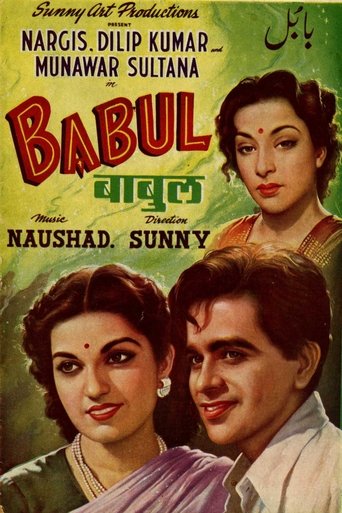
Indian film director active during the golden era of Hindi cinema in the mid-20th century. His most significant contribution to Indian cinema was directing the 1950 classic film 'Babul,' which became one of the memorable productions of its time. Sunny worked during a period when Hindi cinema was establishing its distinctive narrative style and musical traditions. His directorial approach reflected the emotional depth and family values that characterized many films of this era. While 'Babul' remains his most notable directorial credit, Sunny was part of the generation of filmmakers who helped shape post-independence Indian cinema. His work demonstrated an understanding of the social dynamics and cultural values that resonated with Indian audiences of the 1950s. Though his directorial career appears to have been brief, his contribution through 'Babul' secured his place in the annals of classic Indian cinema.
The Craft
Behind the Camera
S.U. Sunny's directing style in 'Babul' reflected the traditional values and emotional storytelling characteristic of 1950s Hindi cinema. His approach emphasized family dynamics, moral dilemmas, and the importance of relationships within Indian society. Sunny demonstrated skill in balancing dramatic narrative with musical elements, a hallmark of classic Bollywood filmmaking. His direction captured the essence of post-independence Indian social values while maintaining entertainment value.
Milestones
- Directed the classic Hindi film 'Babul' (1950)
- Worked with legendary actors Dilip Kumar and Nargis
- Created a film that became part of India's cinematic heritage
Best Known For
Must-See Films
Working Relationships
Worked Often With
Studios
Why They Matter
Impact on Culture
S.U. Sunny's film 'Babul' contributed to the cultural landscape of post-independence India by addressing themes of family, tradition, and social change. The film reflected the values and concerns of Indian society during a period of significant transition. Through his work, Sunny participated in the development of Hindi cinema as a medium for both entertainment and social commentary. His film helped establish narrative patterns and thematic concerns that would influence subsequent generations of Indian filmmakers.
Lasting Legacy
S.U. Sunny's legacy is primarily preserved through his direction of 'Babul,' which remains an important example of 1950s Hindi cinema. While his directorial career was brief, his contribution to Indian film history is significant as part of the generation that established the foundations of modern Bollywood. The film continues to be remembered and studied by cinema enthusiasts and scholars interested in the evolution of Indian filmmaking. Sunny's work represents an important chapter in the development of narrative cinema in India.
Who They Inspired
While specific information about S.U. Sunny's influence on other filmmakers is limited, his work on 'Babul' contributed to the broader development of Hindi cinema's storytelling traditions. The film's approach to family drama and social themes influenced subsequent productions in similar genres. His direction demonstrated techniques that would become standard in Indian cinema, particularly in the integration of music and narrative to create emotional impact.
Off Screen
Very limited information is available about S.U. Sunny's personal life, as he appears to have had a brief career in the film industry with 'Babul' being his most notable work. Details about his family background, education, and life outside of filmmaking remain largely undocumented in historical records.
Did You Know?
- 'Babul' (1950) starred the legendary Dilip Kumar in one of his memorable roles
- The film featured music by the renowned composer Naushad
- 'Babul' was produced by Bombay Talkies, one of India's film studios
- The film's title 'Babul' means 'father' in Hindi, reflecting its central family theme
- S.U. Sunny appears to have had a very brief directorial career, with 'Babul' being his primary documented work
- The film was released during the early years of independent India, reflecting the country's cultural renaissance
- 'Babul' was part of the golden age of Hindi cinema that lasted from the 1940s to the 1960s
Frequently Asked Questions
Who was S.U. Sunny?
Indian on YTB.my. He was active during the golden era of Indian cinema and worked with prominent actors of the time including Dilip Kumar and Nargis.
What films is S.U. Sunny best known for?
Titles linked here include Babul (1950).
When was S.U. Sunny born and when did he die?
Specific birth and death dates for S.U. Sunny are not well-documented in available historical records. He was active as a director in 1950 during the golden age of Hindi cinema.
What awards did S.U. Sunny win?
There are no documented major awards or nominations specifically attributed to S.U. Sunny in available film history records, though his film 'Babul' is recognized as a classic of its era.
What was S.U. Sunny's directing style?
S.U. Sunny's directing style reflected the emotional storytelling and family values characteristic of 1950s Hindi cinema. He demonstrated skill in balancing dramatic narrative with musical elements, capturing the essence of post-independence Indian social values.