Illarion Pevtsov
Actor
Born: 1885 in Russian Empire Died: 1942 Active: 1920s-1942 Birth Name: Illarion Nikolaevich Pevtsov
Films
1 film
About Illarion Pevtsov
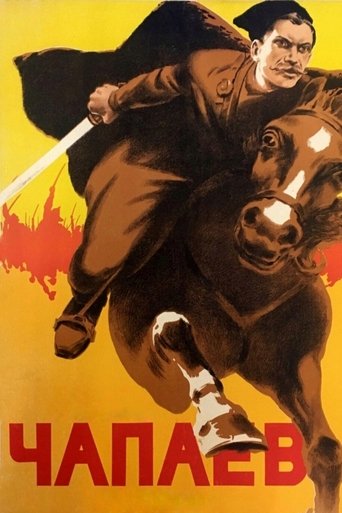
Made his most significant cinematic contribution during the early sound era of Soviet cinema. Born in the late 19th century, he began his career in theater before transitioning to film during the 1930s, a pivotal period for Soviet filmmaking. His most memorable screen appearance came in 1934 when he portrayed the White Colonel in the landmark Soviet film 'Chapayev,' directed by the Vasilyev brothers. This role, though supporting, placed him in films of early Soviet cinema, which became a cultural phenomenon and was studied by generations of Soviet filmmakers. Pevtsov's performance exemplified the theatrical style that was common in early Soviet sound films, where actors often brought their stage training to the screen. His filmography appears to have been limited primarily to this period, with 'Chapayev' standing as his most notable cinematic work. Illarion Pevtsov's the transitional period from silent to sound cinema in the Soviet Union, making him part of an important generation of performers who helped establish the conventions of Soviet film acting.
The Craft
On Screen
Pevtsov's acting style was characteristic of early Soviet cinema, drawing heavily from theatrical traditions. His performances featured pronounced gestures, clear diction, and a presentational quality that was common in the transition from silent to sound films. As seen in 'Chapayev,' his portrayal of the White Colonel embodied the ideological archetypes that Soviet cinema sought to establish, with a commanding presence that served the film's narrative and political purposes.
Milestones
- Portrayed the White Colonel in 'Chapayev' (1934)
- Transitioned from stage to film during early Soviet sound era
- Participated in
Best Known For
Iconic Roles
Must-See Films
Accolades
Special Recognition
- Recognized as part of the ensemble cast of 'Chapayev,' which became
Working Relationships
Worked Often With
Studios
Why They Matter
Impact on Culture
Illarion Pevtsov's contribution to Soviet cinema, while perhaps limited in scope, is significant through his participation in 'Chapayev,' which became. The film established many conventions of the Soviet war film genre and created archetypal characters that would be referenced and emulated for decades. Pevtsov's portrayal of the White Colonel contributed to the film's powerful ideological narrative, which presented the Bolsheviks as heroic and their opponents as misguided but sometimes noble adversaries. This nuanced approach to characterizing the enemy was relatively sophisticated for its time and influenced how Soviet films would portray antagonists in subsequent decades.
Lasting Legacy
Illarion Pevtsov's legacy is primarily tied to his role in 'Chapayev,' which remains a cornerstone of Soviet cinema history. The film was not only a massive commercial success but also became a cultural touchstone, with characters and quotes entering the popular lexicon. While Pevtsov himself may not have achieved widespread individual fame, his contribution to this seminal work ensures his place in film history. The film's enduring status means that new generations of film students and enthusiasts continue to study performances like his, making him part of the foundational narrative of Soviet cinematic art.
Who They Inspired
As a supporting actor in one of Soviet cinema's most influential films, Pevtsov's work helped establish conventions for portraying military officers and antagonists in Soviet war films. His performance style, representative of the theatrical approach to early sound cinema, influenced subsequent generations of Soviet actors who studied 'Chapayev' as a model of successful Soviet filmmaking. The film itself became a teaching tool in Soviet film schools, meaning performances like Pevtsov's were analyzed and emulated by actors who followed.
Off Screen
Illarion Pevtsov lived through. His career as an actor spanned these transformative decades, placing him within the cultural apparatus of the new Soviet state. Details about his personal life, family, and relationships remain largely undocumented in available historical records, which was common for many Soviet-era actors whose lives were not extensively chronicled unless they achieved major stardom.
Education
Likely received theatrical training appropriate for actors of his generation in the Russian Empire/Soviet Union, though specific educational details are not well-documented in available sources.
Did You Know?
- 'Chapayev' was
- The film was directed by the Vasilyev brothers, who were known as 'the Vasilyev brothers' collective'
- Pevtsov's character, the White Colonel, represents the defeated but sometimes honorable enemy in Soviet ideological cinema
- The film 'Chapayev' was so popular that it spawned numerous jokes and references in Soviet popular culture
- Despite being made in 1934, the film's portrayal of the Russian Civil War remained influential throughout the Soviet period
- The film was praised by Stalin himself, which contributed to its canonical status in Soviet cinema
- Pevtsov worked during a period when Soviet cinema was transitioning from experimental to more conventional socialist realist styles
- The character of Chapayev became a folk hero in Soviet culture, partly due to the film's massive popularity
Frequently Asked Questions
Who was Illarion Pevtsov?
Soviet stage and film with credits in this catalog. He is best known for his role as the White Colonel in the landmark 1934 Soviet film 'Chapayev,' which became.
What films is Illarion Pevtsov best known for?
Titles linked here include Chapayev (1934).
When was Illarion Pevtsov born and when did he die?
Born 1885; died 1942.
What awards did Illarion Pevtsov win?
Specific individual awards for Illarion Pevtsov are not well-documented in available historical sources. However, he was part of the ensemble cast of 'Chapayev,' which received widespread acclaim and became.
What was Illarion Pevtsov's acting style?
Pevtsov's acting style was characteristic of early Soviet sound cinema, drawing from theatrical traditions with pronounced gestures and clear diction. His performance in 'Chapayev' exemplified the presentational style common in the transition from silent to sound films in the Soviet Union.