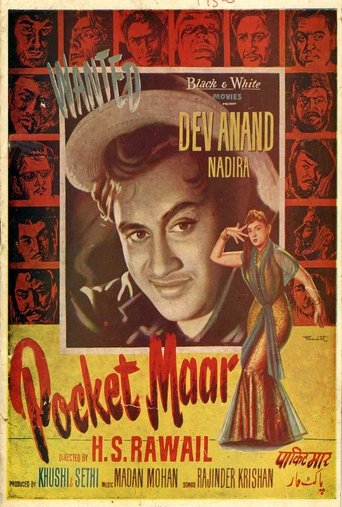
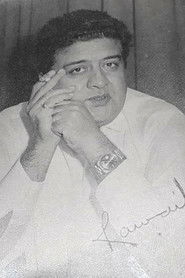
Harnam Singh Rawail
Director
Born: August 21, 1921 in Lahore, Punjab, British India (now Pakistan) Died: September 17, 2004 Active: 1951-1984
Films
2 films
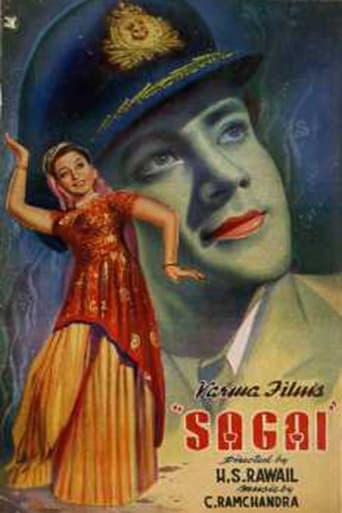
About Harnam Singh Rawail
Harnam Singh Rawail (1921-2004) was a prominent Indian film director who made significant contributions to Hindi cinema during the mid-20th century. He began his directorial career in 1951 with 'Sagai' and quickly established himself as a filmmaker capable of handling diverse genres, from social dramas to romantic epics. Rawail's most acclaimed work came in the 1960s with films like 'Mere Mehboob' (1963), which became a classic of romantic cinema and showcased his ability to create visually stunning narratives. He was particularly known for his elaborate sets, attention to period detail, and his skill in extracting powerful performances from his actors. Throughout his career spanning over three decades, Rawail directed more than 20 films, working with some of the biggest stars of Indian cinema including Rajendra Kumar, Sadhana Shivdasani, and Dilip Kumar. His later films like 'Sunghursh' (1968) and 'Mehboob Ki Mehndi' (1971) demonstrated his versatility in tackling complex social themes while maintaining commercial appeal. Rawail retired from filmmaking in the 1980s, leaving behind a legacy of films that continue to be celebrated for their artistic merit and cultural significance.
The Craft
Behind the Camera
Known for his elaborate visual style, attention to period detail, and ability to blend social themes with commercial entertainment. Rawail's films often featured grand sets, meticulous costume design, and a focus on emotional storytelling. He had a particular talent for directing romantic scenes and creating memorable musical sequences that enhanced the narrative.
Milestones
- Directed debut film 'Sagai' (1951)
- Created the classic romantic epic 'Mere Mehboob' (1963)
- Directed the critically acclaimed 'Sunghursh' (1968)
- Made the successful 'Mehboob Ki Mehndi' (1971)
- Worked with actors like Dilip Kumar and Rajendra Kumar
Best Known For
Must-See Films
Accolades
Won
- Filmfare Award for Best Director for 'Mere Mehboob' (1964)
Nominated
- Filmfare Nomination for Best Director for 'Sunghursh' (1969)
- Filmfare Nomination for Best Film for 'Mere Mehboob' (1964)
Special Recognition
- Recognized as one of the directors of Indian cinema's golden era
Working Relationships
Worked Often With
Studios
Why They Matter
Impact on Culture
Harnam Singh Rawail played a significant role in shaping popular Hindi cinema during its golden era. His film 'Mere Mehboob' revolutionized the portrayal of Muslim culture in mainstream Indian cinema, presenting it with dignity and aesthetic beauty. Rawail's attention to architectural detail and cultural authenticity in his period films set new standards for production design in Bollywood. His ability to blend social messages with entertainment influenced generations of filmmakers who followed. Rawail's work contributed to the globalization of Indian cinema, with his films finding appreciation among international audiences interested in South Asian culture.
Lasting Legacy
Harnam Singh Rawail's legacy endures through his classic films that continue to be referenced and celebrated in contemporary Indian cinema. His directorial techniques, particularly his handling of romantic narratives and period settings, have influenced numerous filmmakers. The success of his son Rahul Rawail as a director demonstrates the continuation of Rawail's cinematic vision. His films remain important cultural artifacts that preserve the social and aesthetic values of mid-20th century India. Rawail is remembered as a director who successfully balanced artistic integrity with commercial success, creating films that were both critically acclaimed and popular with audiences.
Who They Inspired
Rawail influenced Indian cinema through his innovative approach to storytelling and visual aesthetics. His emphasis on cultural authenticity in period films inspired other directors to pay greater attention to historical and cultural details. The success of his romantic epics established a template for grand romantic films in Bollywood. His ability to work successfully across different genres demonstrated versatility that many aspiring directors sought to emulate. Rawail's films also influenced costume design, set decoration, and music integration in Indian cinema for decades to come.
Off Screen
Harnam Singh Rawail was born into a Punjabi family in Lahore before the partition of India. After partition, he moved to Mumbai (then Bombay) to pursue his career in films. He was married and had children who later entered the film industry. His son Rahul Rawail became a successful film director, continuing the family's cinematic legacy. Rawail maintained a relatively private personal life, focusing primarily on his work and family.
Education
Limited information available about his formal education, but he received training in filmmaking through practical experience in the Indian film industry
Family
- Information not publicly available
Did You Know?
- His son Rahul Rawail directed the blockbuster film 'Love Story' (1981)
- Rawail was one of the few directors who successfully transitioned from black and white to color cinema
- He often collaborated with the music director duo Shankar-Jaikishan
- His film 'Mere Mehboob' was shot extensively at the Mohammadi Palace in Lucknow
- Rawail was known for his meticulous attention to detail in period films
- He worked with almost all the major stars of his era including Dev Anand, Raj Kapoor, and Dilip Kumar
- His films often featured strong female characters, which was progressive for their time
- Rawail was particularly skilled at directing elaborate wedding sequences that became a trademark of his style
- He discovered and promoted several new talents who later became major stars
- Despite his success, Rawail remained humble and focused on his craft throughout his career
In Their Own Words
Information about specific quotes from Harnam Singh Rawail is not widely documented in public sources
Frequently Asked Questions
Who was Harnam Singh Rawail?
Prominent Indian on YTB.my. He was particularly celebrated for his romantic epics and period dramas that showcased his distinctive visual style and attention to cultural detail.
What films is Harnam Singh Rawail best known for?
Titles linked here include Mere Mehboob (1963), Sunghursh (1968).
When was Harnam Singh Rawail born and when did he die?
Born August 21, 1921; died September 17, 2004.
What awards did Harnam Singh Rawail win?
Rawail won the Filmfare Award for Best Director for 'Mere Mehboob' in 1964. He also received several nominations for his work, including Filmfare nominations for Best Director for 'Sunghursh' and Best Film for 'Mere Mehboob'. His contributions to Indian cinema have been recognized as part of the industry's golden heritage.
What was Harnam Singh Rawail's directing style?
Rawail was known for his elaborate visual style, meticulous attention to period detail, and ability to create emotionally resonant romantic narratives. His films featured grand sets, authentic costumes, and memorable musical sequences. He excelled at blending social themes with commercial entertainment while maintaining artistic integrity.