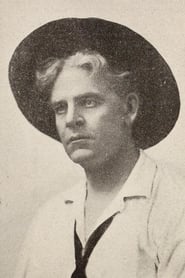
Hal Reid
Director
- Active
- 1912-1912
Films directed 1
About Hal Reid
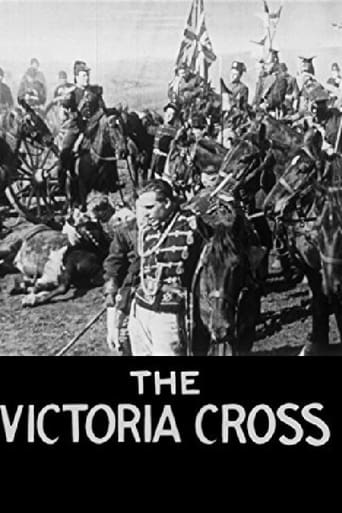
Hal Reid was an American stage performer, writer, and film director whose name appears in the earliest years of American feature filmmaking, including the 1912 silent drama The Victoria Cross. He is best remembered today as a transitional figure between the nineteenth-century theatre world and the emerging motion picture industry, when many Broadway and stock-company artists brought their experience to the screen. Although his screen directing footprint is small in surviving film histories, Reid was active in the broader entertainment culture of the period and is associated with early melodramatic storytelling, patriotic drama, and stage-derived performance traditions. Because early film documentation is often fragmentary, many details of his directorial career are less fully preserved than those of later Hollywood directors, but his credit on The Victoria Cross places him firmly among the pioneers working during cinema's formative years. He is sometimes discussed in relation to the era's adaptation of theatrical material for film, a common practice in 1910s American production. Reid's legacy lies less in a large surviving filmography than in his participation in the industry's silent-era foundations, when many of the conventions of screen narrative were still being established. He should not be confused with later performers or filmmakers of similar names; this Hal Reid is an early twentieth-century figure tied to the silent cinema period.
More about Hal Reid
Behind the camera
Available evidence suggests Reid worked in the prevailing early-1910s melodramatic mode, emphasizing clear moral conflict, theatrical staging, and performance styles rooted in stage realism rather than later cinematic subtlety. His credited work belongs to an era when directors often focused on getting coherent dramatic action onto the screen with straightforward compositions and audience-pleasing emotional clarity. Because only limited documentation survives, a precise stylistic profile cannot be established with confidence, but his work can be placed within the conventions of early feature filmmaking and stage adaptation.
In film history
Hal Reid's cultural impact is primarily historical rather than popularly celebrated: he belongs to the class of early screen artists who helped define how American stage melodrama was translated into film language. Figures like Reid were important because they provided the theatrical experience, writing habits, and performance traditions that the infant film industry relied on before a distinct screen aesthetic fully emerged. Even when a filmmaker's surviving credits are sparse, their work contributes to the larger record of how silent cinema evolved from short reels and stage-derived scenarios into feature-length storytelling. In that sense, Reid's importance lies in his participation in a foundational moment of cinema history, when the industry was still assembling the grammar of narrative filmmaking.
Later reputation
Reid's legacy is that of an early, transitional cinema practitioner whose surviving credit connects him to the silent-era expansion of American film production. While he did not leave behind a large, widely celebrated directorial canon, his presence in early feature filmmaking makes him part of the generation that bridged live theatre and motion pictures. His name is valuable to film historians because it helps document the personnel behind the industry's first decade, a period when many contributors have been obscured by incomplete records. For database purposes, he remains an important archival figure rather than a star-driven household name, illustrating how much of early cinema history rests on fragmentary but significant credits.
Influence
Reid's influence was likely indirect and institutional rather than tied to a clearly documented school of followers. As an early film worker drawn from the theatre world, he contributed to the transfer of stage dramaturgy, blocking, and emotional presentation into the language of silent film. That broader crossover influenced countless directors and performers working in the 1910s, even if Reid himself is not known to have mentored later major figures by name. His chief influence is therefore seen in the larger professional migration that shaped silent-era American filmmaking.
Off screen
Very little reliably documented personal information about Hal Reid survives in standard film-reference sources, and details such as his family background, marriages, and later life are not well established in readily available archival summaries. Like many early cinema figures whose careers were brief or only partially recorded, he is known more through trade-paper mentions and film credits than through a preserved personal biography. As a result, any fuller account of his private life would require deeper archival research in theatre records, city directories, census documents, and period newspapers.
Credits
- Directed the silent feature The Victoria Cross (1912), a documented early film credit
- Worked during the formative silent era when stage talent was frequently adapted for motion pictures
- Represents the crossover from theatrical performance culture to early American cinema
Films
- The Victoria Cross (1912)
Notes
- He is specifically associated in surviving film references with The Victoria Cross (1912).
- He worked during the first decade of American feature-length cinema, when production practices were still being standardized.
- His career reflects the common silent-era pattern of theatre professionals entering film work.
- Documentation about his private life is sparse, which is typical for many early cinema figures whose careers were short or lightly recorded.
- Because of limited surviving records, he is often more important to historians of film personnel than to general audiences.
- He should not be confused with later entertainment figures who share similar names.
- His surviving film association places him among the pioneers of 1910s American screen drama.
Questions
Who was Hal Reid?
Hal Reid was an early American stage and screen figure associated with the silent era, best documented today for directing The Victoria Cross (1912). He belongs to the generation of theatre professionals who helped shape motion pictures in their formative years.
What films is Hal Reid best known for?
He is best known for The Victoria Cross (1912), the film most clearly tied to his directorial record in surviving film references. Because his preserved filmography is very limited, this credit is the principal one associated with him.
When was Hal Reid born and when did he die?
Reliable birth and death details for Hal Reid are not readily established in standard surviving reference summaries. The available information primarily identifies him through his early-1910s film work rather than through a full biographical record.
What awards did Hal Reid win?
No major awards or formal honors are currently documented for Hal Reid in the surviving reference material commonly used for early cinema research. This is not unusual for silent-era figures whose careers were early, brief, or incompletely archived.
What was Hal Reid's directing style?
His directing style can only be inferred from the period in which he worked, but it likely followed the early-1910s melodramatic and stage-influenced approach common in silent cinema. That would have emphasized clear visual storytelling, strong dramatic situations, and theatrical performance conventions.
What was Hal Reid's legacy in film history?
His legacy is as a small but meaningful part of silent cinema's foundational era. He represents the many early filmmakers whose work helped establish the industry even if their names are now known mainly to historians and archivists.