The Victoria Cross
Plot
Ellen Carson volunteers to join Florence Nightingale’s nursing mission during the Crimean War, leaving the safety of home for the hardships of a military medical camp. As she tends the wounded and confronts the realities of war, she becomes personally connected to the human cost of the conflict rather than seeing it as an abstract patriotic struggle. The story moves from the intimate work of caring for soldiers to one of the war’s most famous military moments, the Charge of the Light Brigade, which she witnesses as part of the larger battlefield panorama. Through Ellen’s experience, the film links gallantry, sacrifice, and the moral weight of war, culminating in the symbolic honor suggested by its title, The Victoria Cross.
Director
Hal ReidAbout the Production
This Edison one-reel era production was made during the early years of American narrative cinema, when films were typically short, studio-produced, and mounted with strongly theatrical staging. As with many 1912 Edison releases, detailed production paperwork is scarce, and surviving documentation does not fully identify every location or crew credit beyond the director and cast most commonly associated with the film. The subject matter reflects the period’s frequent use of current-interest history films and patriotic or imperial war stories, with battle scenes likely staged economically using painted backdrops, mounted extras, and carefully arranged compositions rather than large-scale outdoor spectacle. Because surviving prints and production records are limited, precise budget, box office, and exact runtime details are not firmly documented in standard modern references, though it is generally classified as a short silent film.
Historical Background
The Victoria Cross was made in 1912, during the final years of the pre-World War I silent era, when American studios were rapidly professionalizing and short dramatic films remained the standard form. The Crimean War setting would have carried strong associations for contemporary audiences through Victorian memory, military history, and popular culture shaped by Tennyson’s "The Charge of the Light Brigade" and the legend of Florence Nightingale. In 1912, cinema was also beginning to move toward more elaborate narrative construction, but most films were still brief and depended on instantly recognizable historical episodes to hold audience attention. The film therefore belongs to a moment when the motion picture industry was using history not only as entertainment but also as a way to borrow prestige from established cultural narratives of courage, duty, and sacrifice.
Why This Film Matters
Although The Victoria Cross is not among the most famous surviving silent films, it is culturally significant as an example of how early cinema framed women’s wartime labor alongside male military heroism. By centering Ellen Carson’s volunteer service with Florence Nightingale, the film acknowledges caregiving and nursing as part of the moral economy of war, not merely as background to combat. It also demonstrates how early American filmmakers were already drawing on internationally resonant British historical subjects to create emotionally legible dramas for mass audiences. In a broader sense, the film helps document the early development of screen war stories, where the battlefield was often filtered through melodrama, patriotic sentiment, and iconic historical memory rather than realism.
Making Of
The Victoria Cross was produced in the environment of Edison’s early narrative filmmaking, when the studio was balancing theatrical acting styles with the emerging language of screen drama. Hal Reid, who also worked as an actor and dramatist, was a fitting choice for a historical melodrama that depended on clear, legible emotion and strong narrative contrasts between domestic sacrifice and battlefield heroism. The production almost certainly relied on stock theatrical conventions common to the period: posed crowd scenes, simplified military costuming, and visually direct presentation of key story points so they could be understood in a short silent format. Because the film is from 1912, documentation about the shoot, set construction, and day-to-day production process is limited, but it stands as a representative example of how American studios translated famous historical episodes into compact, exportable screen entertainments.
Visual Style
The cinematography of The Victoria Cross would have followed the early 1910s silent style: fixed camera setups, tableau compositions, and clearly arranged blocking to keep action readable in a very short runtime. Historical and battle sequences of this period commonly emphasized full-body performance, strong silhouette against scenery, and staged depth within the frame rather than dynamic camera movement. Because the film’s story includes both nursing scenes and battlefield action, its visual design likely contrasted interior or camp settings with more expansive military tableaux. The aesthetic would have been functional and theatrical, designed to communicate plot points efficiently and to make large historical gestures legible to audiences in single views.
Innovations
The film does not appear to be associated with a specific technical breakthrough, but it is representative of early 1910s competence in staging historical action within a short format. Its likely use of battle reenactment, costuming, and crowd arrangement demonstrates how silent studios could evoke major historical events without modern effects or extended runtimes. The film also shows the early screen industry’s ability to compress a complex historical and emotional narrative into a compact reel, relying on visual shorthand, intertitles, and recognizable iconography. In that sense, its technical significance lies in its efficient narrative economy rather than in any single invention.
Music
As a 1912 silent film, The Victoria Cross had no synchronized recorded soundtrack. It would have been shown with live musical accompaniment that varied by venue, often selected from theater musicians’ cue sheets, general silent-era repertory, or improvised accompaniment matched to the scene’s mood. Military or patriotic music was likely used for the battle material, while softer sentimental passages would have underscored Ellen Carson’s nursing and humanitarian work. No original score is known to survive.
Memorable Scenes
- Ellen Carson volunteering to serve with Florence Nightingale, establishing the film’s blend of humanitarian duty and wartime sacrifice.
- The depiction of nursing the wounded in the Crimean War camp, which contrasts compassion and battlefield suffering.
- The charge of the Light Brigade, the film’s central historical spectacle and most iconic visual moment.
Did You Know?
- The film is part of the Edison Manufacturing Company’s early 1910s output, a period when the studio was making numerous short dramatic subjects for the nickelodeon market.
- Its historical setting in the Crimean War allowed the film to combine battlefield spectacle with a melodramatic nursing narrative centered on Florence Nightingale, a figure widely respected in Victorian and early 20th-century popular culture.
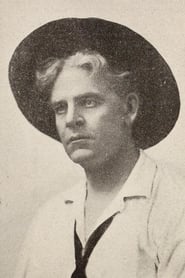
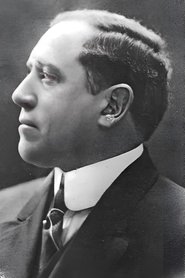
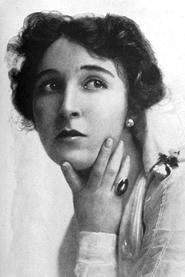
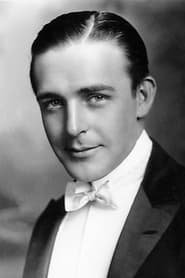
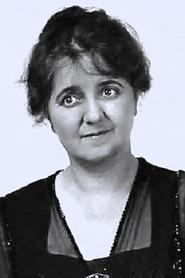
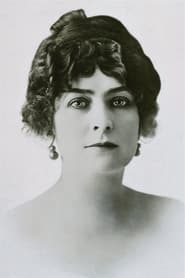
- The cast includes Tefft Johnson, Edith Storey, and Wallace Reid, all of whom were active in early silent-era filmmaking and would later be associated with more widely remembered screen work.
- The film’s title references the Victoria Cross, the highest British military decoration for valor, reinforcing its theme of bravery and sacrifice even though the plot is as much about caregiving as combat.
- The charge of the Light Brigade was already a familiar cultural reference by 1912 through poetry, paintings, and stage melodrama, making it a ready-made set piece for silent cinema audiences.
- Because the film is a century-old silent title, surviving information is fragmentary, and details such as the original intertitles, release advertising, and exact exhibition pattern are not consistently preserved in modern databases.
- Like many Edison shorts of the era, the film likely used concise storytelling and tableau-style staging rather than rapid editing or elaborate camera movement.
- The film reflects how early American studios often dramatized British history and military heroism for domestic audiences, even when the events depicted took place far from the United States.
What Critics Said
Contemporary reviews specific to this title are difficult to reconstruct because many early 1912 short films were reviewed briefly, if at all, and surviving trade coverage is uneven. In the context of its release, it would likely have been received as a competent historical melodrama rather than a landmark artistic achievement, valued for recognizable subject matter and clear action rather than critical innovation. Modern assessment is similarly limited by the scarcity of surviving prints and documentation, so the film is primarily discussed today by historians interested in Edison productions, silent war dramas, and early representations of the Crimean War. Where it is mentioned, it is usually as a lesser-known but instructive example of early 20th-century screen history.
What Audiences Thought
Direct audience records are not extant in a detailed modern form, but a film of this type would have appealed to nickelodeon-era viewers who enjoyed short, emotionally direct historical dramas. The combination of Florence Nightingale, battlefield danger, and the Charge of the Light Brigade provided immediately understandable attractions for audiences familiar with patriotic and melodramatic storytelling. As with many Edison shorts, its appeal likely depended on recognition of famous history, visual clarity, and the emotional payoff of sacrifice and honor. The absence of surviving exhibition data makes precise reception hard to measure, but its production by a major studio suggests it was intended for broad commercial circulation.
Film Connections
Influenced By
- The Charge of the Light Brigade by Alfred, Lord Tennyson
- Victorian-era images of Florence Nightingale and Crimean War nursing
- Stage melodrama and historical pageants of the early 20th century
This Film Influenced
- Later silent war dramas emphasizing battlefield sacrifice and home-front service
- Crimean War screen adaptations and Florence Nightingale dramatizations
You Might Also Like
More War Films
View allFilm Restoration
The survival status is uncertain in standard modern references; the film appears to be a rare early silent title with incomplete archival documentation, and no widely cited restored print is known. It should be treated as a film with limited availability and potentially fragmentary preservation unless a specific archive copy is identified.